
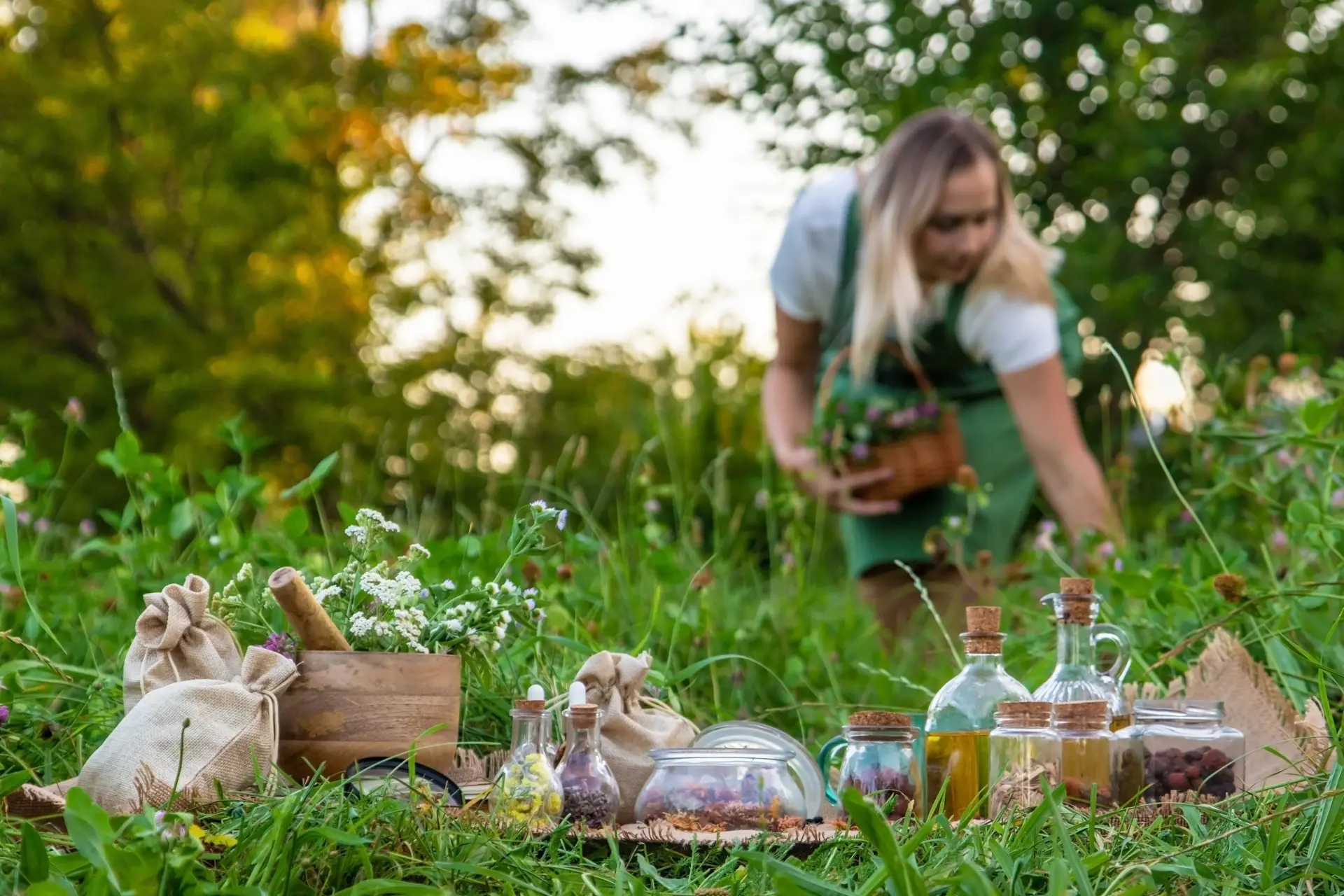
Note: We get commissions for purchases made through links in this article. This guide is for education only. Never eat a wild plant, insect or animal unless you’re certain of its identity and how to prepare it.
Knowing how to find food in the wild is a valuable survival skill, but it’s rarely the first thing that will save your life. Most people who get lost or stranded are found within a few days, and a healthy adult can survive for weeks without food. Water, shelter and signaling for help matter far more in the first hours and days.
That said, if an emergency stretches on, knowing which wild foods are safe and how to prepare them can keep your energy and morale up. This guide covers the survival priorities to handle first, the golden rules of foraging, the easiest wild plants to identify (and their dangerous lookalikes), survival fishing, small game and edible insects.
Survival Priorities: Food Comes Later Than You Think
Survival instructors often teach the “rule of threes.” It’s a rough guide, not a precise science, but it puts food in perspective:
- About 3 minutes without air
- About 3 hours without shelter in harsh conditions
- About 3 days without water
- About 3 weeks without food
So if you’re stranded, work through these priorities in order:
- Stay put and signal for help. Rescuers search where you were last known to be. A whistle, mirror, bright clothing or a satellite messenger like a Garmin inReach can bring help much faster than foraging ever will.
- Get shelter. Protect yourself from cold, wind, rain and sun.
- Find and purify water. Dehydration will stop you long before hunger does.
- Then think about food, and ration whatever you carried first.
One more reason to put water ahead of food: digesting food, especially protein, uses water. If water is scarce, eat sparingly. Our guides on how to purify water with bleach, how to make a DIY water filter and how to purify salt water cover the essentials.
The Golden Rules of Foraging
Misidentifying a wild food can cause severe illness or death. Before you eat anything you find, follow these rules:
- If in doubt, leave it out. Only eat something if you’re 100% certain of what it is.
- Know the lookalikes. Many edible plants have toxic twins. Learn both before you need them.
- Never eat wild mushrooms in a survival situation. Some deadly species look very similar to edible ones, and mushrooms provide few calories anyway.
- Don’t rely on the “universal edibility test.” This old method of testing a plant bit by bit can’t detect many deadly toxins, some of which cause no symptoms for hours. Correct identification is the only safe approach.
- Avoid polluted areas. Plants and fish near roads, farms, mines or industrial runoff can absorb toxins.
- Start small. Even safe wild foods can upset an unaccustomed stomach. Eat a small amount first.
- Cook when you can. Cooking kills parasites and bacteria and makes many plants easier to digest.
- Know the local rules. Foraging, fishing and trapping are regulated in most areas. Practice these skills only where it’s legal, and save the rest for genuine emergencies.
The best preparation is learning before you go. A regional field guide such as the Peterson Field Guide to Edible Wild Plants and a local foraging class will teach you more than any article can.
Edible Wild Plants That Are Easy to Identify
Wild plants are easier to find than animals, but most wild greens are very low in calories. Think of them as a source of vitamins, minerals and morale rather than a full meal. Starchy roots and seeds offer more energy. These widely recognized plants are a good place to start in North America.
Edible Plant #1: Wild Asparagus
Wild asparagus grows along ditches, fence lines and field edges, and it’s easiest to find in spring.
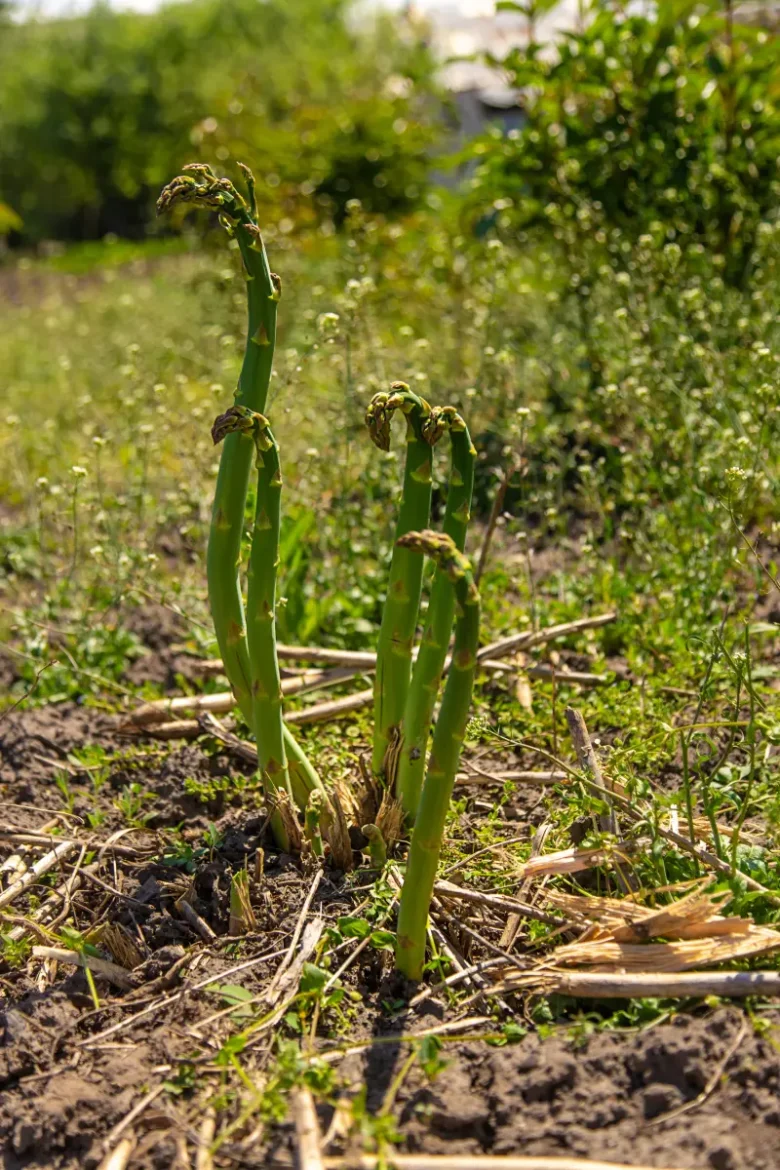
- Identify it: thinner spears than store-bought asparagus, with the same scaly, pointed tips. Look for last year’s tall, feathery, dried stalks, which show where new spears will appear.
- What to eat: only the young spring spears.
- How to prepare: snap the spear where it breaks easily, leaving the tough base. Eat raw or boil for a few minutes.
- Warning: the mature plant and its red berries aren’t edible, so stick to young spears.
Edible Plant #2: Clovers
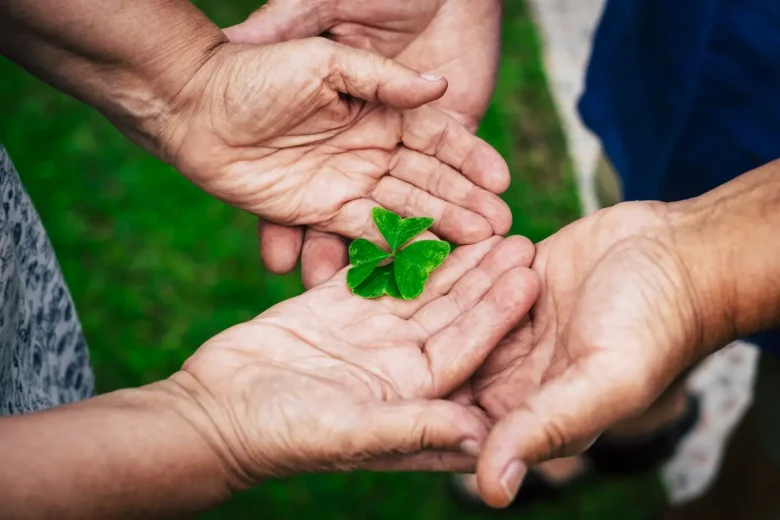
Clover grows in lawns, meadows and trail edges almost everywhere.
- Identify it: usually three rounded leaflets, often with a pale chevron, and round white or pink flower heads.
- What to eat: leaves and flowers.
- How to prepare: eat small amounts raw, as clover can be hard to digest in quantity. Boiling for a few minutes makes it easier on your stomach. The flowers make a mild tea.
- Watch for: avoid wilted or moldy clover. Clover provides some nutrients but very few calories, so don’t count on it as a main food source.
Edible Plant #3: Dandelion
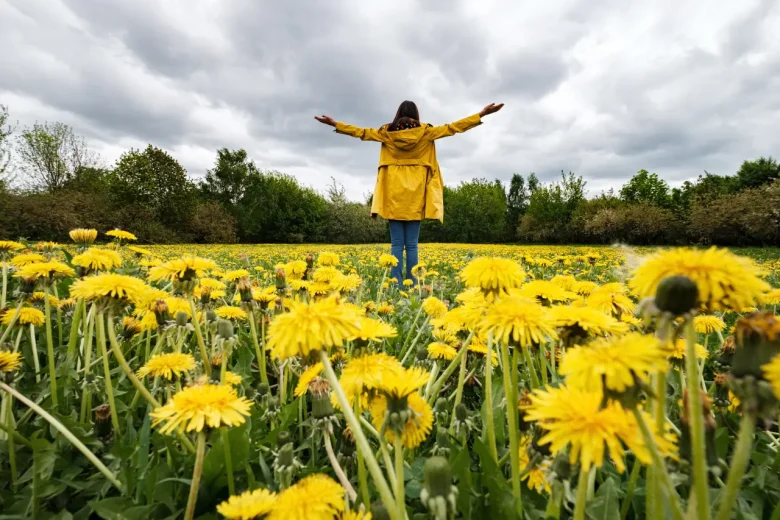
Dandelions are one of the safest and most recognizable wild foods, and where you find one, you’ll usually find plenty more.
- Identify it: a rosette of deeply toothed leaves growing from the ground, with a single yellow flower on a hollow, leafless stem that oozes milky sap. The flower later turns into the familiar white seed head.
- What to eat: the leaves, flowers and roots are all edible. The white seed fluff isn’t food.
- How to prepare: young leaves are the least bitter and can be eaten raw. Older leaves are safe but bitter, so boil them for a few minutes and drain the water. Flowers can be eaten raw, and roots are best boiled or roasted.
- Watch for: lookalikes such as catsear and chicory are also edible. Avoid dandelions from lawns or roadsides that may have been sprayed with herbicides.
Edible Plant #4: Cattail
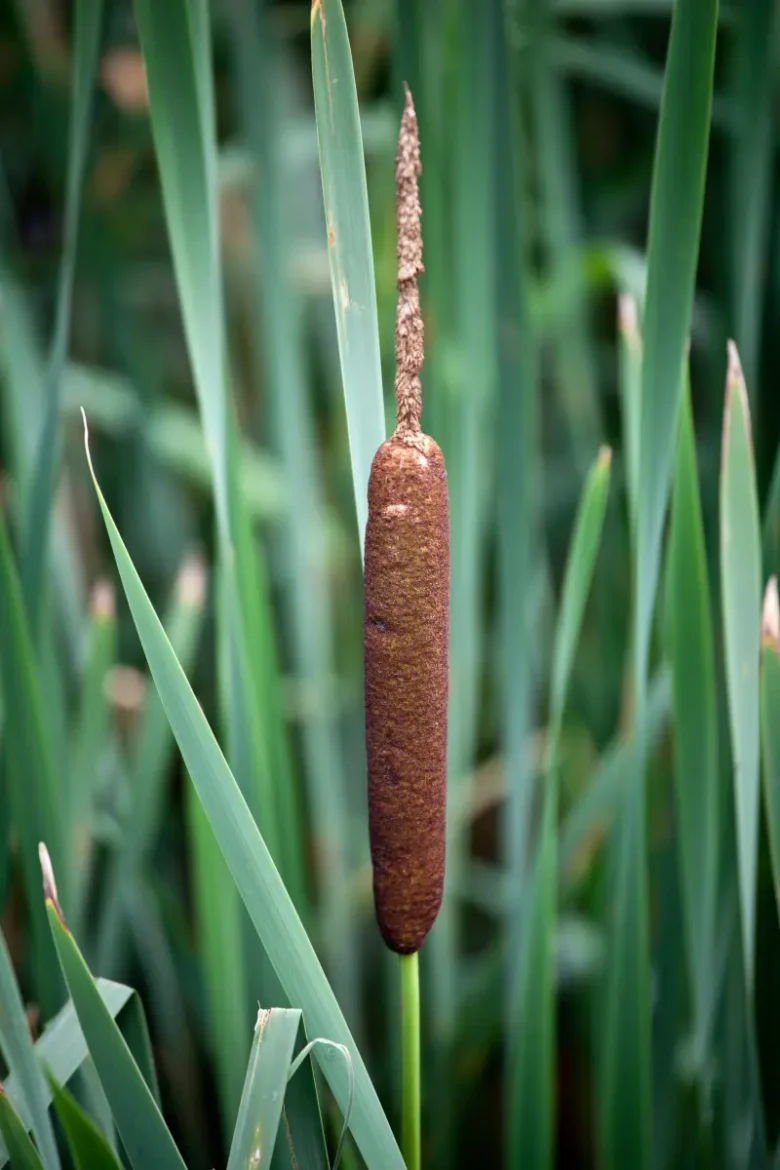
Cattails are sometimes called the supermarket of the swamp because several parts are edible across the seasons. They grow in marshes, pond edges and ditches.
- Identify it: tall, flat, sword-like leaves and the classic brown, cigar-shaped seed head on a stiff stalk.
- What to eat: the starchy rootstock (rhizome) in fall and winter, the tender white core of young shoots in spring, the green flower spikes in early summer and the yellow pollen.
- How to prepare: peel young shoots and eat the white core raw or cooked. Boil or roast flower spikes like corn on the cob. Rhizomes can be roasted, or crushed in water to separate the starch.
- Warning: before the brown heads appear, young cattail shoots can be confused with toxic irises such as yellow flag iris. Only harvest where you can see last year’s brown seed heads on the same plants. Cattails also absorb pollutants, so avoid contaminated water.
- Bonus: the fluffy seed heads make excellent tinder for starting a fire.
Edible Plant #5: Burdock

Burdock is the plant behind those burrs that stick to your clothes, and its large taproot is a valuable source of carbohydrates.
- Identify it: huge, wavy, heart-shaped leaves with a pale, woolly underside, and in its second year, purple thistle-like flowers that become hooked burrs.
- What to eat: mainly the root of first-year plants, plus peeled young flower stalks.
- How to prepare: peel the root and boil it until tender, changing the water if it’s bitter. Young peeled stalks can be boiled too.
- Warning: young burdock leaves can be confused with foxglove and other toxic plants. Never harvest burdock before you’ve positively identified it.
Edible Plant #6: Amaranth
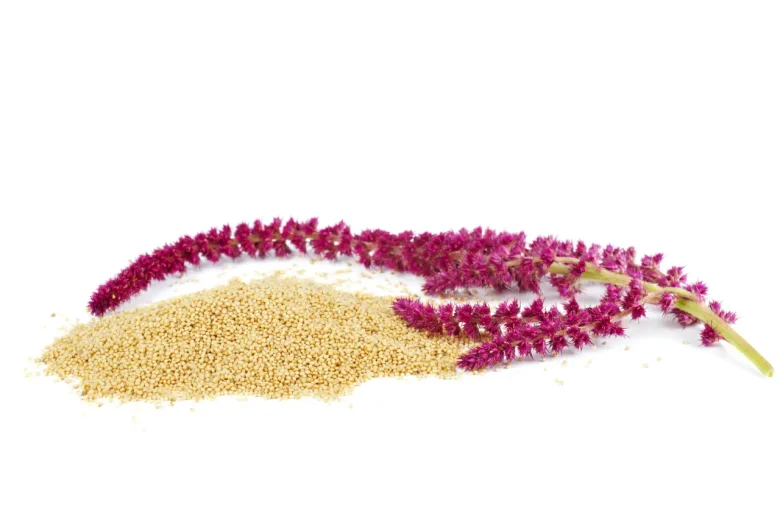
Wild amaranth grows in disturbed ground, fields and gardens, and both its leaves and seeds are nutritious.
- Identify it: oval, alternate leaves, often with reddish stems, and dense green or reddish flower clusters that produce tiny seeds.
- What to eat: young leaves and seeds.
- How to prepare: boil the leaves and discard the water, which reduces naturally occurring oxalates and nitrates. Seeds can be toasted or boiled into porridge.
- Warning: amaranth grown in heavily fertilized soil can contain high nitrate levels, so eat it cooked and in moderation.
Other wild plants worth learning
Once you’re confident with the basics, consider learning wood sorrel, purslane, plantain (the broadleaf weed, not the banana), lamb’s quarters and the pads and fruit of prickly pear cactus. Learn each with an expert or a good field guide, including its lookalikes.
Survival Fishing
Fish are an excellent survival food, offering protein, fat and calories, and they’re often easier to catch than land animals. In a true emergency, these are the most practical methods.
Line and hook
A small fishing kit is one of the lightest, most useful items you can carry. A survival fishing kit with line, small hooks, sinkers and swivels takes up almost no space.
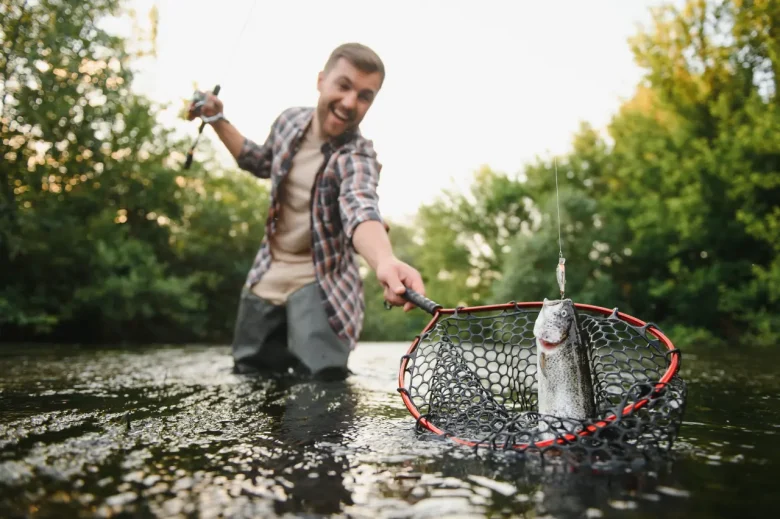
- Bait: dig for earthworms, or use grasshoppers, grubs or bits of fish.
- Where to fish: cast near cover, such as logs, undercut banks, rocks and deep pools, especially at dawn and dusk.
- Passive fishing: tie several baited lines to sturdy branches along the bank and check them regularly. This catches fish while you focus on shelter and water.
- Protect your hands: wrap the line around a stick or wear gloves when pulling it in, since thin line under tension can cut skin.
Spear fishing
A simple spear lets you target fish in shallow water.
- Make it: cut a straight, green sapling, split the tip into three or four prongs, wedge small twigs between them to spread the points, and sharpen each one with a good bushcraft knife.
- Aim low: water bends light, making fish appear higher than they really are. Aim slightly below the fish.
- Be patient: stand still in the shallows and let fish come to you rather than chasing them.
Fish traps
In small streams, you can build a funnel-shaped trap from stones or sticks that guides fish into a pool they struggle to leave. Traps work while you rest, which saves energy.
What about hand fishing?
Hand fishing, or noodling, means grabbing catfish from underwater holes by hand. It’s legal only in some states, and it carries real risks, including drowning, deep cuts and bites from snapping turtles. We don’t recommend it as a survival method.
Preparing fish safely
Gut fish promptly, cook them thoroughly, and avoid fish from polluted water. Eat or preserve your catch quickly, since raw fish spoils fast in warm weather.
Trapping Small Game
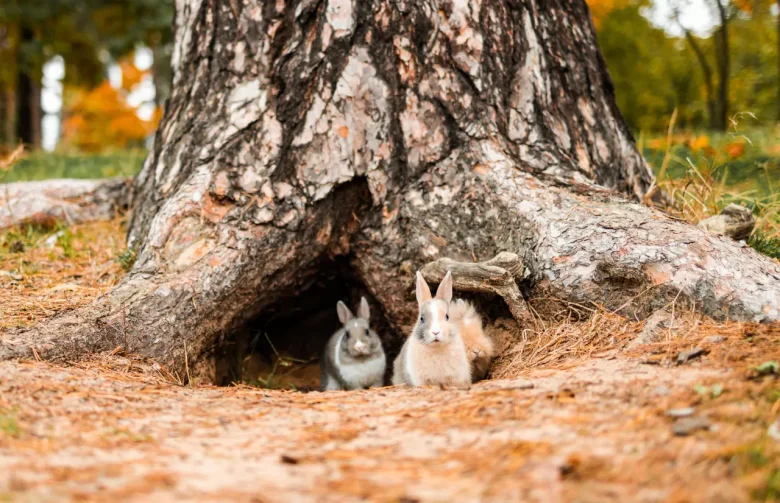
Hunting and trapping land animals takes skill, time and energy, and it’s tightly regulated. In most places, traps and snares are illegal outside licensed trapping seasons, so these methods are for genuine emergencies only.
Focus on small, common animals such as rabbits and squirrels. Trying to trap large game like deer is unrealistic and dangerous in a survival situation.
- Snares: a simple wire or cord loop set along a narrow animal trail, where rabbits and squirrels regularly travel, is the most efficient small-game trap. A brass snare wire kit is light enough for any emergency pack.
- Deadfalls: a heavy rock or log propped up with a trigger that collapses when an animal takes the bait. They take practice to build reliably.
- Placement matters more than design: set traps where you see tracks, droppings and worn trails, and set several to improve your chances.
- Check traps often so animals don’t suffer and your catch isn’t taken by predators.
- Cook all wild meat thoroughly to kill parasites and bacteria, and wear gloves if possible when handling wild rabbits, which can carry tularemia.
One important warning: very lean meat such as rabbit can’t sustain you on its own. Eating mostly lean protein without enough fat or carbohydrates can lead to a condition called protein poisoning, sometimes known as “rabbit starvation.” Combine lean meat with fish, starchy roots, seeds or any fat you can find.
Edible Insects: Overlooked Survival Food
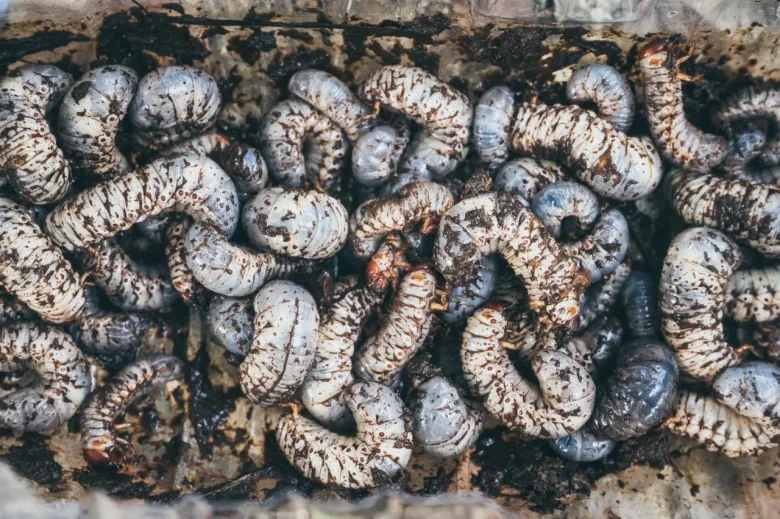
Insects are one of the most abundant and nutritious wild foods. Many are high in protein and fat, and they’re easier to gather than game.
Rules for eating insects
- Always cook them. Roasting or boiling kills parasites and bacteria.
- Avoid brightly colored, hairy or strong-smelling insects, which are often toxic.
- Avoid insects that carry disease, such as flies, mosquitoes and ticks.
- Avoid anything that stings or bites unless you know how to prepare it safely.
- Never eat insects from carrion or dung, since they can carry dangerous bacteria.
Grasshoppers and crickets
These are among the safest and most common edible insects. Catch them in the early morning when they’re cold and sluggish. Remove the legs and wings, then roast or boil them thoroughly, as they can carry parasites when raw.
Beetle grubs
The soft white larvae of many beetles live in rotting logs and under bark. They’re rich in fat and protein. Cook them by roasting or boiling.
Ants
Ant larvae and adults are edible once cooked. Some ants bite or sting, so take care. Collect them from a disturbed nest into a container, then boil or roast them, which also neutralizes their formic acid.
Earthworms
Earthworms are a decent protein source. Soak them in clean water for a while to help purge the soil from their guts, then cook them thoroughly to kill any parasites.
Pack Food So You Don’t Need to Forage
The best survival food is the food you brought with you. Pack more than you think you’ll need, and keep a backup in your emergency kit:
- Emergency ration bars: compact, calorie-dense emergency food bars last for years and need no cooking.
- Fire starter: a ferro rod lets you cook food and boil water even when matches get wet.
- Water treatment: purification tablets or a filter.
- Fishing kit and snare wire: both weigh next to nothing.
- Signaling device: a whistle, mirror or satellite messenger.
Our camping gear checklist covers the rest of a well-stocked pack.
What to Do If You Eat Something Toxic
- Stop eating it immediately and keep a sample if you can, which helps with identification.
- Don’t induce vomiting unless a medical professional tells you to.
- Get help: in the US, call Poison Control at 1-800-222-1222 or visit poison.org. If someone has trouble breathing, seizures or collapses, call 911 or use your emergency beacon.
Frequently Asked Questions
What is the easiest food to find in the wild?
In most of North America, dandelions, clover, cattails and insects such as grasshoppers are among the easiest to find and identify. Fish are often the most rewarding if you’re near water and have a basic fishing kit.
How long can you survive without food?
A healthy adult can usually survive around three weeks without food, though it varies with body fat, temperature and activity. Water is far more urgent, as you can only last about three days without it.
Is the universal edibility test reliable?
No. It can’t detect many deadly plant toxins, some of which cause no symptoms until hours later. Positive identification is the only safe way to forage.
Can you eat wild mushrooms to survive?
It’s not worth the risk. Deadly mushrooms can look almost identical to edible ones, and mushrooms provide very few calories.
Are insects safe to eat?
Many are, including grasshoppers, crickets, beetle grubs and ants, as long as you cook them thoroughly. Avoid brightly colored, hairy, stinging or disease-carrying insects.
Can you live on rabbit meat alone?
No. Rabbit is very lean, and eating mostly lean protein without enough fat or carbohydrates can make you sick. Combine it with other foods whenever possible.
Is it legal to forage, fish and trap?
Rules vary by location. Many parks restrict foraging, fishing usually requires a license, and trapping is tightly regulated. Practice these skills legally, and reserve the rest for genuine emergencies.
Wrap Up
Knowing how to find food in the wild can make a long emergency more survivable, but it’s only one piece of the puzzle. Signal for help, build shelter and secure safe water first. When you do turn to wild food, stick to plants you can identify with total certainty, cook everything you can, and favor high-energy foods like fish, insects, nuts and starchy roots over low-calorie greens.
Best of all, learn these skills before you need them. Practice identifying plants on your hikes, take a foraging class, and always pack extra food and a way to call for help. You’ll find more survival skills in our Outdoor Basics section.
Have you ever foraged or caught your own food in the wild? Share your experience in the comments.
This guide is for educational purposes only. Wild foods can be dangerous if misidentified or improperly prepared. Always follow local laws and consult local experts.

Daniel is a gear freak when it comes to hiking, climbing and camping. He went to REI Outdoor School to meet new people and learn best practices. Don’t even try to argue with him about the latest backpack or ice axe, he tried most of them. Daniel’s dream is to climb Mount Everest.