
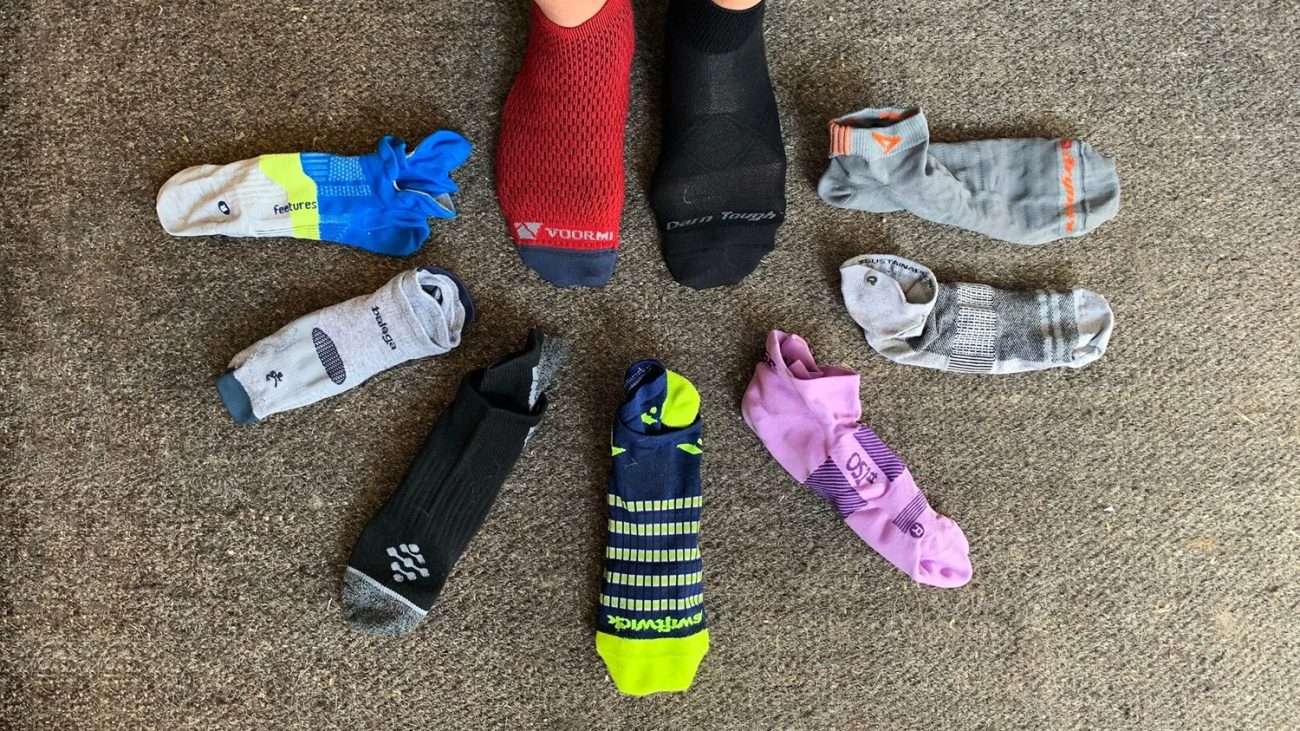
The best running socks are made from moisture-wicking synthetic blends like nylon, polyester, and spandex, fit snugly with a seamless toe to prevent blisters, and match their cushion level to your running. For most runners the top all-rounders are Balega Hidden Comfort and Feetures! High Performance, while Thorlo leads for thick cushioning and Drymax for ultra-thin hot-weather running. Pick your height, cushion, and material based on where and how you run, and your feet will carry you further in comfort.
You trust certain brands for running shoes, and the same is true for running socks. How enjoyable your runs feel comes down in large part to the comfort of your feet, and the right socks add the moisture control, cushioning, and blister protection your shoes alone don’t provide. This guide breaks down seven of the best running socks and the features that separate a great pair from a frustrating one, so you can buy with confidence.
Best Running Socks at a Glance
| Sock | Best for | Cushion | Height |
|---|---|---|---|
| ASICS Kayano Classic Quarter | Marathons and trail running | Light to medium | Quarter |
| Drymax Run Hyper Thin No-Show | Hot-weather jogging and tennis | Minimal (ultra-thin) | No-show |
| Thorlo Running Crew | Rough terrain and long runs | Thick | Crew |
| Saucony Performance No-Show | Marathon training and treadmill | Medium | Low-cut |
| Feetures! High Performance Ultra Light | Long-distance running and cycling | Light | No-show |
| Balega Hidden Comfort Tab | Everyday training and the gym | Plush medium | Low (near no-show) |
| Thirty48 Unisex Running | Jogging and tennis | Medium (targeted) | Low-cut with tab |
Top Running Sock Reviews
Here are the benefits and drawbacks of seven highly rated running socks, so you can match a pair to your running style.
ASICS Kayano Classic Quarter Socks
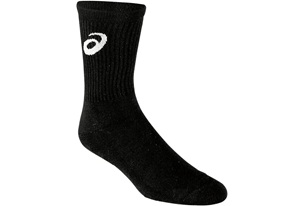 Best use: Marathons and trail running. Key features: NanoGLIDE moisture and friction management, Y-heel gore, articulated arch support, horizontal lace pad, mesh-knit construction, and a seamless toe.
ASICS is a name runners trust for shoes, and its Kayano Classic Quarter socks are built to log long miles without moisture build-up or blisters. The moisture-wicking nylon and elastane blend keeps feet dry even in humid or wet conditions, and the snug fit holds the sock in place over distance.
Because they fit snugly and suit a narrower foot, you may want to size up if you’re between sizes. They also sit just above the ankle, so true no-show fans should look elsewhere, though that extra height helps keep debris out on the trail. If you don’t mind the higher price, these last a long time.
Drymax Run Hyper Thin No-Show Socks
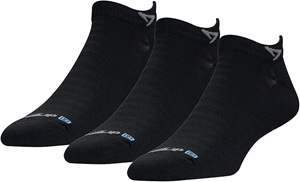 Best use: Hot-weather jogging and tennis. Key features: Drymax odor technology, breathable stripe mesh vents, flat toe seam, Y-heel, anti-slip wedge, vented arch band, and dual-layer fabric.
Drymax markets the Run Hyper Thin No-Show as one of the lightest running socks available, and at roughly the thickness of a dime they live up to it. They’re ideal if you don’t want the bulk of a traditional padded sock.
The dual-layer sweat-removal system keeps feet dry and, together with the vented arch band and mesh vents, discourages the odor and fungal growth that thrive in damp heat. That makes them a strong pick for warm climates and beach running. The main trade-off is durability, since very thin socks tend to wear through faster with heavy use.
Thorlo Running Crew Socks
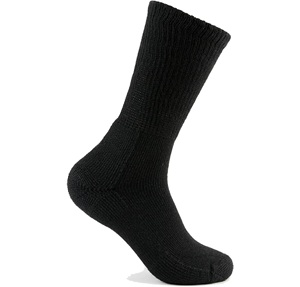 Best use: Rough terrain and long runs. Key features: Acrylic, nylon, and spandex blend, thick cushion padding, moisture-wicking THOR-LON fiber, added toe cushioning, and a flat knit at the instep for arch support.
Made in North Carolina and trusted by American runners for more than thirty years, Thorlo’s thick-cushion running crew socks are built to absorb shock on rough terrain. The heavy padding helps reduce the impact that can cut a long run short.
If you explore uneven trails, this cushioning adds stability without trapping excess heat, thanks to the moisture-wicking fiber. The crew height won’t suit everyone, so decide whether you want a sock that rises higher on the calf. If height isn’t a concern, you get real cushioning at an affordable price.
Saucony Performance No-Show Socks
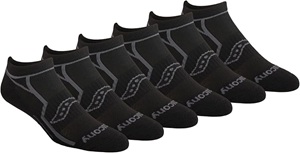 Best use: Marathon training and treadmill running. Key features: Polyester, rubber, and spandex blend, RunDry moisture-wicking yarn, arch compression, cushioned sole, and Airmesh vents.
Sold in value multipacks, Saucony’s Performance No-Show socks deliver cushioned comfort at a low per-pair price, which makes them a favorite for everyday training mileage. The RunDry yarn manages sweat during intense workouts, and the arch compression and breathable knit keep the sock snug so you avoid slipping and chafing.
The one caution is height. Despite the no-show label, they sit a little higher than true no-show socks, so if you only wear invisible socks you may want an alternative. Otherwise they carry your feet comfortably mile after mile.
Feetures! High Performance Ultra Light No-Show Socks
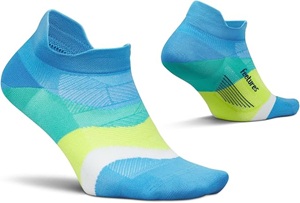 Best use: Long-distance running and cycling. Key features: Polyester, nylon, and Lycra blend, flat-knit construction, iWick moisture-wicking fibers, snug-fit compression, and a seamless toe.
Through rain, sweat, and mud, Feetures! High Performance Ultra Light socks keep performing. The snug Lycra fit hugs your foot so the sock won’t slide or rub against the inside of your shoe, which is exactly how you prevent hot spots and blisters.
The iWick fibers pull moisture away, and the seamless toe means no ridge to irritate your toes or stretch out over time. They’re thin and breathable, so they work well for cycling and golf as well as running. At a moderate price, they’re easy to recommend.
Balega Hidden Comfort Tab Running Socks
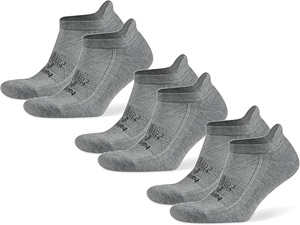 Best use: Everyday training and the gym. Key features: Hand-linked seamless toe, heel tab, elastane fit, reinforced heel and toe, mesh ventilation, DryNamix moisture management, and a plush sole.
Balega’s Hidden Comfort socks are one of the most popular running socks for good reason. The elastane fit hugs the foot and the plush sole offers more cushion than a typical thin running sock, while the small heel tab stops the sock sliding down into your shoe as you move.
You can run without stopping to adjust them. The DryNamix fibers and mesh ventilation keep feet dry and odor-free even on hot days, and with a wide range of color options there’s plenty to match your kit. They sit low on the ankle for a near no-show look, so choose an earlier pick if you prefer more coverage.
Thirty48 Unisex Running Socks
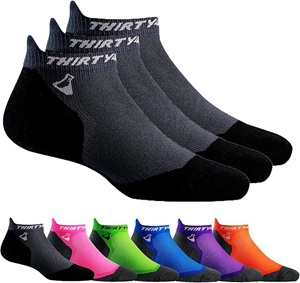 Best use: Jogging and tennis. Key features: COOLMAX fabric, CatalystAF airflow, targeted padding at the metatarsal, Achilles, and heel, a heel tab, padded instep, and elastic arch support.
Thirty48’s unisex running socks place cushioning exactly where your feet take the most impact, helping you push past your goals in comfort. The COOLMAX blend keeps feet cool and dry even on the hottest days.
The heel tab makes them easy to pull on and off, and they come in a range of colors to match your gear. The elastic arch support softens the effect of harsh terrain and slopes. They sit at a moderate price and last well, though a few users note the stitching can wear with very heavy use.
How to Choose the Best Running Socks
Comparing running socks gets easier when you focus on four features: thickness, material, height, and price.
Thickness and Cushion
Thickness is largely about climate and impact. Thin socks keep you light and cool, which runners in warm climates prefer, and they usually offer excellent ventilation. The trade-off is less padding, which can allow some slipping inside the shoe and a higher blister risk.
Thicker socks add support and shock absorption inside a fast-moving shoe, protecting your heels and toes from repeated impact. They suit rough terrain and cold weather, as long as the fabric still breathes.
Material
Every sock on this list uses breathable, moisture-managing fibers such as nylon, spandex, polyester, and Lycra. Avoid cotton and other non-breathable materials, since they hold moisture and lead to odor and blisters. Material also affects how your foot sits in the shoe. A sock that’s too slick or lacks targeted cushioning lets the foot slide, which is a fast path to blisters.
Height
The socks here range from quarter to low-cut, so none rise high on the ankle. If you’re heading off-trail or through very wet terrain, look for taller socks or stronger wicking. Even low-cut socks protect your heels and ankles well thanks to heel tabs and targeted padding.
Price
Some runners pay top dollar for comfort, others watch every cent. Socks may seem like a minor part of your kit, but the wrong pair causes blisters, slipping, and odor, so they’re worth getting right. Match the price to how often you run and the conditions you run in.
Frequently Asked Questions
What are the best socks for running?
The best running socks are moisture-wicking synthetic blends with a snug fit and seamless toe. Balega Hidden Comfort and Feetures! High Performance are excellent all-rounders, Thorlo leads for thick cushioning, and Drymax is best for ultra-thin hot-weather running. The right pick depends on your climate, cushion preference, and height.
Should running socks be thick or thin?
It depends on your running. Thin socks are cooler and lighter for hot weather and faster efforts, while thick socks absorb shock and protect your feet on rough terrain and long or cold runs. Many runners own both and choose by conditions.
Why shouldn’t you run in cotton socks?
Cotton absorbs and holds sweat instead of wicking it away, so it stays wet, rubs, and dramatically raises your blister risk. Synthetic blends like polyester, nylon, and Lycra, or merino wool, pull moisture off the skin and dry faster, keeping feet more comfortable.
How do running socks prevent blisters?
Running socks prevent blisters by wicking away sweat, fitting snugly so they don’t bunch or slide, and using a seamless toe to remove the ridge that commonly causes rubbing. Targeted cushioning and compression keep the foot stable inside the shoe, which reduces friction. For more on treating hot spots, see our guide on how long a blister takes to heal.
Can I use running socks for other sports?
Yes. Many running socks work well for tennis, cycling, golf, gym workouts, and general training, since they share the same needs: moisture management, a snug fit, and cushioning where it counts. Thinner pairs like Feetures! and Drymax are especially versatile across activities.
How often should you replace running socks?
Replace running socks once the cushioning flattens, the fit loosens, or you see thin spots and holes, which is typically every six to twelve months of regular use. Thinner socks wear out faster than thick ones. Worn socks lose their support and wicking, raising your blister risk.
Conclusion
The right running socks make a bigger difference than most runners expect. Start by choosing the height you like, then match thickness to your climate and terrain, pick a breathable moisture-wicking material, and set a budget you’re comfortable with. Thin socks suit hot weather and speed, thick cushioned socks suit cold, rough, long-distance running, and a snug seamless fit protects against blisters either way.
Any of the seven pairs here will keep your feet healthy and happy for many miles. For more foot-care tips on the trail, read our guide on hiking with the right gear. Think we missed a great pair? Let us know in the comments below.


