
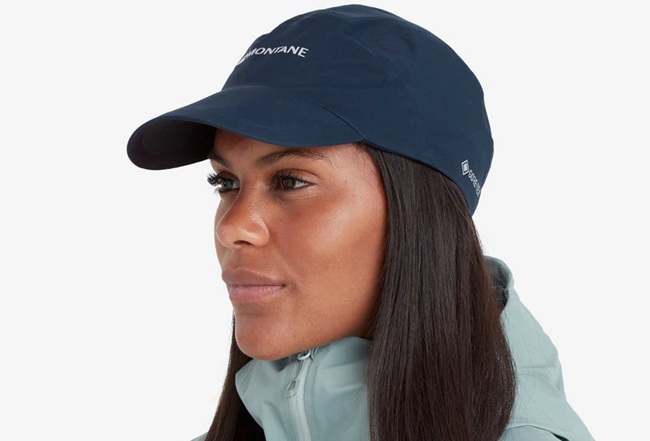
Gore-Tex is a waterproof, windproof, and breathable membrane used in jackets, footwear, and gloves. It keeps rain and wind out while letting sweat vapor escape, so you stay dry from both the weather and your own perspiration. It works thanks to a microporous membrane whose pores are far too small for water droplets to pass through but large enough to let water vapor out. You need it because it keeps you comfortable and protected in conditions where ordinary waterproof gear leaves you clammy, cold, or soaked through.
Picture yourself out hiking when big black rain clouds roll in, and you scramble to pull on your wet-weather gear. Then another hiker strolls past with the Gore-Tex logo on their shell, looking warm and dry. If you’ve ever wondered what Gore-Tex actually is and whether it’s worth the money, this guide walks you through it.
That satisfying feeling of staying warm and dry in a downpour can turn to a sinking one the moment you realize your so-called waterproof coat is leaking. Walk into any outdoor store, or browse online, and the sheer number of options is overwhelming. Before you rush into the wrong purchase, it helps to know what makes a fabric genuinely weatherproof, and that’s where Gore-Tex comes in.
But I’ve Had My Waterproof Jacket for 15 Years
If you’ve got an old waterproof coat stashed at the back of the wardrobe, it’s tempting to shove it in your pack and call it good. Just know that waterproofing technology has moved on a long way, both in performance and, more recently, in the chemistry used to make it. Choosing a high-performance material like Gore-Tex frees you to focus on what you’re doing, whether that’s navigating a tricky mountain pass or cycling to work, instead of worrying about getting cold and wet.
A Brief History of Gore-Tex
The Gore-Tex story starts with W. L. Gore & Associates, the company founded in 1958 by Wilbert “Bill” Gore and his wife Genevieve. The breakthrough came in 1969, when their son Bob Gore (Robert W. Gore) discovered that polytetrafluoroethylene, or PTFE, could be rapidly stretched to form expanded PTFE, known as ePTFE. This created a strong, versatile material riddled with microscopic pores.
See also: Hyvent vs Gore-Tex: Selecting the Best Breathable Outerwear
That expanded PTFE is the breathable yet waterproof membrane at the heart of Gore-Tex. The membrane is sandwiched between other layers of fabric to make rainwear. Interestingly, PTFE is the same material DuPont trademarked as Teflon, best known for non-stick pans. Gore-Tex isn’t limited to clothing either, since ePTFE is used in medical devices such as synthetic grafts, sutures, and implants, as well as in industrial sealants and filters.
How Can a Fabric Be Both Waterproof and Breathable?
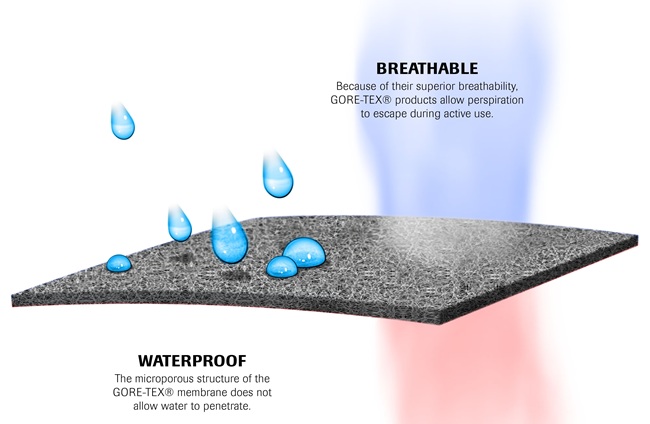
It comes down to the microscopic structure of the membrane. A Gore-Tex membrane contains roughly 9 billion pores per square inch, which look like tiny, irregular holes under a microscope. The key is their size. Each pore is about 20,000 times smaller than a droplet of liquid water, but around 700 times larger than a molecule of water vapor.
That size difference does all the work. Liquid rain cannot force its way through the pores, so water stays out. But the much smaller water-vapor molecules from your sweat pass through easily and escape to the outside.
That’s how a Gore-Tex jacket keeps rain out while letting your perspiration vent, so you stay dry on both sides. You’ll often see this described as waterproof and breathable, sometimes shortened to WP/BR. Many WP/BR fabrics exist today, but Gore-Tex was one of the first and remains the best known.
A Closer Look at How Gore-Tex Works
Gore-Tex has two main parts, a membrane and a laminate. The membrane is breathable, waterproof, and windproof all at once, which is what sets it apart from a cheaper jacket that might be waterproof but neither windproof nor breathable. Here’s what each of those three properties means in practice.
Windproof
Plenty of garments claim to be windproof without actually being so. In strong wind you feel chilled because the moving air strips away the thin layer of warm air your body has built up next to your skin. Gore-Tex blocks wind from passing through entirely, which helps you stay warm as well as dry.
Breathable
Breathability is where Gore-Tex really separates itself from the pack. A lot of waterproof clothing traps sweat inside, so you may stay dry from the rain only to end up soaked in your own perspiration. Gore-Tex lets that sweat vapor pass out through the fabric, keeping you dry from the inside.
Waterproof
Gore-Tex is built so its waterproof performance holds up over time rather than degrading after a few wears. Every Gore-Tex product is tested against demanding standards designed to ensure it protects you in severe weather, and the brand backs many products with its “Guaranteed to Keep You Dry” promise. Since wet clothing chills you fast, dependable waterproofing matters whenever you’re out in bad weather for any length of time.
To put the membrane to work in clothing, footwear, and gloves, it first has to be sealed between an inner lining and an outer fabric. Once that’s done, the result is called the Gore-Tex laminate. Picture a sandwich: the outer and inner fabrics are the two slices of bread, and the Gore-Tex membrane is the filling in the middle.
A Note on the New PFAS-Free Membrane
Here’s an important 2026 update the older guides miss. Traditional ePTFE membranes and the water-repellent treatments used with them relied on PFCs, a group of “forever chemicals” now more broadly known as PFAS, which raise environmental and health concerns. In response, Gore has been rolling out a new membrane made from expanded polyethylene (ePE) rather than ePTFE, which delivers the same waterproof, breathable, windproof performance without PFCs of environmental concern, and it’s lighter and thinner too.
Gore has also moved to PFC-free durable water repellent (DWR) treatments across its range, and in 2025 it extended the PFAS-free approach into its top-tier Gore-Tex Pro line. If sustainability matters to you, look for the newer PFAS-free ePE products.
Types of Gore-Tex Construction
Gore-Tex laminates come in several constructions, each suited to different uses.
2-layer construction attaches the membrane only to the outer fabric, leaving a separate hanging inner lining. This is comfortable and versatile, and jackets and pants built this way pair well with an insulating mid-layer when you need more warmth.
3-layer construction bonds the membrane to both the outer fabric and an inner layer. Because everything is fused into one, it’s more durable and resistant to wear, which makes it the go-to for hard-use mountain gear.
Z-liner construction attaches the membrane to a lightweight fabric that “floats” between the outer and inner layers. It gives designers more freedom, since there’s less need for taped seams, so it suits more fashion-oriented and urban pieces.
Other constructions such as Gore-Tex Paclite and Paclite Plus prioritize low weight and packability for fast-and-light trips, where saving pack space matters most.
Why Seams Matter Too
A fabric can be as waterproof, windproof, and breathable as you like, but if the seams where panels are stitched together aren’t sealed, the garment will still leak through those needle holes. That’s why every genuine Gore-Tex product has Gore-Tex seam tape bonded over every seam, extending the same waterproof protection across every stitch line. It’s one of the quiet details that separates a true waterproof shell from a water-resistant one.
Different Gore-Tex Types for Different Jobs
Gore-Tex has evolved into several product families aimed at different activities. The main waterproof lines are:
- Gore-Tex (standard): affordable, versatile all-rounders that combine a WP/BR membrane with full wind protection, suitable for everyday use and a wide range of activities.
- Gore-Tex Pro: built for extreme, sustained use and designed to manage sweat under hard effort. Ideal for mountain guides, off-piste skiers, and anyone who needs maximum durability and protection.
- Gore-Tex Active: made for fast-paced aerobic pursuits like trail running and cross-country skiing, using Gore’s most breathable, lightweight, and soft construction so you can focus on performance.
You may also see Gore-Tex Infinium, a lifestyle and comfort range that is wind-resistant and breathable but not fully waterproof, so check the label carefully if waterproofing is your priority.
Not Just for Jackets
Gore-Tex isn’t limited to rain jackets. You’ll find it in rain pants, hiking boots, trail shoes, and gloves too, so a serious hiker, cyclist, or all-round outdoor enthusiast can build a complete kit that holds up when the weather turns. If you want to extend the protection to your feet, see our guide on choosing the best Gore-Tex hiking shoes.
Durable Water Repellent (DWR) Helps Too
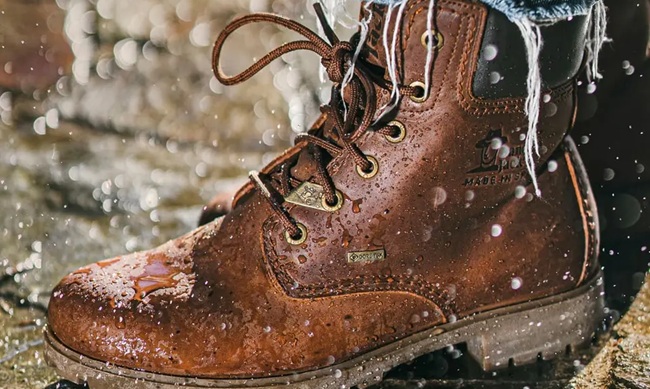
Look closely at a Gore-Tex garment in the rain and you’ll see water bead up and roll off the surface instead of soaking in. That’s down to a treatment called Durable Water Repellent, or DWR, applied to the outermost fabric. The DWR is separate from the Gore-Tex membrane but plays a vital supporting role, stopping the face fabric from “wetting out,” which is when the outer layer becomes saturated.
When the face fabric wets out, the garment feels heavy and clammy and its breathability drops, because the film of water on the surface blocks vapor from escaping. The membrane is still keeping rain out, but you feel damp. A healthy DWR prevents that, and importantly it does not reduce breathability.
A few things wear DWR down. Dirt, body oils, and abrasion from rubbing against rocks or a pack all degrade it, and washing too often can strip it as well, so always follow the care label. As a result, DWR needs cleaning and renewing periodically, typically once a season or more with heavy use, to keep performing.
You can test your DWR easily before a trip. Sprinkle or spray a little water on the fabric and watch what happens. If it beads up and rolls off, your coating is in good shape. If the water soaks in and sits there, it’s time to refresh it. For more, see our article on the benefits of Gore-Tex spray.
How to Refresh Your DWR
Refreshing DWR is a simple job. First, clean the garment with a technical wash designed for waterproofs, since ordinary detergent leaves residues that harm performance. Then reapply a DWR treatment, either a spray-on DWR for targeted coverage or a wash-in DWR added during a rinse cycle.
Most modern treatments are PFC-free, matching the direction Gore itself has taken. Finally, DWR usually needs gentle heat to “set,” so tumble dry on low or use a warm iron with a cloth barrier if the care label allows. Gore generally recommends a warm steam iron to set the finish, but always check your garment’s guidelines first.
Maintaining Your Microclimate
Gore-Tex helps regulate what’s often called your microclimate, meaning the pocket of air right against your skin. That microclimate is what keeps you comfortable, with an ideal that sits around 90°F (about 32°C) and roughly 30% humidity next to the body. Gore-Tex supports that comfort zone in three ways.
Moisture management. You can’t control the weather, but you can adjust the microclimate around your body through what you wear, letting sweat vapor escape so you stay dry and comfortable.
Heat balance. Your body constantly works to hold the right temperature, sweating when hot and shivering when cold. Breathable, wind- and waterproof clothing gives it the best chance to maintain that balance without overheating or chilling.
Weather protection. Your outer layer is the barrier between you and sun, wind, and rain. Layering lets you fine-tune the system so you stay warm and dry whatever the conditions throw at you.
Frequently Asked Questions
Is Gore-Tex 100% waterproof?
Gore-Tex waterproof products are designed to keep liquid water out completely, and Gore backs many of them with a “Guaranteed to Keep You Dry” promise. The membrane itself is waterproof and the seams are taped, though the face fabric can still feel wet if the DWR has worn off, which reduces comfort and breathability rather than letting water through the membrane.
Does Gore-Tex make you sweat?
No, Gore-Tex is designed to let sweat vapor escape, which is what makes it breathable. You can still overheat during very high-effort activity if sweat is produced faster than it can vent, which is why Gore makes more breathable lines like Gore-Tex Active for aerobic use.
How long does a Gore-Tex jacket last?
With proper care, a quality Gore-Tex shell can last many years. The membrane is durable, but the DWR treatment wears off and needs periodic refreshing, and the face fabric can abrade over time. Washing with a technical cleaner and renewing the DWR as needed greatly extends its life.
Is Gore-Tex PFAS-free now?
Gore has introduced a PFAS-free membrane made from expanded polyethylene (ePE) and moved to PFC-free DWR treatments, extending this to its Gore-Tex Pro line in 2025. Not every product on shelves is PFAS-free yet, so check the label if that matters to you.
What’s the difference between Gore-Tex and Gore-Tex Pro?
Standard Gore-Tex is a versatile, affordable all-rounder for everyday and general outdoor use. Gore-Tex Pro is built for extreme, sustained conditions, with greater durability and sweat management, aimed at mountaineers, guides, and serious users who need maximum protection.
Can you wash Gore-Tex?
Yes, and you should. Dirt and oils clog the fabric and hurt both DWR and breathability. Use a technical wash made for waterproof gear rather than regular detergent or fabric softener. Make sure you then reapply DWR and set it with gentle heat, following the care label.
Conclusion
Gore-Tex technology is used across a wide range of brands and price points. So there’s something to fit almost any budget. A good rain shell is an essential piece of kit. There are few nicer feelings than staying warm and dry while the weather does its worst.
It’s worth investing in the best protection you can afford. With the shift to PFAS-free ePE membranes and PFC-free treatment. Today’s Gore-Tex is also a more sustainable choice than the gear gathering dust in your wardrobe.
To round out your setup, check out our guide on how to choose the best Gore-Tex hiking shoes for protection from the ground up.
Got tips on finding great rain gear, or on caring for yours so it lasts more than a season? Share them in the comments below.

Mark Foster loves to push his limits when it comes to survival in the wilderness. He might go for a 30-days adventure without any food or equipment except for a survival kit and a knife. We should mention that his survival kit has 122 items in it, so he know what he is doing. Mark is working on his book to share with the world all his experience gained during those brave adventures.