

Apollo dirt bikes are a good choice for kids, beginners, and budget-minded riders who want an affordable, functional off-road bike for recreational trail and casual track use. They cost roughly a third to a half of comparable Japanese models and perform well for learning, but they are less refined, use lower-grade components, and won’t hold up to hard, sustained racing the way a Honda, Yamaha, or KTM will. For a first bike, they offer genuine value. For serious or long-term riding, a premium brand is the better investment.
I’ve spent more time than I’d like to admit researching budget dirt bikes, and one brand keeps coming up over and over, which is Apollo. If you’ve landed here, you’re probably wondering whether these affordable Chinese-made bikes are worth your money or just a pile of cheap parts waiting to fall apart. That’s a fair question, and this guide gives you a straight answer.
Apollo is made by Zhejiang Apollo, a manufacturer founded in 2003 in Wuyi, China. By the company’s own account it has grown from a small operation into a maker producing on the order of 100,000 motorcycles a year, sold across 75 or more countries. In this guide I’ll break down Apollo’s current dirt bike lineup, the newer electric models, the real pros and cons based on what owners actually experience, and how they stack up against the major Japanese and European brands.
Apollo Dirt Bike Models and Features
First, let me walk you through what Apollo actually offers. The company has a wide range of off-road bikes organized by size and engine configuration, and it now runs several sub-brands: the standard Apollo line, the higher-end RFZ and RXF performance ranges, and the newer RFN electric brand. Here’s how the gas-powered lineup breaks down.
Entry-Level Bikes (Kids)
The DB-21 and DB-25 are Apollo’s smallest dirt bikes, both running 70cc engines. The DB-21 has a semi-automatic 4-speed transmission, meaning no clutch lever, just a foot shifter, while the DB-25 is fully automatic. Seat height on both is around 25 inches, and they come with removable training wheels, which is a smart touch for the youngest riders. These are designed for kids roughly 5 to 9 years old. You won’t get blazing speed here, but that’s exactly the point.
Midsize Bikes
Step up to the 110cc range, with models like the DB-34 and DB-X4, for a bit more power and a taller frame suited to larger kids and smaller adults. Seat heights land around 27 to 28 inches. The 125cc DB-007 is another option in this category, with roughly a 32-inch seat and a manual transmission. Both sizes work well as intermediate bikes for riders who’ve outgrown the 70cc machines but aren’t ready for full-size.
Larger Bikes
Once you’re ready for more speed and sharper handling, Apollo has plenty of 125cc options such as the RFZ DB X-14, X-15, X-16, X-18, X-19, and the Z20 Max. Seat heights run around 33 inches on these, with both semi-automatic and manual transmissions depending on the model. Prices generally range from roughly $1,250 on sale to around $2,000 or more. At the top of the lineup, the Thunder 250cc models bring the most power, typically priced around $2,150 to $2,250. Pricing shifts with model year, sales, and retailer, so treat these as ballpark figures and confirm the current price before buying.
Also read: Best Tandem Bike
Apollo’s Electric Dirt Bikes (RFN Brand)
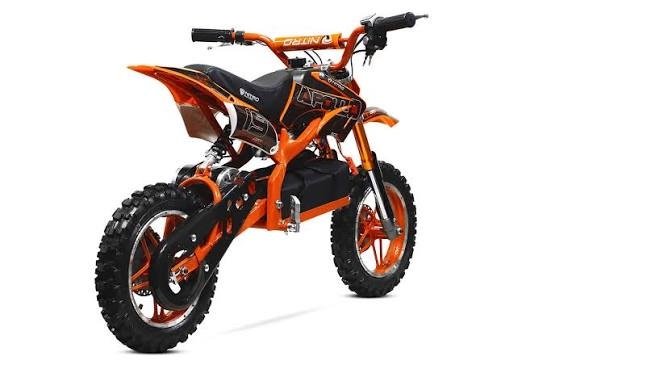
Apollo launched the RFN brand specifically for electric off-road bikes, and it has been expanding the range aggressively. At EICMA 2025 in Milan, the company showcased what it billed as the world’s first full matrix of mass-production electric dirt bikes, covering every rider stage from young kids to adults. That “world’s first” line is Apollo’s own marketing claim rather than an independently verified fact, but the lineup itself is real and broad.
The RFN Warrior family includes a Kids Series built for the youngest riders with limited power output and built-in safety features, a Youth Series for more experienced young riders stepping up in skill, and adult-oriented models for serious off-road use. If you’re a parent concerned about noise, fumes, or the complexity of a gas engine for a young child, the electric Apollo models are worth a serious look, since they’re quieter, have no fuel to manage, and often let you limit speed for beginners.
Key Features Across the Lineup
Some standout features on Apollo dirt bikes include hydraulic disc brakes for solid stopping power on the larger models, while the 70cc bikes use drum brakes, along with knobby tires for traction and adjustable suspension to smooth out bumps. The frames use steel construction, which is durable but adds weight compared with the aluminum frames on premium bikes. Styling and graphics on the newer models are genuinely sharp too.
One thing worth knowing is that most Apollo bikes bought online arrive requiring some assembly. The level varies, since some come around 90% built and just need the handlebars and front wheel attached, while others need more work. If you’re not mechanically inclined, factor in the cost of having a dealer or mechanic finish the assembly for you, usually somewhere around $100 to $150. I’ll come back to this in the buying section.
In short, Apollo offers a dirt bike for every size rider and skill level, in both gas and electric configurations. But how do they actually perform once you’re on the trail? Let me get into that.
Also read: Best Portable Solar Chargers
The Pros of Apollo Dirt Bikes
There are solid reasons Apollo dirt bikes have become popular, especially for beginners and kids. Here’s what I think they get right.
Affordable Pricing
The main appeal of Apollo is the price, and I won’t pretend otherwise. These bikes cost significantly less than the major Japanese brands. You shouldn’t expect premium racing performance, but Apollos deliver real value for what you pay, which is what gets a lot of new riders into the sport in the first place.
Reliable and Durable for the Price
Considering the lower prices, Apollo bikes are surprisingly solid. Owners report getting years of use without major issues when they keep up with maintenance, and components like tires, brakes, and suspension hold up reasonably well to typical trail and track use. The steel frames take abuse well too. They aren’t as bulletproof as the aluminum frames on pricier bikes, but they handle drops and rough riding better than most people expect from a budget bike.
Good Power for the Class
Apollo dirt bikes provide ample power for the average trail or track rider. The 70cc bikes have enough pep for kids and beginners, and the 125cc to 250cc engines deliver solid acceleration and reasonable top speeds for intermediate riders. For recreational use, they offer more than enough speed for fun trail days and casual track sessions.
Smooth Suspension
Suspension quality is another Apollo win. The forks and shocks absorb bumps and small jumps impressively well for the price, so you can roll through whoops or launch off modest jumps without jarring impacts. The components are better than you’d expect at this price point, though they do have limits, which I’ll cover in the cons.
Easy Maintenance
Working on Apollo bikes is straightforward for the average mechanically-inclined owner. The layout is uncomplicated, so checking the air filter, changing the oil, and adjusting the chain are simple jobs, and parts tend to be standard sizes that are easy to source. Compare that to performance-focused models that can require specialized tools and expertise. Apollos aren’t as refined in their engineering, but you can handle your own maintenance and save money doing it.
Great for New Riders
With mellow powerbands, manageable weight, and budget price tags, Apollo dirt bikes are a great way to learn. New riders can build skills without feeling overwhelmed, and the smooth, forgiving throttle response helps build confidence rather than scaring beginners off.
Also read: Can You Hike in Jeans?
The Cons of Apollo Dirt Bikes
Apollos provide surprising quality for the money, but they aren’t without real drawbacks. I want to be upfront about these, because going in with clear expectations is the best way to avoid disappointment.
Potential Quality Control Issues
This is probably the most common complaint in owner forums. Fit and finish on some Apollos leaves room for improvement. Owners report fasteners loosening prematurely, plastic pieces cracking, and the occasional small oil leak, and two identical bikes from the same batch can sometimes feel noticeably different in build quality. These issues aren’t universal, but they happen more often than with Japanese brands. My advice is to inspect every bolt and connection thoroughly when your bike arrives, especially if you assembled it yourself, and do a careful shake-down ride before hitting the trails hard. A good initial inspection and tightening session goes a long way.
Less Refined Overall
In general, Apollos have a less refined, less precise feel than premium bikes. Throttle response, shifting, braking, and handling don’t feel as dialed-in, and vibration is more pronounced. This comes down to cheaper materials and wider manufacturing tolerances.
Shorter Service Life
The cheaper components and materials tend to shorten the lifespan compared with premium models. You can absolutely get years of use from an Apollo with proper maintenance, but heavy abuse takes a toll faster, so expect to replace wear items like tires, brake pads, and bearings sooner than you would on a performance-oriented bike.
Less Capable on the Track
While they’re great for trails and casual track days, Apollo dirt bikes show their limits at higher speeds on a motocross track. The suspension gets overwhelmed on big jumps at speed, and the chassis and engine limit how aggressively you can rail corners and clear tabletops. These are recreational bikes, not race machines.
Also read: Best Fixed Gear Bikes
How Apollo Compares to the Competition
To give you real perspective, here’s how Apollo models compare with the most relevant competing bikes from major manufacturers. I’ve matched bikes that actually compete for the same buyers rather than pitting a budget trail bike against a purpose-built race machine. All competitor prices below are approximate MSRPs that vary by model year, region, and dealer, so confirm current pricing before you buy.
| Bike | Type | Approx. price | Best for |
|---|---|---|---|
| Apollo 125cc (RFZ/DB) | Budget 4-stroke trail | ~$1,250–$2,000 | Beginners, kids, recreation |
| Honda CRF125F | Premium 4-stroke trail | ~$3,600 (Big Wheel ~$4,000) | Long-term beginner/trail |
| Yamaha TT-R125LE | Premium 4-stroke trail | ~$3,600 | Long-term beginner/trail |
| Kawasaki KLX140R | Premium 4-stroke trail | ~$3,200 and up | Youth/beginner, dealer support |
| KTM 150 SX | 2-stroke motocross race | ~$8,400+ | Competition racing |
Apollo vs. Honda CRF125F
The Honda CRF125F is probably the most direct competitor to Apollo’s 125cc bikes. It typically sells for roughly two to three times the price of a comparable Apollo 125cc, with the Big Wheel variant costing more still. For that premium you get Honda’s well-earned reliability, fuel injection, electric start, and fit and finish that budget brands can’t match. If budget is your main constraint, though, an Apollo gets you surprisingly close to the Honda’s recreational trail performance for a fraction of the cost. The Honda is the better bike in every measurable way. The real question is whether “better” is worth well over a thousand dollars more to you. For a kid’s first bike they’ll outgrow in two seasons, I’d lean Apollo. For an adult who plans to ride regularly for years, I’d lean Honda.
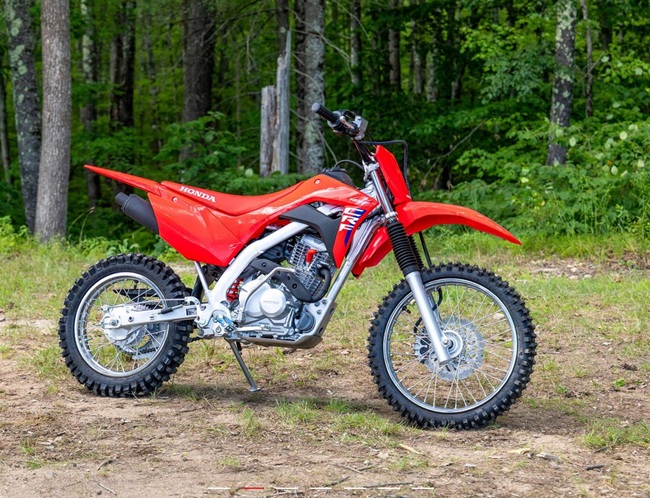
Apollo vs. Yamaha TT-R125LE
Yamaha’s TT-R125LE is another natural comparison, priced in the same premium range as the Honda. Like the Honda, it’s a beginner-friendly trail bike with electric start, smooth power delivery, and excellent build quality and reliability. The price gap versus Apollo is similar, and so is my take: if you’re buying for the long haul, the Yamaha is worth the investment, but if you need something affordable now and can accept the tradeoffs, Apollo fills that role. One note to avoid confusion: Yamaha’s YZ125X is a much pricier two-stroke cross-country race bike, built for a completely different purpose, so it isn’t a fair comparison to an Apollo 125cc four-stroke trail bike. The huge price gap just illustrates how wide the dirt bike spectrum is.
Apollo vs. Kawasaki KLX140R
Kawasaki’s KLX140R is the brand’s entry-level off-road range and competes directly with Apollo in the beginner and youth segment. It costs substantially more than an Apollo, and for that you get better build quality, a proven engine, and access to Kawasaki’s dealer network. The Apollo costs far less and still gives you a functional, enjoyable bike for recreational riding, while the Kawasaki will last longer and feel more refined. Your budget and intended use should guide the decision.
Apollo vs. KTM 150 SX
I’m including this one to show the extreme end of the spectrum. The KTM 150 SX is a full-blown two-stroke motocross race bike with fuel injection, WP suspension, Brembo hydraulics, and electric start, and it costs several times the price of an Apollo. An Apollo 125cc simply cannot touch its performance, but that’s like comparing a reliable commuter car to a track-day race car. They exist for different purposes. The KTM comparison is useful mainly to show that Apollo serves riders who want affordable fun, not podium finishes.
Also read: Best Survival Lighter Guide
Street Legality and Registration
This catches a lot of first-time buyers off guard, so let me be direct. Apollo dirt bikes are not street legal. You cannot register them for road use, ride them on public roads, or use them as commuter vehicles, because they are off-road machines only. This applies to virtually all Apollo models. If you need something street legal, look at dual-sport motorcycles such as the Honda CRF300L, Kawasaki KLX300, or Yamaha WR250R. Don’t buy an Apollo expecting to ride it to work, because you won’t be able to.
Safety Gear: Don’t Skip This
Since this guide is aimed heavily at beginners, kids, and new riders, I’d be irresponsible not to stress safety equipment. No matter how affordable your bike is, proper gear is not optional, and a good helmet can save a life. At a minimum you should have a DOT-certified (ideally also ECE-rated) motocross helmet, goggles, gloves, over-the-ankle riding boots, and long pants. Ideally, add a chest protector, knee guards, and elbow pads.
- DOT-certified motocross helmet: the single most important piece, sized correctly for the rider
- Motocross goggles: protect the eyes from roost, dust, and debris
- Off-road riding gloves: grip and hand protection
- Motocross boots: over-the-ankle support is essential
- Chest protector and knee guards: strongly recommended, especially for kids
Frequently Asked Questions
Are Apollo dirt bikes reliable?
For their price, yes, they are more reliable than most people expect. With regular maintenance, owners commonly get years of recreational use. They aren’t as durable as Japanese brands and can have occasional quality-control quirks, so a thorough inspection on arrival and ongoing upkeep matter a lot.
Are Apollo dirt bikes good for beginners?
Yes. Their mellow power delivery, manageable weight, forgiving throttle, and low price make them one of the easier and more affordable ways to learn to ride. That’s where Apollo is at its best.
Are Apollo dirt bikes street legal?
No. Apollo dirt bikes are off-road only and cannot be registered or ridden on public roads. For road-legal riding, you need a dual-sport motorcycle such as a Honda CRF300L, Kawasaki KLX300, or Yamaha WR250R.
How much do Apollo dirt bikes cost?
Gas models generally run from around $1,250 on sale up to roughly $2,250 for the top 250cc bikes, which is typically a third to a half of what comparable Japanese 125cc trail bikes cost. Prices change with model year and retailer, so check the current price before buying.
Where are Apollo dirt bikes made?
Apollo is manufactured by Zhejiang Apollo in Wuyi, China, a company founded in 2003 that produces off-road bikes under the Apollo, RFZ, RXF, and RFN (electric) brands.
Do Apollo dirt bikes come assembled?
Most bikes bought online arrive partially assembled, often around 90% complete, needing items like the handlebars and front wheel fitted. If you’re not comfortable doing it yourself, budget roughly $100 to $150 for a shop to finish and safety-check the assembly.
Final Verdict: Are Apollo Dirt Bikes Worth It?
Here’s how I see it after researching and riding these bikes. For kids, beginners, and anyone on a tight budget looking to get into dirt biking, Apollos are a genuinely good option. The pricing lets almost anyone start riding, the bikes offer enough performance for casual trail and track use, and the new RFN electric lineup makes a lot of sense for young riders and noise-conscious neighborhoods.
More experienced riders will likely feel limited fairly quickly, since the cheaper components don’t hold up to heavy, sustained use the way a Honda or Yamaha would, and Apollos depreciate fast if resale value matters to you. But for someone who wants a bike to learn on, ride recreationally, or give their kid a shot at a sport they might fall in love with, the discount over the major brands is real and meaningful.
Just go in with the right expectations, inspect your bike thoroughly when it arrives, invest in proper safety gear, and keep up with basic maintenance. If that sounds like your situation, I think you’ll be happy with an Apollo. And if you eventually fall for dirt biking and want to upgrade to a Honda, Yamaha, or KTM down the road, the Apollo will have done its job perfectly as your first step into the sport.
Ridden an Apollo yourself? Share your experience in the comments below so other buyers can learn from it.

Mark Foster loves to push his limits when it comes to survival in the wilderness. He might go for a 30-days adventure without any food or equipment except for a survival kit and a knife. We should mention that his survival kit has 122 items in it, so he know what he is doing. Mark is working on his book to share with the world all his experience gained during those brave adventures.