
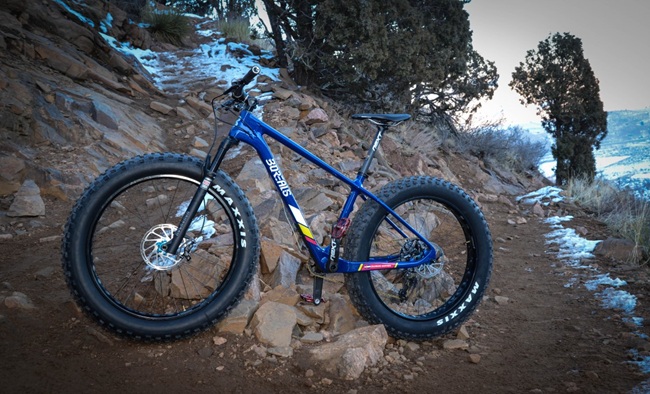
The best fat tire bike for most riders in 2026 is the Mongoose Malus. All thanks to its rare mix of value, steel durability. With a universal frame that fits riders from 5’4″ to 6’2″. For bigger riders the Mongoose Argus is the stronger pick, while the Max4out is the best budget and smaller-rider option. All of them run the 26-inch wheels and 4-inch tires. That will let a fat bike float over sand, snow, and mud.
Fat bikes went from a rare sight to a trail staple in just a few short years. A decade ago you might have spotted one every few months. Now they roll through neighborhoods, beaches, snow tracks, and adventure races everywhere, and for good reason. Those oversized tires turn rough, unmaintained ground into something genuinely fun to ride.
If you spend time outdoors, you’ve probably noticed it too. The extra rubber on the ground means more grip and more float. Overgrowth, loose sand, sticks, mud, gravel, and snow. Are all the stuff that stops a regular mountain bike cold, and a fat tire bike shrugs them off. They also just look the part, with a planted, rugged, ready-for-anything stance.
Below are the best fat tire mountain bikes worth buying this year, plus a buying guide so you can match the right bike to the way you actually ride. Let’s get into it.
Disclosure: We earn commissions on purchases made through links in this article, at no extra cost to you.
Best Fat Tire Bikes at a Glance
| Bike | Best For | Key Specs | |
|---|---|---|---|
| Mongoose Malus | Best Overall Value | 26″ wheels · 4″ tires · steel frame · 7-speed · fits 5’4″–6’2″ | Check price on Amazon |
| Mongoose Dolomite | Editor’s Choice (Classic) | 26″ wheels · 4″ tires · steel frame · 7-speed (aluminum “ALX” 16-speed available) | Check price on Amazon |
| Mongoose Argus ST / Trail | Best for Big & Tall Riders | 26″ wheels · 4″ tires · steel or aluminum frame · Shimano drivetrain | Check price on Amazon |
| Max4out Fat Tire Bike | Best Budget / Smaller Riders | 26″ wheels · 4″ tires · lighter build · good for shorter riders | Check price on Amazon |
The Best Fat Bikes Adventurers Love
Here’s a closer look at why each bike made the list, including the good, the not-so-good, and who each one actually suits. Stock on fat bikes still comes and goes through the year, but every pick below is a solid, proven choice you won’t regret.
 Mongoose Malus: Best Overall Value
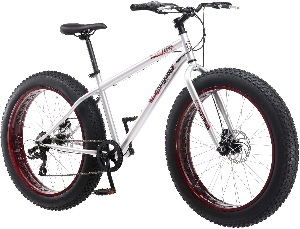
If you want one bike that nails the balance of price, durability, and ride quality, the Mongoose Malus is the easy pick this year. It’s the workhorse a lot of riders log thousands of miles on without drama.
You get the full fat-bike experience, with 26-inch wheels wrapped in chunky 4-inch knobby tires that grip sand, snow, mud, and trail with confidence. The steel frame is heavy-duty and built to take abuse, and the 7-speed drivetrain with a Shimano rear derailleur gives you enough range for hills without overcomplicating things. Front and rear disc brakes handle stopping in all conditions.
The standout feature is the universal-size frame, which comfortably fits riders from about 5’4″ to 6’2″. That makes it genuinely shareable between household members, or a safe bet if you’re buying without a test ride first. It tips the scales around 43 pounds, which is normal for a steel fat bike at this price, so expect a little extra effort hauling it around.
For the money, the value here is hard to beat. If you’re not sure where to start, start here.

 Mongoose Dolomite: Editor’s Choice (Classic)
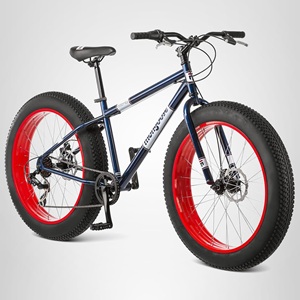
The Mongoose Dolomite is the bike that put affordable fat bikes on the map, and it’s still one of the most popular out there. Sturdy, tough, and dependable, it’s the classic choice for a reason.
It runs the same go-anywhere setup, with 26-inch wheels and 4-inch all-terrain tires, and the steel frame makes it a tank on the trail. Whether it’s sand, snow, mud, dirt, or grass, those tires keep you moving forward. It’s not effortless, since no fat bike is, but the Dolomite makes rough ground feel manageable, and it doubles nicely as a comfortable everyday cruiser.
The current model uses a 7-speed twist-shifter drivetrain and mechanical disc brakes, with a threadless headset you can adjust for your height. It’s officially sized for riders roughly 5’6″ to 6′ tall and rated to handle heavier riders too. As a steel bike it’s on the hefty side, generally in the mid-40-pound range, so keep that in mind if weight matters to you.
Worth knowing: Mongoose now also sells a Dolomite ALX version with a lightweight aluminum frame and a 16-speed drivetrain, available in multiple frame sizes. It comes in noticeably lighter, with some riders reporting the small frame around 36 pounds, and it’s a smart upgrade if you want the Dolomite look with less weight.
Mongoose Argus ST / Trail: Best for Big & Tall Riders
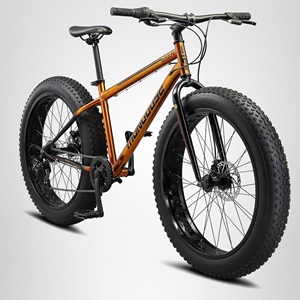
Taller and heavier riders often need more bike than an average frame can offer, and the Mongoose Argus is built for exactly that. The large-frame ST version suits riders up to and beyond 6’2″, and it handles bigger loads with more stability than entry-level models.
The Argus ST pairs a durable steel hardtail frame and rigid fork with lightweight drilled aluminum rims and 4-inch knobby tires, which makes a great all-terrain, all-season package. It uses a Shimano drivetrain with reliable mechanical disc brakes, so shifting and stopping stay smooth even on loose sand and snow.
There’s also an Argus Trail variant with an aluminum frame and a wider 16-speed Shimano gear range, plus smaller wheel sizes (20″ and 24″) for kids and teens. The Argus line generally costs a bit more than the Dolomite or Malus, but if you’re a bigger rider, or just want a more capable build, the extra spend pays off in how it handles.
 Max4out Fat Tire Bike: Best Budget / Smaller Riders
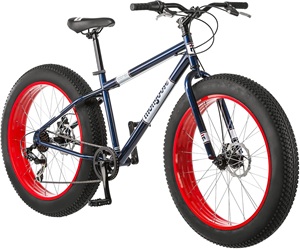
If you want to spend less, or you’re a shorter, lighter rider, the Max4out Fat Tire Mountain Bike is a sensible entry point. It’s lighter than most steel fat bikes and has a more compact, approachable build.
You still get the essentials that make a fat bike worth owning, including 26-inch wheels, 4-inch tires, and solid stability across terrain types. Pedaling feels a touch easier than on heavier rivals, which is a nice bonus on longer rides. It won’t deliver any “wow” moments, since the shifting can feel a little sluggish and the overall finish reflects the budget price, but there are no real deal-breakers either.
For beginners, casual riders, or anyone testing the waters before committing to a pricier setup, it does the job and looks good doing it.
How to Choose the Best Fat Tire Bike
Experienced riders tend to look at the same handful of things before buying. Here’s what actually matters so you avoid the common mistakes.
Tire Width
Most regular bikes run tires a little over 2 inches wide. Fat bikes start around 4 inches and go up to roughly 5. That extra width does two things, since it changes the look dramatically and it changes the ride.
Wider tires spread your weight over a larger contact patch, which means more grip and more float over soft ground. That’s why they cruise through snow, sand, and mud where skinny tires sink and slip. It also makes fat bikes surprisingly beginner-friendly, because the extra footprint adds balance and stability that newer riders appreciate. For most riders, 4-inch tires hit the sweet spot of capability without going overboard, while 5-inch tires are best reserved for serious deep-snow and soft-sand specialists.
Frame Material
The frame is the backbone of the bike, and it drives both durability and weight.
- Steel: Strong, tough, and forgiving, but heavier. Most budget and mid-range fat bikes, including the Dolomite, Malus, and Argus ST, use steel.
- Aluminum: Lighter and still durable, which makes a real difference on long rides and when lifting the bike. Worth seeking out if weight is a priority, as with the Dolomite ALX and Argus Trail.
- Titanium or carbon fiber: Premium options on higher-end fat bikes. Excellent strength-to-weight, but a big jump in price.
A strong frame is a strong bike, but a heavy frame is a heavy bike, so decide which trade-off fits your riding.
Brakes
Most fat bikes in this price range use mechanical (cable-actuated) disc brakes. They’re reliable, easy to set up, and simple to adjust yourself even as a beginner. They deliver dependable stopping power across wet, sandy, and snowy conditions.
If you ride in extreme cold and want top-tier performance, hydraulic disc brakes are an upgrade. In freezing temperatures, brake systems running DOT fluid stay less sluggish than those using mineral oil, because the fluid resists thickening in the cold. For most riders, though, the stock mechanical discs are more than enough. The key is simply to keep them properly adjusted and prioritize safe, consistent stopping.
Gearing
Entry-level fat bikes often run a simple 7-speed drivetrain, which is fine for flat trails, beaches, and casual riding. If you’ll tackle steep climbs or varied terrain, a wider-range drivetrain like the 16-speed setups on the Dolomite ALX and Argus Trail gives you lower gears for grinding uphill and higher gears for open ground. More gears mean more maintenance, but the extra range is genuinely useful on hilly routes.
Total Weight
Fat bikes are heavier than standard bikes. Which is the price of all that rubber and the wider, heavier rims needed to carry it. The difference can be several pounds, which feels minor until you stack up the miles, especially on demanding terrain like deep sand or snow.
For most adventure riders, the extra weight is a fair trade for the balance, grip, and float the bigger tires provide. But if you’ll be lifting the bike onto a rack often, or you want a livelier ride, lean toward an aluminum frame to shave pounds.
Tips for Your First Fat Bike Rides
A few small moves will make those first rides far better once your bike arrives.
- Drop your tire pressure into the fat-bike range. Running the tires soft, often in the single digits to mid-teens of psi depending on terrain, is what gives you that magic float over sand and snow. Over-inflated tires feel harsh and skittish.
- Dial in shifting and brakes after assembly. Budget bikes often ship slightly out of adjustment, so take a few minutes to tune them, or have a local shop do a quick setup.</li>
- Expect a workout at first. Those big tires take effort to spin up, but your legs adapt fast, and the payoff is a bike that carries you places a regular ride never could.</li>
- Lower pressure for soft ground, raise it for hardpack. Learning to adjust pressure for the day’s conditions is the single biggest performance lever you control.
- <strong>Keep the drivetrain clean. Sand, mud, and snow are hard on chains and derailleurs, so rinse and re-lube after messy rides to keep shifting smooth.</li>
Frequently Asked Questions
What is the best fat tire bike for beginners?
The Mongoose Malus is the best all-around starter, t
hanks to its wide 5’4″ to 6’2″ fit range, steel durability, and strong value. The Max4out is a good lighter, more affordable option for smaller riders or anyone on a tight budget.
Are fat tire bikes good for everyday riding?
Yes. While they shine on sand, snow, and rough trails, fat bikes also make comfortable, stable cruisers for roads and paths. The trade-off is extra weight and more effort to pedal, so they’re slower than a road or standard mountain bike on smooth pavement.</p>
What size fat bike tire should I get?
For most riders, 4-inch tires offer the best balance of grip, float, and manageable weight. Go to 5-inch tires only if you ride mostly deep snow or very soft sand, since they add float but also weight and rolling resistance.</p>
Are fat bikes harder to pedal?
A little, yes. The wide tires and heavier rims take more effort to get rolling, especially on pavement. Lowering tire pressure for soft terrain and keeping them firmer on hardpack helps, and most riders find their fitness adapts quickly.</p>
Can you ride a fat bike in summer?
Absolutely. Fat bikes handle sand, gravel, mud, and loose summer trails just as well as snow. They’re a true all-season option, which is a big part of why they’ve become so popular.
How much should I pay for a good fat bike?
Solid entry-level fat bikes like the Malus, Dolomite, and Max4out typically land in the budget-friendly range, while aluminum and higher-spec models like the Dolomite ALX and Argus Trail cost more. Premium titanium and carbon fat bikes run far higher, but most riders are well served by a mid-range steel or aluminum build.</p>
Ready to Pick Your Fat Tire Bike
Fat bikes earned their popularity honestly. They go where other bikes simply can’t. Including soft sand, fresh snow, muddy singletrack, and root-covered trails, and they do it with a planted, surefooted feel that makes rough ground genuinely fun instead of frustrating. The wide tires float over obstacles that would stop a standard mountain bike, the extra contact patch builds confidence for newer riders, and there’s a certain satisfaction in rolling up on terrain other cyclists wouldn’t dare attempt. They’re tough, they’re forgiving, and once you’ve ridden one, skinny tires start to feel a little fragile by comparison.
The good news is that you don’t need to overthink the choice. Every bike on this list is a proven, capable option, and the “best” one is simply the one that fits your body, your budget, and the riding you’ll actually do most. Here’s a quick way to land on it.
- Want one bike that does everything well?</strong> Go with the Mongoose Malus. Its wide fit range (5’4″ to 6’2″), steel durability, and unbeatable value make it the safest all-around pick, especially if you can’t test-ride before buying.
- Love the classic fat-bike look and reputation? The Mongoose Dolomite is the icon for a reason. If the weight matters to you, the aluminum Dolomite ALX trims pounds without losing the vibe.
- Taller, heavier, or just want more bike? The Mongoose Argus (large frame) is built to handle bigger riders and loads with extra stability. The Argus Trail’s wider gear range is a bonus on steep terrain.
- On a tight budget or shorter in stature? The Max4out gets you on the trail for less. Built with a lighter, more compact build that’s friendly for beginners and smaller riders.
Match the bike to your height, your budget, and the terrain you’ll tackle most. Then you’ll be out exploring in no time. Whichever one you choose, you’re getting a machine built for adventure. The kind of go-anywhere freedom that keeps fat bike riders grinning long after the trail ends.
Got questions, or a fat bike you swear by that didn’t make the list? Drop a comment below, since your experience might be exactly what another rider needs to hear before they buy.

Daniel is a gear freak when it comes to hiking, climbing and camping. He went to REI Outdoor School to meet new people and learn best practices. Don’t even try to argue with him about the latest backpack or ice axe, he tried most of them. Daniel’s dream is to climb Mount Everest.
I am very happy that you included Diamondback El Oso De Acero Fat Bike on your list. I love everything about this bike, from its quality down to its price. What I appreciate the most is its awesome traction on hills. It is also great even on trails with loose gravel. I highly recommend it.
Thanks for sharing with us!
GMC Yukon Fat Bike is a great buy. especially with its affordable price. It was easy to build, like no hassle at all. I would recommend this to everyone who would like to have a durable, great quality fat bike. Thank you for the other recommendations, I am really intrigued with other brands.
Thanks for sharing!