
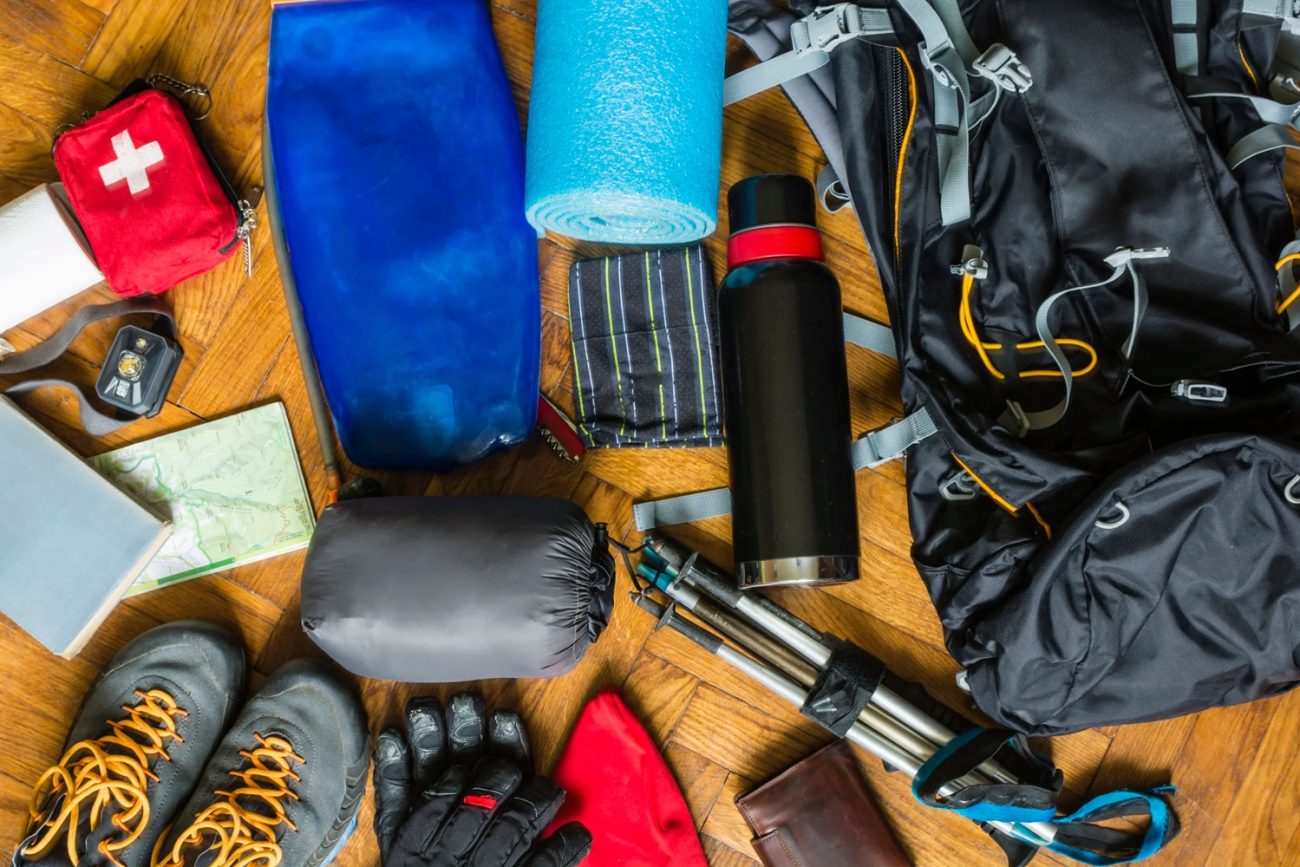
An experienced prepper’s hiking backpack covers the core survival priorities: water and a way to purify more, high-calorie non-perishable food, a stocked first aid kit, signaling and light (whistle, headlamp, signal mirror), a multitool or knife, fire starters, emergency shelter, sun protection, and a way to navigate and communicate. The goal isn’t to prepare for doomsday but to be ready for the real hazards a hike can throw at you, like getting lost, injured, or caught out overnight. Here’s exactly what to pack and why.
Being a prepper doesn’t mean waiting for the end of the world. On any hike, things can go wrong, and you become a prepper simply by planning, organizing, and carrying the food, gear, and essentials that keep you safe. Experienced preppers and skilled outdoorspeople carry the most relevant, life-saving items for the trail. Planning a trek but not sure you’re fully prepared? Here’s what you’ll find inside a seasoned prepper’s backpack, organized by priority.
Prepper Backpack Checklist at a Glance
| Category | Key items | Why it matters |
|---|---|---|
| Water | Bottles, filter or purifier | You can’t survive long without it |
| Food | Jerky, nuts, bars, dried meals | Fuel and energy reserves |
| First aid | Stocked, waterproof kit | Treat injuries in the field |
| Signaling and light | Headlamp, whistle, signal mirror | Be seen and heard by rescuers |
| Tools | Multitool or knife, duct tape | Repairs, food, shelter, fire |
| Fire | Lighter, matches, ferro rod | Warmth, cooking, signaling |
| Shelter | Tent, bivy, hammock, sleeping bag | Protection from the elements |
| Sun protection | SPF 30+ sunscreen, hat, sunglasses | Prevent burns and heat issues |
| Navigation and comms | Map, GPS, two-way radios | Stay found and connected |
Water
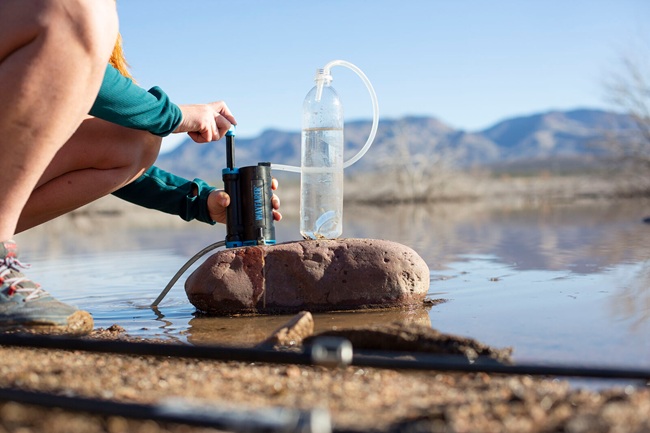
Water is the single most important item in any pack, since you can only survive about three days without it. Carrying water feels bulky and heavy, so hikers often ration it and plan to rely on natural sources along the way. The problem is that no matter how clear water looks in a stream, pipe, or well, it can carry parasites, bacteria, and other contaminants, so you should never drink it untreated.
That’s why a water filter or purifier is essential. You have several portable options to choose from, including pump filters, UV purifiers, filter bottles, straw-style filters like a LifeStraw, and chemical treatments such as water purification tablets. Weigh size, portability, and pack space when choosing. For more detail, see our LifeStraw review and our guide on whether boiling water purifies it.
Food
After water, food is the next priority for survival. You hope never to face an unexpected night out, but it’s better to be prepared than caught short. Pack healthy, easy-to-eat, calorie-dense, non-perishable foods like peanut butter, almonds, walnuts, meat jerky, oats, energy bars, trail mix, and dried fruit and vegetables. Canned meats like Spam aren’t the healthiest choice, but they keep almost indefinitely, which makes them worth considering. MREs are easy to prepare if not exactly gourmet. Pack enough for a week or two on a longer trip, plan your meals, and eat the most perishable items first. For more ideas, see our backpacking lunch ideas.
First Aid Kit
You can’t guarantee your safety in the wilderness, and part of the adventure is accepting that minor scrapes and injuries happen. A stocked first aid kit is essential, but it only helps if you know how to use it, so practice basic first aid with your hiking group before you head out. A solid kit should include:
- Bandages in assorted sizes
- Medical tape
- Antiseptic or alcohol wipes
- Tweezers
- Gauze and sterile dressings
- Antihistamines and pain-relief or anti-inflammatory tablets
- Anti-diarrhea medication
- Medical gloves
- Safety pins
- A CPR face shield
- Electrolyte packets
Keep the kit in a waterproof bag so everything inside stays dry and usable.
Signaling and Safety Gear
Preppers carry gear matched to the situations they expect to face. In the wilderness, anything can happen, from getting lost or trapped to encountering wildlife, so the following items help enormously when rescue isn’t immediately at hand.
Light
You can’t do much in the dark, so carry a rechargeable or solar-powered headlamp or flashlight. Light illuminates the trail, signals other members of your group, and a bright beam shined toward an animal’s eyes can help deter it. For options, see our guides to the best keychain flashlight and best portable solar chargers.
Whistle
A safety whistle is lightweight but invaluable in an emergency, since a loud blast carries far further than your voice and draws attention for rescue. Keep one on a lanyard around your neck, and choose a pealess plastic model so it won’t rust or freeze.
Filtration Mask
A breathing mask may seem unusual for a hike, but airborne particles from dust, smoke, pollen, or wildfire haze can irritate your lungs and trigger allergies. A quality N95 or filtration mask filters out most of these fine particles, which is worth having if you’re hiking anywhere smoke or dust is a risk.
Signal Mirror
A signal mirror can reflect sunlight to catch the attention of aircraft or distant searchers, and it takes up almost no space. It’s a classic survival tool for good reason, so pack one.
Multitool or Pocket Knife
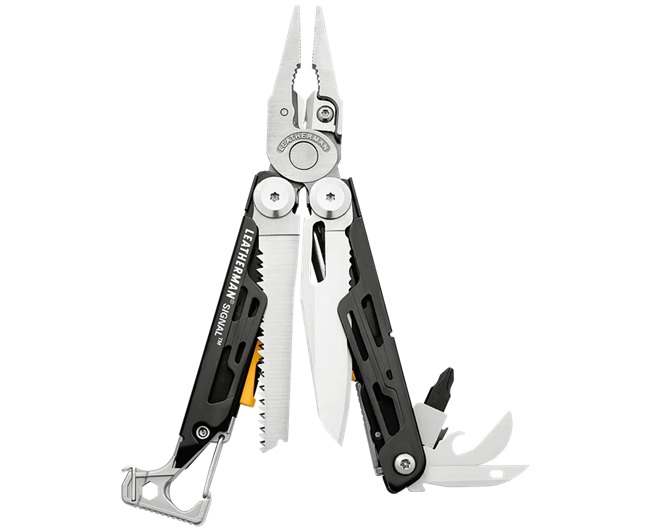
A multitool or pocket knife is compact and endlessly useful on the trail, which is why it’s a staple of any prepper’s kit. Good examples include a Leatherman or a Swiss Army knife, which pack blades, screwdrivers, files, and scissors into a pocket-sized tool. You’ll use it for building shelter, preparing food, making fire, gear repairs, and countless small tasks. For picks, see our guide to the best Swiss Army knife for survival.
Sun Protection
Protect your skin from the sun on every hike. Wear appropriate clothing and pack sunglasses, a hat, and lip balm. Most importantly, use a broad-spectrum sunscreen of at least SPF 30 that protects against both UVA and UVB rays, and reapply it every two hours, or more often if you’re sweating heavily. Sunburn and heat exposure sap your energy fast, so sun protection is a safety item, not just a comfort.
Shelter
When choosing shelter, consider portability and your style of trip. Your shelter needs to fit in or on your pack without weighing you down, and knowing the terrain and conditions helps you pick the right type.
Hammock
A camping hammock is one of the lightest shelter options, needing just two sturdy trees. Pair it with a tarp overhead for protection from sun and rain.
Tent or Bivy
Tents come in double-walled and single-walled designs, and single-walled models pack smaller for minimalist preppers. For solo hikers, a bivy sack is a tiny, waterproof shelter you climb into, adding a few degrees of warmth to your sleep system while taking up very little space.
Sleeping Bag
A sleeping bag insulates you through cold nights, which matters most at high altitude. Match the bag’s temperature rating to the conditions you expect, and look for a model that packs down small.
Fire Starter
Fire dramatically improves your odds in the backcountry, so pack multiple fire sources like a lighter, waterproof matches, and a ferrocerium rod. A fire provides warmth, light, and a morale boost, its smoke helps keep insects away and serves as a daytime signal, and it lets you cook and enjoy a hot meal. For help choosing, read our guide on how to choose a survival lighter.
Duct Tape
Duct tape is one of the most versatile items you can carry. It repairs torn packs, tents, clothing, and gear, it’s waterproof, its fibers can help start a fire, and in a pinch it can even serve as an improvised bandage to close and protect a wound. Wrap a length around a water bottle or trekking pole to save space.
Navigation and Communication
Mobile signal is never guaranteed on the trail, yet direction and communication can be critical. Carry a map and compass or a dedicated GPS device, and know how to use them, so you can stay oriented even without a phone. For staying in touch with your group, pack two-way radios, which work where cell service doesn’t and help you call for help or regroup if you get separated.
Frequently Asked Questions
What should be in a prepper’s hiking backpack?
A prepper’s hiking backpack should cover water and purification, calorie-dense non-perishable food, a stocked first aid kit, signaling and light (whistle, headlamp, signal mirror), a multitool or knife, fire starters, emergency shelter and a sleeping bag, sun protection, and navigation and communication tools like a map, GPS, and two-way radios.
What is the most important item in a survival backpack?
Water is the most important item, since you can only survive about three days without it. Beyond carrying water, a reliable filter or purifier is essential so you can safely drink from natural sources, since untreated water can carry parasites and bacteria even when it looks clean.
How much food should you pack for a survival hike?
For an extended or emergency-ready trip, pack enough non-perishable, calorie-dense food for one to two weeks, such as jerky, nuts, nut butter, oats, energy bars, and dried meals. Plan your meals, eat the most perishable items first, and prioritize calories per ounce to keep pack weight manageable.
Do you really need a water filter for hiking?
Yes. No matter how clean a stream or spring looks, it can contain parasites, bacteria, and other contaminants that cause serious illness. A portable filter, purifier, or chemical treatment lets you safely refill on the trail, which is lighter than carrying all your water and vital in an emergency.
What is a bivy sack and do preppers use one?
A bivy sack is a compact, waterproof shelter you slide your sleeping bag into, adding a few degrees of warmth while taking up far less space than a tent. Preppers and solo hikers favor them because they’re lightweight, quick to deploy, and ideal for minimalist or emergency overnight setups.
What sunscreen should you use for hiking?
Use a broad-spectrum sunscreen rated at least SPF 30 that protects against both UVA and UVB rays, and reapply every two hours or more often when sweating. Pair it with a hat, sunglasses, lip balm, and sun-protective clothing, since sunburn and heat exposure drain your energy and can become a safety issue.
Be Genuinely Prepared
Packing well turns a hike into a safer, more enjoyable experience for you and everyone with you. The items above are genuinely life-saving, but gear is only half the equation. Prepare your body and mind too, since fitness, knowledge, and a calm head matter as much as anything in your pack on long or challenging trails. Build your kit around these priorities, practice using everything in it, and you’ll head into the backcountry ready for whatever comes. What’s always in your pack? Share your essentials in the comments below.


