
Note: We get commissions for purchases made through links in this article.
The best activity tracker watch puts your fitness data right on your wrist. Steps, distance, heart rate, sleep and running pace all become easy to track, so you can adjust your training and actually hit your goals. The hard part is choosing, because there are dozens of models and the marketing makes them all sound essential.
This guide cuts through that. Below, we cover what really matters when buying an activity tracker, then review eight current models, from a $60 everyday band to a $1,000 adventure watch. Every pick is in production and sold new in 2026.
Quick Picks: The Best Activity Tracker Watches
- Best Overall for Runners: Garmin Forerunner 570
- Best Value Smartwatch: Garmin Vívoactive 6
- Best Fitness Band: Fitbit Charge 6
- Best Budget Pick: Samsung Galaxy Fit3
- Best Mid-Range Running Watch: Polar Pacer Pro
- Best for Stress and Wellness: Fitbit Sense 2
- Best for Hikers and Ultrarunners: Suunto Vertical 2
- Best Premium Adventure Watch: Garmin Fenix 8
What to Consider Before Buying an Activity Tracker Watch
Your activity level and fitness goals
If your main activity is walking, you probably don’t need built-in GPS or advanced training metrics. There’s little point paying for features you’ll rarely use. On the other hand, if you’re training for a race or chasing performance targets, those extra features quickly earn their keep.
Features that actually matter
For athletes, more advanced features mean more insight into performance and recovery. Here’s what the key ones do:
- Heart rate monitor: shows how hard you’re working, so you know when to push and when to ease off.
- GPS: logs distance, pace and route without your phone. Essential for outdoor runners, cyclists and hikers.
- Barometric altimeter: measures elevation gain accurately, which matters for hikers and trail runners.
- Multi-sport tracking: a must for triathletes, since one device covers swimming, cycling and running.
- Recovery metrics: tools like training readiness, HRV and sleep scores tell you when your body is ready for a hard session.
Band or watch?
Activity trackers mostly come in two styles. Fitness bands like the Fitbit Charge 6 and Galaxy Fit3 are slim, light and comfortable to wear while sleeping, but they have small screens and fewer training features. Watches like the Garmin and Polar models have bigger displays, longer GPS battery life and deeper training tools, but they’re bulkier and cost more.
Phone compatibility
Check this before you buy. Garmin, Polar, Suunto and Fitbit work with both iPhone and Android. The Samsung Galaxy Fit3 works only with Android phones.
The companion app and subscriptions
The app is where your data becomes useful, so it matters as much as the hardware. Garmin, Polar and Suunto include their full feature sets for free. Fitbit locks some of its best insights behind a paid premium subscription, which adds to the long-term cost.
Start simple if you’re a beginner
If you’re new to tracking, your phone’s built-in step counter is a free way to test the habit. If you find yourself checking it daily, that’s a good sign a dedicated tracker will be worth the money.
The Best Activity Tracker Watch Options in 2026
 1. Garmin Forerunner 570: Best Overall for Runners
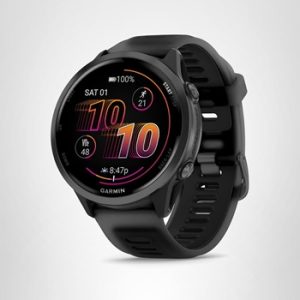
The Forerunner 570 delivers near-flagship training tools without the flagship price. It has Garmin’s brightest AMOLED display yet, plus a built-in speaker and microphone for taking calls from your wrist when paired with your phone.
For training, you get Training Readiness, training status, wrist-based running power and running dynamics. Garmin Coach builds adaptive plans, including triathlon plans for swim, bike and run sessions. Dual-frequency GPS keeps tracking accurate under trees and between tall buildings, and 8GB of storage holds offline music from Spotify, Amazon Music or Deezer. Battery life reaches up to 11 days in smartwatch mode.
Pros
- Bright AMOLED display in 42mm or 47mm sizes
- Detailed training and recovery metrics
- Dual-frequency GPS for accurate tracking
- Music storage, calls and Garmin Pay
Cons
- No offline maps, ECG or flashlight (those are on the pricier Forerunner 970)
- Battery drops quickly with heavy GPS and always-on display use
Key specs
- Display: 1.2 to 1.4 inch AMOLED
- Battery: up to 11 days (smartwatch mode)
- GPS: dual-frequency
- Price: about $549
Best for: serious runners and triathletes who want top-tier training tools for less than a flagship.

 2. Garmin Vívoactive 6: Best Value Smartwatch
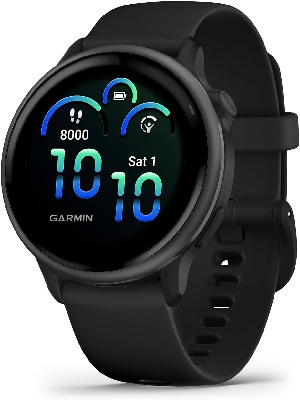
The Vívoactive 6 brings many of Garmin’s running features down to a much friendlier price. It offers over 80 built-in sports apps, including running, cycling, pool swimming, strength training and golf.
You get Running Power, Running Dynamics and PacePro guidance, features once reserved for Forerunner watches. Body Battery energy monitoring, a sleep coach and HRV status round out the health picture, and the Smart Wake alarm gently wakes you during a lighter sleep phase. It also has 8GB of music storage and Garmin Pay, with up to 11 days of battery life.
Pros
- Excellent features for the price
- Bright AMOLED display
- Music storage and contactless payments
- Long battery life
Cons
- No barometric altimeter or topographic maps
- Single-frequency GPS
Key specs
- Display: 1.2 inch AMOLED (42mm case)
- Battery: up to 11 days (smartwatch mode)
- Sports apps: 80+
- Price: about $299
Best for: everyday athletes who want strong training features in an affordable, stylish smartwatch.
 3. Fitbit Charge 6: Best Fitness Band
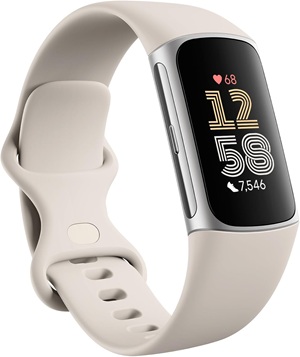
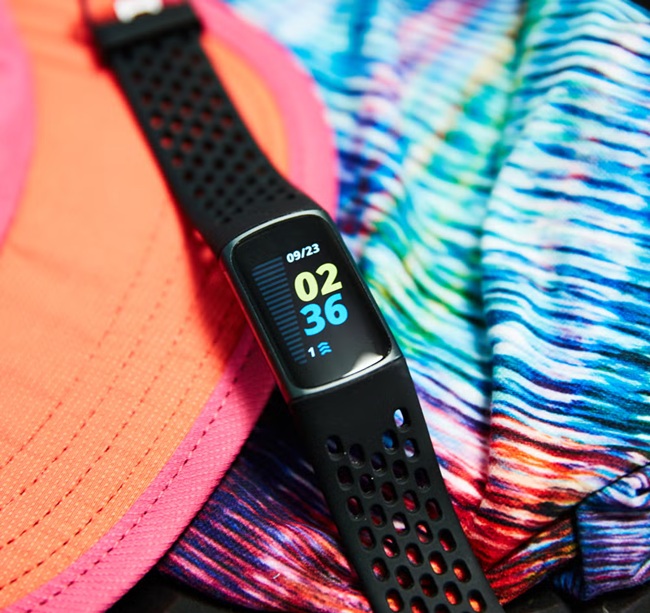
The Charge 6 packs a lot into a slim band. It has built-in GPS for pace and distance without your phone, plus more than 40 exercise modes. Its heart rate sensor uses Google’s Pixel Watch algorithm for better accuracy during intense workouts.
Google Maps, Google Wallet and YouTube Music controls are built in. It can also pair with gym equipment from brands like Peloton and NordicTrack to show your heart rate on the machine’s screen. An ECG app, stress tracking, SpO2 and skin temperature sensing complete the health tools, and battery life reaches up to 7 days.
Pros
- Slim, comfortable design for 24/7 wear
- Built-in GPS and ECG app
- Google app integration
- Works with iPhone and Android
Cons
- Best insights require a paid premium subscription after the trial
- Small screen and no altimeter
Key specs
- Display: 1.04 inch AMOLED touchscreen
- Battery: up to 7 days
- GPS: built in
- Price: about $159 (often discounted)
Best for: anyone who wants a slim, affordable tracker with GPS and Google integration.
4. Samsung Galaxy Fit3: Best Budget Pick
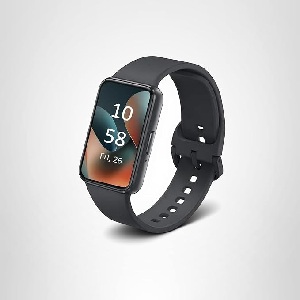
The Galaxy Fit3 offers a lot for around $60. Its slim aluminum body and large 1.6 inch AMOLED screen are comfortable enough to wear all day and night.
It tracks over 100 workout types, plus steps, calories and stress. Sleep coaching includes sleep stages, snoring detection and blood oxygen readings. You can also control music, see calls and send quick replies from your wrist. Fall detection and SOS add peace of mind, and battery life reaches up to 13 days.
Pros
- Excellent value
- Large, bright AMOLED screen
- Long battery life
- Fall detection and SOS
Cons
- Android only, with some features limited to Samsung phones
- No built-in GPS
- No ECG
Key specs
- Display: 1.6 inch AMOLED
- Battery: up to 13 days
- Water resistance: 5ATM and IP68
- Price: about $60
Best for: Android users who want an affordable, low-profile band for everyday activity and sleep tracking.
 5. Polar Pacer Pro: Best Mid-Range Running Watch
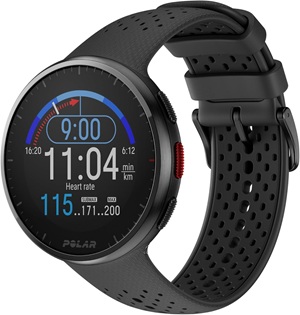
The Pacer Pro brings Polar’s science-driven training tools to a mid-range price. At just 41g, it’s one of the lightest GPS watches you can buy, and its memory-in-pixel display stays crisp in direct sunlight.
It includes a barometric altimeter, wrist-based Running Power and a Running Performance Test to estimate your fitness without a lab. Training Load Pro and Nightly Recharge show how hard to train and how well you’ve recovered. Turn-by-turn route guidance works with routes from Komoot. Battery life reaches 7 days in watch mode and up to 35 hours with GPS and heart rate active.
Pros
- Extremely light and comfortable
- Strong training and recovery analysis
- Barometric altimeter included
- Sunlight-readable display
Cons
- No AMOLED display, touchscreen or music storage
- Single-frequency GPS
Key specs
- Weight: 41g
- Display: memory-in-pixel
- Battery: up to 7 days (watch mode) or 35 hours (GPS)
- Price: about $300 to $350
Best for: runners who want Polar’s training analysis in a light, affordable watch.
 6. Fitbit Sense 2: Best for Stress and Wellness
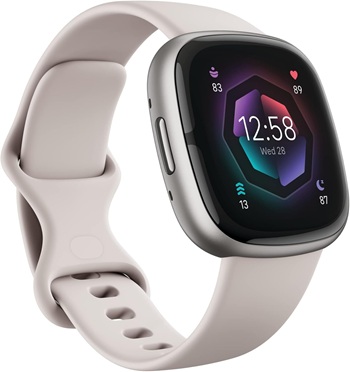
The Sense 2 focuses on the full picture of your health, not just workouts. Its continuous EDA sensor tracks stress responses throughout the day and prompts you to log how you feel.
It also has an ECG app for heart rhythm checks and AFib detection, plus sleep staging with SpO2 and skin temperature readings. Amazon Alexa is built in, along with Google Maps, Google Wallet and phone notifications. Battery life reaches 6 or more days.
Pros
- Advanced stress and recovery tracking
- ECG app for heart rhythm checks
- Built-in GPS and Alexa
- Works with iPhone and Android
Cons
- Google has said there won’t be a Sense 3, so long-term support is uncertain
- No third-party app store
- Best insights need a paid premium subscription
Key specs
- Display: AMOLED touchscreen
- Battery: 6+ days
- Water resistance: 5ATM
- Price: about $180 to $250
Best for: wellness-focused users who care more about stress, sleep and heart health than training metrics.
 7. Suunto Vertical 2: Best for Hikers and Ultrarunners
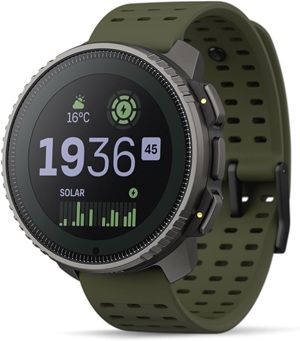
The Vertical 2 pairs a bright AMOLED display with battery life that embarrasses most rivals. You get up to 65 hours of tracking with accurate dual-band GPS, up to 250 hours in its most efficient mode, and around 20 days as a smartwatch.
Free offline maps with contour lines and turn-by-turn navigation work with no signal. A built-in LED flashlight is genuinely useful for pre-dawn starts or camp chores in the dark, and the case is water resistant to 100m. It comes in stainless steel or titanium.
Pros
- Outstanding battery life for an AMOLED watch
- Free offline maps with navigation
- Built-in flashlight
- Rugged, expedition-grade build
Cons
- Smaller app ecosystem than Garmin
- Heavier and bulkier than training watches
Key specs
- Display: AMOLED
- Battery: up to 65 hours (dual-band GPS) or about 20 days (smartwatch)
- Water resistance: 100m
- Price: about $599 (steel) or $699 (titanium)
Best for: hikers, trail runners and ultrarunners who need maps and long battery life.
8. Garmin Fenix 8: Best Premium Adventure Watch
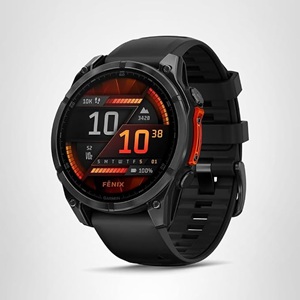
The Fenix 8 is Garmin’s most capable outdoor watch. Multi-band GPS with SatIQ delivers top-tier accuracy, and preloaded TopoActive maps give you full-color offline navigation for trails, streets, ski resorts and golf courses.
It adds a built-in LED flashlight, a speaker and microphone for calls and voice commands, an ECG app and dive modes rated to 40 meters. The AMOLED version comes in 43mm, 47mm and 51mm sizes, with smartwatch battery life of up to 16 days on the 47mm and up to 29 days on the 51mm. A solar version with a memory-in-pixel screen lasts even longer.
Pros
- Preloaded offline topo maps
- Flashlight, calls and voice commands
- Dive-rated and extremely rugged
- Long battery life for an AMOLED watch
Cons
- Very expensive, especially with sapphire or titanium
- Large and heavy for smaller wrists
Key specs
- Display: AMOLED (43, 47 or 51mm)
- Battery: up to 16 days (47mm) or 29 days (51mm) in smartwatch mode
- Dive rating: 40m
- Price: from about $999 (frequently discounted)
Best for: adventurers and endurance athletes who want Garmin’s most rugged, capable watch.
Activity Tracker Watch Comparison Table
| Model | Type | GPS | Battery (smartwatch) | Phone | Best For | Price |
|---|---|---|---|---|---|---|
| Garmin Forerunner 570 | Watch | Dual-frequency | Up to 11 days | iPhone, Android | Runners, triathletes | about $549 |
| Garmin Vívoactive 6 | Watch | Yes | Up to 11 days | iPhone, Android | Everyday athletes | about $299 |
| Fitbit Charge 6 | Band | Yes | Up to 7 days | iPhone, Android | Slim all-rounder | about $159 |
| Samsung Galaxy Fit3 | Band | No | Up to 13 days | Android only | Budget tracking | about $60 |
| Polar Pacer Pro | Watch | Yes | Up to 7 days | iPhone, Android | Light running watch | about $300 to $350 |
| Fitbit Sense 2 | Watch | Yes | 6+ days | iPhone, Android | Stress and wellness | about $180 to $250 |
| Suunto Vertical 2 | Watch | Dual-band | About 20 days | iPhone, Android | Hiking, ultras | about $599 |
| Garmin Fenix 8 | Watch | Multi-band | Up to 29 days | iPhone, Android | Premium adventure | from about $999 |
Prices are approximate and change often. Tap any link above for the current price.
How to Choose the Best Activity Tracker Watch for You
- Casual walking and sleep tracking: Samsung Galaxy Fit3 (Android) or Fitbit Charge 6.
- Getting into running: Garmin Vívoactive 6 or Polar Pacer Pro.
- Serious running or triathlon: Garmin Forerunner 570.
- Stress, sleep and heart health: Fitbit Sense 2.
- Hiking and trail running: Suunto Vertical 2.
- Backcountry adventures with maps: Garmin Fenix 8.
Looking for more training gear? Browse our fitness gear picks.
Frequently Asked Questions
What is the best activity tracker watch overall?
For most runners, the Garmin Forerunner 570 is the best all-round choice, with accurate dual-frequency GPS and detailed training tools. If you want strong features for less, the Garmin Vívoactive 6 is the best value.
What’s the difference between a fitness tracker and a smartwatch?
A fitness tracker focuses on activity, health and workout data. A smartwatch adds broader features like apps, music storage, payments and richer notifications. Many modern devices, including most on this list, blend both.
Do I need GPS in an activity tracker watch?
Only if you run, cycle or hike outdoors and want accurate pace, distance and route data without carrying your phone. Casual walkers can usually skip it.
How accurate is wrist-based heart rate tracking?
It’s reliable for everyday use and steady workouts. During intervals or sudden effort changes, it can lag a few seconds behind a chest strap. If precise heart rate data matters for your training, a chest strap is still the gold standard.
Can activity trackers measure blood pressure or blood sugar?
Not reliably. None of the watches on this list measure blood glucose, and the FDA has warned consumers against using smartwatches or rings that claim to. Use a medical device if you need those readings.
Do Fitbit trackers need a subscription?
No, the basics work for free. However, some of Fitbit’s best insights, like its readiness score and advanced sleep analysis, require a paid premium subscription after the included trial.
Finding the Best Activity Tracker Watch for You
The best activity tracker watch is the one that fits your goals, budget and phone. For most runners, the Garmin Forerunner 570 is the top pick, while the Garmin Vívoactive 6 offers the best value. On a tight budget, the Samsung Galaxy Fit3 and Fitbit Charge 6 cover the essentials, and adventurers should look at the Suunto Vertical 2 or Garmin Fenix 8.
Whichever you choose, pick the features you’ll actually use, and let your tracker help you build habits that last. Have a favorite tracker we missed? Tell us in the comments.

Daniel is a gear freak when it comes to hiking, climbing and camping. He went to REI Outdoor School to meet new people and learn best practices. Don’t even try to argue with him about the latest backpack or ice axe, he tried most of them. Daniel’s dream is to climb Mount Everest.
I love my Fitbit Surge Fitness Superwatch! It has helped me stay on track with my diet. The surge looks good and the free interface, weekly updates and data are easy to use, bright, clear and colourful. I can’t compare it to other fitness devices, but it’s helpful and motivates you to do more by challenging yourself and/or friends. I’m definitely a numbers guy and this “superwatch” gives you everything you could ever want to possibly know.
I might add that the Fitbit Surge Fitness Superwatch is also good looking and sleek. The mid-price range is a great come-on and we know that the Fitbit is gaining popularity. It’s so easy to use and connects seamlessly to your other devices, which is great!
When I started my diet 5 months ago, I bought a Garmin Forerunner 230. The battery surprisingly lasts longer and I like the accuracy too. It does everything you specified. It calculates the calories you burn throughout the day based on your height, weight, and your activities. The watch vibrates and beeps if my phone is within its range. I am just kind of confused between GPS watch and Activity tracker watch, though. They said GPS watch is also known as running watch and it will fairly accurately track workouts via GPS in the watch, but doesn’t a tracker watch does the same?
A tracker watch is usually for fitness tracking, thus, the name and it monitors your every move. The GPS watch on the other hand locates you in the world, no matter what your activity may be. A GPS watch communicates with satellites to be able to locate you and follows you as you walk, run, hike, and move to any workout. The detailed information makes the GPS watch ideal for serious athletes as it accurately track pace, speed, altitude and much more.