
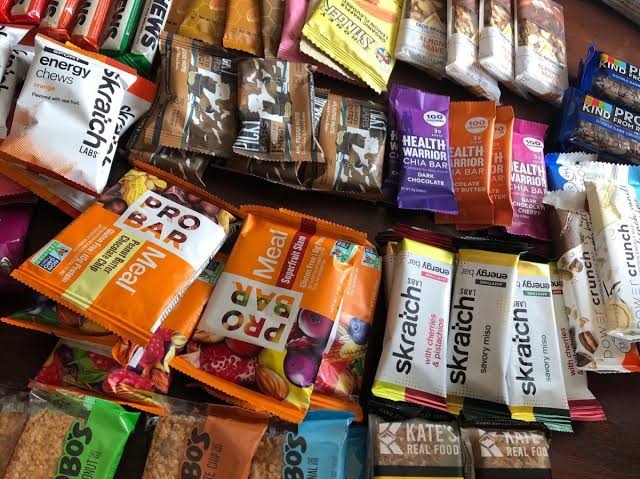
The best energy bars for hiking are calorie-dense, made from real, recognizable ingredients, and built to survive hours of heat and pressure in a pack without turning into a sugary mess. PROBAR Meal, Kate’s Real Food, and Clif Bar are consistently among the top choices for day hikers, while GoMacro and RiseBar stand out for hikers managing dietary restrictions, and Clif Builders is a strong pick for post-hike recovery.
Editors Note: The Article was updated September 2026, we may earn a commission for purchases made through the links in this article, at no extra cost to you.
Whether you’re backpacking for days, tackling a long day hike, or just need something quick before heading out the door, you need real fuel, not a quick sugar spike that leaves you crashing halfway up the trail. Energy bars solve the problem that a campfire and a can of beans can’t: something you can eat in seconds, with one hand, without stopping.
The trouble is the grocery store energy bar aisle is enormous, and not every bar marketed as “healthy” or “energizing” actually holds up outdoors or fuels you the way it should. This guide breaks down how to choose the right bar for your activity level and dietary needs, then walks through 12 of the best options on the market, with direct links so you can compare and buy.
If you’d rather make your own from scratch, see our guide on how to make energy bars for hiking for recipes that cost less and skip the preservatives entirely. And for a wider list of trail food beyond bars, check out our roundup of the best hiking snacks.
How to Choose the Right Energy Bar
Before comparing brands, it helps to know what you’re actually looking for. Not every energy bar is built the same way, and the right one for you depends on your activity level, dietary needs, and what you want the bar to do.
Start by asking yourself:
- Are you using it for sustained activity, like a long hike or bike ride?
- Do you need it as a full meal replacement, or a between-meal snack?
- Are you managing a dietary restriction, such as gluten, dairy, or nut allergies?
- Do you need extra protein for muscle recovery, or extra carbohydrates for sustained energy?
Once you know what you need, weigh your options against these criteria.
Taste
If you’re spending money on a bar, it should actually taste good. Taste is subjective, so it’s worth trying a few brands before settling on a favorite, ideally while you’re actually out on the trail rather than sitting at home, since flavor and texture can feel different mid-hike.
Ingredients
Flip the bar over before you buy it. Many products marketed as “nutritious” are loaded with sugar, trans fats, and artificial sweeteners once you read the label. These ingredients aren’t just unhealthy, they can also cause bloating and gas, which is the last thing you want several miles into a hike. Watch out for these ingredients in particular:
- Maltitol syrup and lactitol
- Sorbitol, xylitol, and isomalt
- Hydrogenated oil
- Glycerine
- Added sugar high on the ingredient list
Bars built around real, whole ingredients rather than sugar alcohols and processed oils tend to deliver steadier, longer-lasting energy instead of a quick high followed by a crash.
Calorie Count
Bars loaded with empty calories will leave you hungry again within the hour. As a general guideline, look for a snack-sized bar in the 150 to 300 calorie range, with meal-replacement bars running higher, closer to 350 to 400 calories. The right number depends on your activity level and how far you’re going.
Heat and Crush Resistance
This one matters more outdoors than anywhere else. Bars with chocolate coatings or soft syrup binders can melt or separate in a hot pack during a summer hike. Bars built around real oats, nuts, and dried fruit without a chocolate shell tend to hold their shape much better in warm conditions.
Comparison at a Glance
| Bar | Best For | Approx. Calories | Protein | Dietary Notes |
|---|---|---|---|---|
| PROBAR Meal Bar | Meal replacement, dietary restrictions | 360-370 | 8-13g | Vegan, organic, gluten-free, Non-GMO |
| PROBAR Fuel | Lightweight snack, outdoor enthusiasts | 190-200 | 5-6g | Gluten-free, Non-GMO, USDA Organic |
| Clif Bar Crunchy Peanut Butter | All-around trail fuel | ~250 | 11g | Non-GMO, organic oats |
| Clif Builders | Post-hike recovery | ~270 | 20g | Gluten-free, plant-based protein |
| Kate’s Real Food Energy Bars | Real-ingredient snack | ~280-300 | 6-8g | Non-GMO, kosher, soy-free |
| Larabar Peanut Butter Chocolate Chip | Short, simple ingredient list | ~200 | 6g | Gluten-free, vegan, dairy-free |
| GoMacro MacroBar | Day hikes, smooth texture | ~250-290 | 10-12g | Organic, vegan, gluten-free, kosher, soy-free |
| Bobo’s Oat Bars | Budget-friendly, family-friendly | ~170-230 | 3-4g | Vegan, gluten-free, Non-GMO |
| RiseBar High-Protein Bars | High protein, paleo, nut-allergy friendly | ~230 | 15g | Paleo, non-GMO, soy-free, gluten-free |
| Honey Stinger Energy Chews | Fast carbs on steep climbs | ~160 | 1g | Organic, gluten-free, dairy-free |
| Skratch Labs Anytime Bar | Real-food, low-sugar endurance fuel | ~180-190 | 4-5g | Non-GMO, gluten-free, vegan, soy-free |
| Taste of Nature Organic Snack Bars | Low glycemic, allergy-conscious | ~150-170 | 2-3g | Organic, kosher, gluten-free |
12 Best Energy Bars for Hiking and the Outdoors
 1. PROBAR Meal Bar
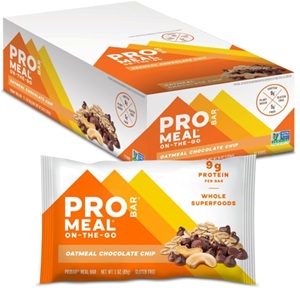
Weight: 3 oz per bar (12-count box, 36 oz total) Dimensions: Box dimensions vary by pack size and retailer, check the current listing for exact measurements Specific Features: Non-GMO Project Verified, gluten-free, USDA Organic, 100% vegan Best Use: Multi-purpose, especially strong for hikers with dietary restrictions or anyone needing a lunch replacement
Description: PROBAR originated in the Wasatch Mountains of Utah, made by foodies who are outdoor enthusiasts and were looking for an energy bar built from real ingredients instead of chemical additives. Each bar is made with 100% vegan, organic ingredients and contains around 10 whole foods, with flavors like Oatmeal Chocolate Chip, Superfood Slam, Chocolate Coconut, and Whole Berry. If you have food allergies, dietary restrictions, or eat vegan or vegetarian, this is an exceptional option, and you’ll actually be able to read and recognize every ingredient on the label.
Whichever flavor you pick, these bars taste noticeably better than the flaky, dry, rubber-textured bars that plague much of the category. They’re moist, satisfying, and loaded with 8 to 13 grams of protein depending on the flavor, plus a solid dose of fiber. They run a little pricier than the average energy bar, but you’re paying for real food quality rather than filler.
Related: For a lighter, more portable option from the same brand, see PROBAR Fuel below, or try PROBAR’s Original Trail Mix and Chocolate Coconut flavors for variety.

 2. PROBAR Fuel
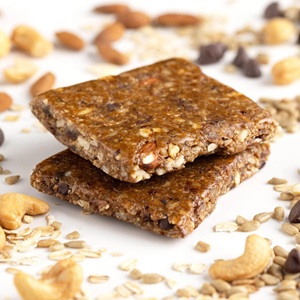
Weight: 1.7 oz per bar Dimensions: 6 x 5 x 4 inches (box) Specific Features: Gluten-free, Non-GMO Project Verified, USDA Organic, lightweight bar Best Use: Outdoor enthusiasts and physically active hikers who want a lighter snack than the Meal Bar
Description: PROBAR Fuel is a leaner, more trail-ready sibling to the Meal Bar. It’s sweeter in flavor, but that sweetness comes from robust seeds and nuts rather than artificial sweeteners or additives. It’s built with omega-rich chia seeds and antioxidants to help keep you going through a long stretch of trail, and it’s gluten-free, which matters for hikers managing food intolerances.
The texture is soft and chewy, exactly what you want from a bar you’re eating mid-stride. PROBAR packs this one with real nutrition without it tasting like straw, and the chia seeds help regulate hydration while the raw oats digest easily, so you’re less likely to deal with bloating partway through a climb. The only downside is the price, PROBAR bars run a bit higher than a traditional energy bar, but the ingredient quality tends to justify the cost.
Related: If you want something a little more buttery, try PROBAR’s Organic Nut Butter Bar, or step up to the Meal Bar above when you need something closer to a full lunch.
3. Clif Bar Crunchy Peanut Butter
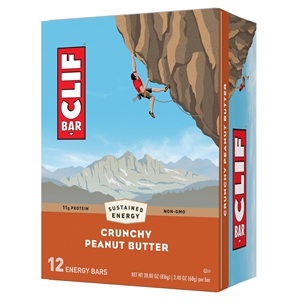
Weight: 2.4 oz per bar (12-pack, 28.8 oz total) Dimensions: Approx. 2.5 x 5.4 x 5.8 inches for a 6-bar box; 12-count boxes run larger Specific Features: No artificial sweeteners or preservatives, made with organic rolled oats, Non-GMO Best Use: Ideal for outdoor enthusiasts, hikers, and backpackers needing sustained energy
Description: Clif Bar has been a trail staple for decades, and the Crunchy Peanut Butter flavor remains one of the most dependable choices for anyone hiking, backpacking, or spending a full day on physically demanding terrain. Made with organic peanut butter and crunchy peanut pieces, it delivers 11 grams of protein and a mix of protein, fat, and carbohydrates purposefully built to sustain the body before and during long, moderate-intensity activity.
These bars are designed to fill you up and give you the energy you need without weighing you down, and the texture holds up well even after hours in a warm pack. Some hikers find the bars visually unremarkable, but if you’re focused on real fuel over aesthetics, this is a reliable, affordable option that’s easy to find nearly anywhere.
Related: If you want a nuttier, more indulgent option, try the Chocolate Peanut Butter flavor, or step up to Clif Builders below for a higher-protein recovery bar.
4. Clif Builders (Chocolate)
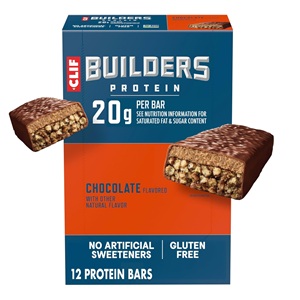
Weight: 2.4 oz per bar (12-pack, 28.8 oz total) Dimensions: Approx. 2.4 x 6 x 0.75 inches per bar Specific Features: 20g plant-based protein, gluten-free, Non-GMO, low glycemic, no artificial sweeteners Best Use: Post-hike recovery and muscle repair after a demanding day on the trail
Description: When the goal shifts from “keep moving” to “recover well,” Clif Builders is the strongest pick on this list. With 20 grams of complete, plant-based protein and essential amino acids, it’s purpose-built to help repair and rebuild muscle after a tough climb, long trek, or heavy pack day. The texture is thick and chocolate-coated, eating more like a candy bar than a light trail snack, which makes it a satisfying reward at the end of a hard hike.
Because it’s dense and higher in calories than a typical snack bar, it works well as a combined protein-and-carb lunch replacement if you’re eating it partway through a long day. The main trade-off is heat sensitivity: the chocolate coating can soften in warm weather, so it’s best eaten at rest rather than carried loose in a hot pack all day.
Related: Also available in Chocolate Peanut Butter, Chocolatey Mint, and Vanilla Almond if you want to rotate flavors across a multi-day trip.
5. Kate’s Real Food Organic Energy Bars
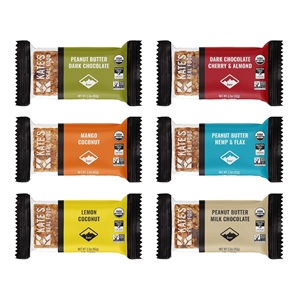
Weight: 2.2 oz per bar (12-pack, 26.4 oz total) Dimensions: Box dimensions vary by flavor and pack size, check the current listing Specific Features: All natural, all organic, non-GMO, kosher, soy-free Best Use: Multi-use snack bar, ideal for day hikes and general trail snacking
Description: Kate’s Real Food bars are built with a short, simple ingredient list, which is exactly why they’ve earned such a loyal following among hikers. Made with organic honey, organic oats, organic peanut or almond butter, dark chocolate, rice nuggets, and seeds like hemp and flax, these bars deliver natural sugars and protein alongside amino acids and omega-3s that help your body actually use the energy rather than just taste sweet.
The result is a bar that keeps your stomach satisfied for hours rather than leaving you hungry again in thirty minutes. They’re also priced lower than many comparable organic bars on the market, which matters if you’re stocking up for a multi-day trip. One hiker’s review described eating one after an exhausting day on the Appalachian Trail as an unexpected trail highlight, which says something about how satisfying these bars are when you actually need them.
Related: Kate’s Real Food also makes heartier Tram Bars aimed at hikers and more physically demanding activity, worth trying if you want something denser for longer days.
6. Larabar Peanut Butter Chocolate Chip
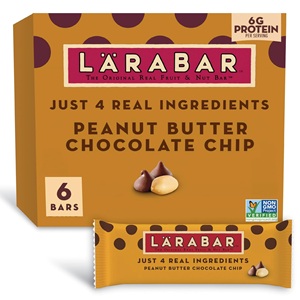
Weight: 1.6 oz per bar (6-pack, 9.6 oz total) Dimensions: Approx. 2 x 4 x 6 inches (6-count box) Specific Features: 4-ingredient recipe, gluten-free, Non-GMO, dairy-free, vegan Best Use: Hikers with food allergies or anyone wanting the shortest possible ingredient list
Description: Larabar solves a real problem for hikers managing gluten or dairy intolerances: a bar made from only four ingredients. This flavor combines dates, peanuts, fair trade semisweet chocolate chips, and sea salt, and nothing else. That simplicity means you’re not eating gums, protein isolates, or sugar alcohols disguised as health food, and it also delivers 10% of your daily magnesium intake per serving, a nice bonus after a sweaty day of hiking.
People consistently comment on how good these taste given how little is actually in them, which is rare in a category full of bars that oversell “clean” ingredients while still packing in fillers. The trade-off is a lower protein count than performance-focused bars, so this works best as a light snack between meals rather than a full recovery bar.
Related: For a smaller, pocket-sized option, try the Larabar Minis, or check out the Cashew Cookie flavor if you want a slightly different taste with the same short ingredient list.
7. GoMacro MacroBar
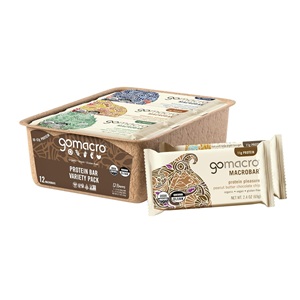
Weight: 2.3 oz per bar (12-pack, approx. 27.6 oz total) Dimensions: Box dimensions vary by flavor, check the current listing Specific Features: Gluten-free, vegan, Non-GMO, kosher, soy-free, award-winning Best Use: Day hikes and highly physical activity where steady, slow-burning energy matters
Description: GoMacro’s Organic MacroBars have picked up multiple industry awards, and it’s easy to see why once you’re on the trail. Built as a complex-carbohydrate protein bar, it burns slowly through the body rather than spiking and crashing, which makes it a strong choice for anyone working out or hiking for an extended stretch. The bars also support immune health alongside sustained energy, and they’re made from whole-food ingredients that are gluten-free, soy-free, kosher, and vegan, meaning nearly anyone can eat them.
The texture is notably smooth rather than chunky, so if you’re looking for a bar with big visible pieces of nuts or seeds, this isn’t it, but if easy digestion and simplicity are what you want, GoMacro delivers exactly that.
Related: If you want a different take on a no-bake protein bar, Jason’s No Bake Protein Bar is another solid option, wheat and gluten-free, and popular as a filling meal replacement.
8. Bobo’s Oat Bars
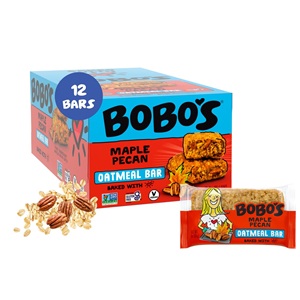
Weight: 3 oz per bar (12-pack, 36 oz total) Dimensions: Box dimensions vary by flavor, check the current listing Specific Features: Vegan-friendly, Non-GMO Project Verified, gluten-free, kosher certified Best Use: Casual hikers, family outings, and anyone managing dietary restrictions on a budget
Description: Bobo’s got its start in Boulder, Colorado, where the company still makes its bars today, and it’s earned a reputation as a small, American-based brand with a genuine following. The Maple Pecan flavor blends maple syrup with a buttery pecan crunch, meant to evoke a Sunday morning pancake breakfast in bar form. These bars are gluten-free, vegan, Non-GMO Project Verified, and made with all-natural, organic ingredients.
The texture is chewy without being overly sticky, which some hikers really appreciate, though a few reviewers find the flavor a touch too sweet, so it comes down to personal preference. It’s also one of the more budget-friendly options on this list, making it a practical choice when you need to pack several bars for a group hike or a family outing.
Related: Bobo’s also makes gluten-free oat bars in Lemon Poppyseed and Original flavors, both worth trying if Maple Pecan isn’t your preference.
9. RiseBar High-Protein Bars

Weight: 2.1 oz per bar (12-pack, approx. 25.2 oz total) Dimensions: Approx. 7.5 x 5.6 x 2.2 inches (12-count box, about 1.6 lbs) Specific Features: Paleo-friendly, nut-allergy friendly, non-GMO, soy-free, gluten-free, kosher Best Use: Highly physical individuals and hikers managing paleo diets or nut allergies
Description: Food restrictions are common, but not every energy bar brand accounts for them, RiseBar does. Its High-Protein Bars are entirely paleo-friendly and pack a substantial 15 grams of protein per bar, made from a genuinely short list of ingredients: sunflower butter, coconut nectar, pea protein, cinnamon, and vanilla extract. That’s the entire recipe.
The sunflower butter gives the bar its moist texture, which matters in a protein bar since so many go dry and chalky. RiseBar makes its bars daily in small batches in a California kitchen, all non-GMO, soy-free, gluten-free, and kosher, with no artificial sugar, preservatives, or sugar alcohols added. Because nut allergies are such a common concern on group hikes, RiseBar is a genuinely useful option to have in the mix. The main downside is availability, these bars aren’t always easy to find in stores, so ordering online is often the more reliable route.
Related: If you want more tang, try RiseBar’s Lemon Cashew flavor for a different take on the same short, clean ingredient list.
 10. Honey Stinger Organic Energy Chews
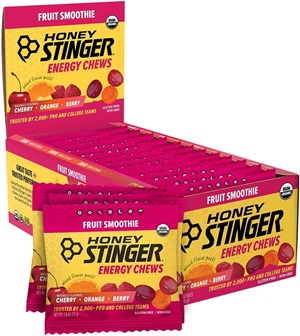
Weight: 1.8 oz per pack (12-pack, 21.6 oz total) Dimensions: Box dimensions vary by flavor, check the current listing Specific Features: USDA Organic, gluten-free, dairy-free, caffeine-free Best Use: Fast carbohydrate fuel during steep climbs or sustained high-effort stretches
Description: Chews aren’t meant to replace a full energy bar, but they earn a permanent spot in a hiking pack for one specific moment: the steep, sustained climb where you need fast-digesting carbohydrates right now. Honey Stinger’s chews are made from organic honey and organic tapioca syrup, delivering 100% of your daily Vitamin C along with natural enzymes and amino acids, all without any GMOs.
They come in genuinely good fruit flavors, cherry, orange, and berry among them, and each bag delivers a quick, low-glycemic energy boost that helps blood sugar stay steady rather than spiking hard and crashing. They’re gluten-free and dairy-free, and because they’re bite-sized and easy to eat one-handed, they’re ideal for eating on the move without breaking stride.
Related: Honey Stinger also makes Organic Waffles in a similar honey-based recipe, worth adding to your pack if you want a heartier option alongside the chews.
 11. Skratch Labs Anytime Energy Bar
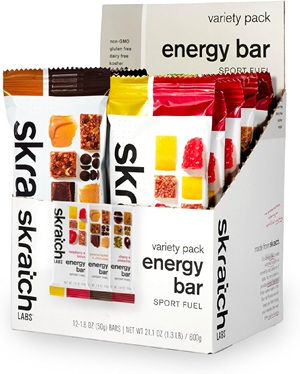
Weight: Approx. 1.76 oz per bar (12-pack, approx. 21.2 oz total) Dimensions: Box dimensions vary by flavor, check the current listing Specific Features: Non-GMO, gluten-free, soy-free, vegan, kosher, low sugar Best Use: Hot-weather and desert hiking, endurance activity where heat resistance matters
Description: Skratch Labs built this bar around real food rather than protein isolates or brown rice syrup, and it shows in both the ingredient list and the way it holds up in your pack. It carries roughly half the sugar of many leading energy bars, around 9 to 11 grams versus 21 grams in some competitors, while still delivering the carbohydrates, protein, and fat needed to sustain endurance activity like hiking, cycling, or running.
What sets this bar apart specifically for hikers is its heat resistance. Because it skips the chocolate coatings and soft syrup binders that cause other bars to soften or separate, it holds its shape notably well in high temperatures, making it one of the better choices for summer trail days or desert conditions where a melted, sticky bar is a real problem.
Related: Skratch Labs also makes Energy Chews in a similar low-sugar, real-food formula if you want a fast-carb option alongside the bar.
 12. Taste of Nature Organic Snack Bars
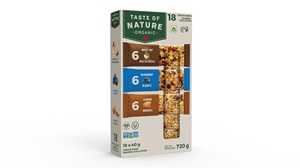
Weight: 40g (1.4 oz) per bar (18-pack variety, approx. 25.2 oz total) Dimensions: Box dimensions vary by pack size, check the current listing Specific Features: Gluten-free, USDA Organic, kosher, low glycemic Best Use: Multi-purpose nutritional bar, well suited to hikers, backpackers, and diabetic hikers watching blood sugar
Description: Taste of Nature bars are built to adapt to a wide range of dietary needs at once, kosher, gluten-free, and certified organic all in one bar, and they genuinely taste fresh, closer to something homemade than something off a factory line. They’re built from whole nuts, seeds, and berries, so you know exactly what you’re eating, and the brand skips additives, sulphur dioxide, wheat, gluten, and added sugars entirely.
Because these bars sit low on the glycemic index, they’re a solid option for diabetic hikers who need steadier blood sugar control on the trail. The brand also puts a portion of each sale toward Ecosource’s sustainable farming initiatives, a nice bonus if you care about where your trail snacks come from. The main downside is price, these run higher than a typical snack bar, though the ingredient quality and dietary flexibility make the case for it.
Related: If you’re hiking with kids, 18 Rabbits Jr. Organic Granola Bars offer a nut, wheat, soy, and dairy-free alternative worth packing alongside these.
Choosing the Right Bar for Your Hike
- Short day hikes: A single carb-forward bar like Larabar, PROBAR Fuel, or Bobo’s Oat Bars is usually enough.
- Long day hikes or steep climbs: Pair a sustained-energy bar like Clif Bar or GoMacro with a fast-acting option like Honey Stinger Chews for the toughest stretches.
- Multi-day backpacking trips: Prioritize calorie density and shelf stability. PROBAR Meal and Skratch Labs’ bar both hold up well over several days in a pack.
- Post-hike recovery: Reach for a higher-protein bar like Clif Builders or RiseBar within an hour of finishing to support muscle recovery.
- Dietary restrictions: GoMacro, RiseBar, PROBAR, and Taste of Nature all cover a wide range of allergy and diet needs, from paleo to nut-free to low glycemic.
- Hot or desert conditions: Favor bars without chocolate coatings or soft syrup binders, such as Skratch Labs or Kate’s Real Food, since they hold their shape better in the heat.
Frequently Asked Questions
What is the best energy bar for hiking?
There’s no single best bar for every hiker, but Clif Bar and Kate’s Real Food are consistently rated among the top all-around choices for day hikes, thanks to their balance of carbohydrates, real ingredients, and heat resistance.
What energy bar has the most protein?
Clif Builders leads this list with 20 grams of plant-based protein per bar, making it one of the strongest options for post-hike muscle recovery, though its thick, chocolate-coated texture makes it better suited to a rest stop than eating on the move. RiseBar is a close second at 15 grams per bar.
What ingredients should I avoid in an energy bar?
Watch for sugar alcohols like maltitol, sorbitol, xylitol, and isomalt, along with hydrogenated oils and vegetable glycerine. These ingredients can cause bloating and digestive discomfort, which is worth avoiding several miles into a hike.
Do energy bars melt in hot weather?
Bars with chocolate coatings or soft syrup binders, like Clif Builders, can soften or melt in a hot pack. Bars built around real oats, nuts, and dried fruit without a chocolate shell, such as Skratch Labs’ Anytime Bar or Kate’s Real Food, hold their shape much better in warm conditions.
Are homemade energy bars better than store-bought ones?
Store-bought bars offer convenience and consistency, and the options above are all built from real, whole ingredients rather than fillers. Homemade bars let you control sugar content even further and often cost less per bar. Many hikers use a mix of both, depending on the trip.
Final Thoughts
The right energy bar depends on what you need it to do: steady fuel for a long climb, a fast carbohydrate hit for a steep push, a protein boost for recovery, or a bar that fits a specific dietary need. Try a few from this list before committing to one, and consider keeping a couple of different types in your pack so you’re covered no matter what the trail throws at you.
For more on fueling your hikes, see our guides on how to make energy bars for hiking and the best hiking snacks to pack alongside your bars.

Daniel is a gear freak when it comes to hiking, climbing and camping. He went to REI Outdoor School to meet new people and learn best practices. Don’t even try to argue with him about the latest backpack or ice axe, he tried most of them. Daniel’s dream is to climb Mount Everest.
I’m big fan of LaraBar, it’s gluten-free, which I like. Also, it has A LOT of different flavors! It is a delicious blend of unsweetened fruits, nuts, and spices. And more importantly, it’s made from whole food and as close to the natural state, as possible. Great for on the go!
I love those bars! They give us a ton of energy without too much sugar. I always bring a lot of these on my camping trips since we do trek a lot. There’s a lot of activities going on in camp and sometimes, these bars are my first line of sustenance! 🙂
Bobo’s: they’re not much to look at in terms of the packaging but, as they say, you should never judge a book by its cover! I’ve tried a fair few of the flavors and have been impressed by all of them. Whilst the flavors are quite subtle, the actual bar is moist and chewy. Has more of a homemade granola bar taste to it rather than an artificial, processed sugary taste that some of the other bars tend to have. I’d recommend the Apple Pie or Maple Pecan flavors.
I agree. Their gluten free oat bars are the best. Or the original. I like mine without too much fuss or flavor, that’s why. I also like their packaging. For a change, I can actually see what I’m getting, which is cool! Kate’s Stash bars are also great, by the way.