
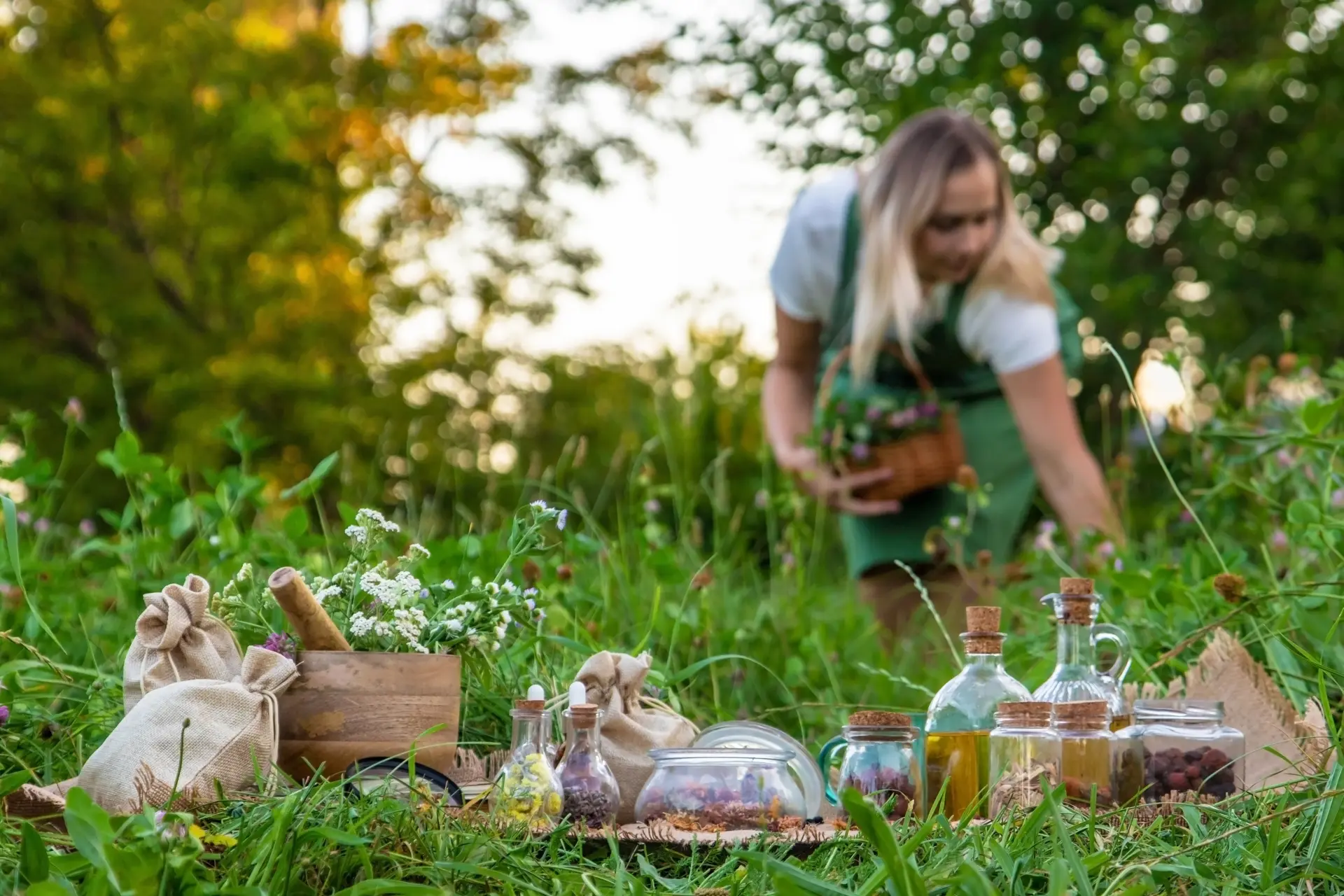
We all know that food sustains life, that’s why we never forget to bring rations with us when we venture out into the wild. But there’s a limit to how much food we can carry; a hiker or backpacker would not go over the rule of thumb of packing 2.5 pounds of food for each day that they spend outdoors, and that’s already counting in the extras.
Should the worst happen and you get stranded in the wild, that amount of food will last you for two, perhaps three more days. But what happens if help takes longer than that to arrive? You’ll need to know how to find food in the wild.
Nature surrounds us, but the wilderness can be an unforgiving, deceptive grocery store. The core objective is straightforward: you must identify what will keep you alive and separate it completely from what will kill you.
Therefore, the key to survival is to be able to tell which plants or insects (yes, insects like scorpions) are poisonous and which are not, learn how to set traps or use simple tools to catch wild animals to eat, and be able to prep or cook the stuff properly to avoid getting sick afterward.
This guide provides the specific frameworks I use to forage plants, trap game, and harvest insects safely. I have broken the strategy down into clear sections to help you identify, harvest, and prepare wild resources. Let’s begin!
Wild Survival Safety Protocols
I must start with an important word of caution. Foraging carries inherent risks. Misidentifying a plant or consuming the wrong resource can cause severe illness, disabling cramps, or even fatal poisoning.
This guide serves educational purposes, and you should always cross-reference wild food sources with localized knowledge whenever possible. In other words – it’s up for you to decide that what you it is indeed safe to eat.
Foraging for Edible & Useful Plants
Carrots, lettuce, cucumber, onions, and a healthy helping of fresh, colorful bell pepper: that is what my favorite salad is usually made from. Unfortunately, those are all farm-grown vegetables, so you will not find them growing wild. To survive in the wilderness, you must expand your palate and learn to harvest wild vegetation.
Edible Plant #1: Wild Asparagus
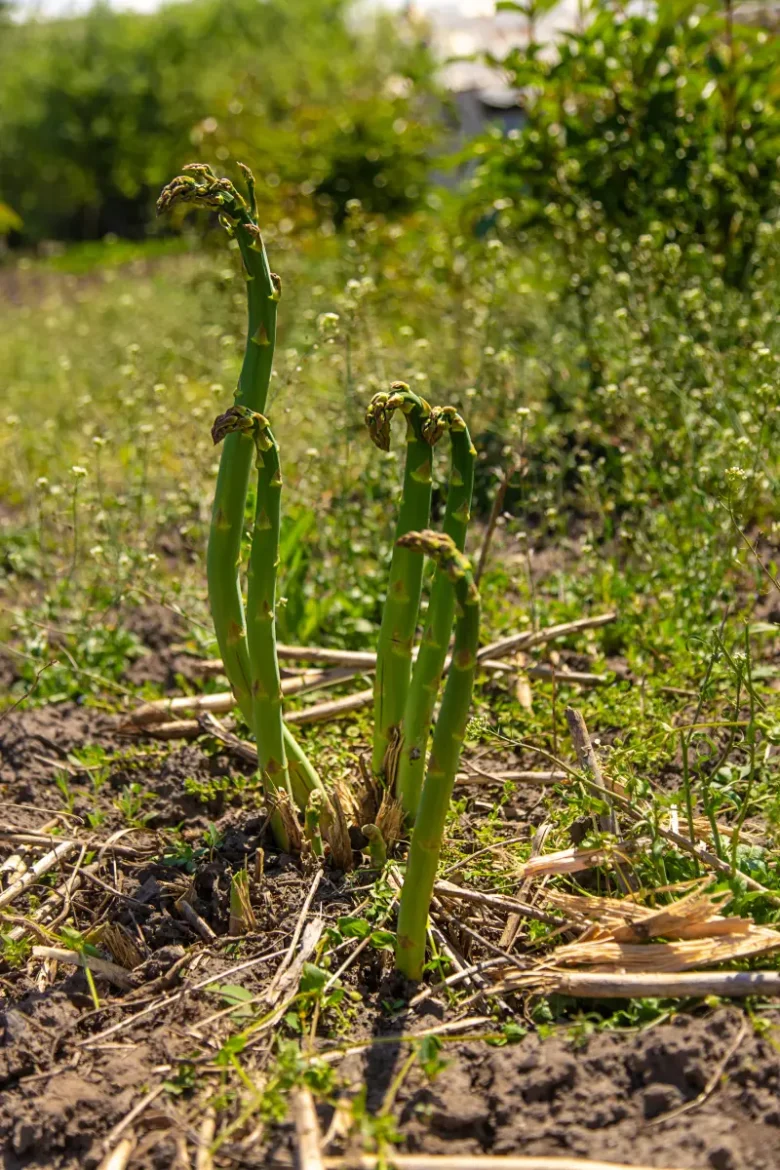
Asparagus is one of the easiest wild plants to recognize due to its distinct shape and strong, urine-like smell. Take note that the ones you’ll find in the wild have a much thinner stalk than what you usually see at the local stores, though.
Nonetheless, wild asparagus is just as nutritious – if not more so – than store-bought ones. Rich in vitamin B6, potassium, thiamine, and vitamin C, asparagus will tide you over and keep you fresh and alert to better face any challenges that lie ahead.
It’s also a great source of water, so it’ll keep you hydrated if water is an issue where you are. Here’s how you harvest and prep it:
- No need to root it out – just snap the stalk about ten inches from the top.
- Clean it with water (if available).
- You can eat it raw, but it’s usually quite tough and difficult to chew through, especially around the base. You can remove the base with a knife or cook it.
- It is recommended that you soften and purify it first by cooking it in boiling water for around 20 minutes.
Edible Plant #2: Clovers
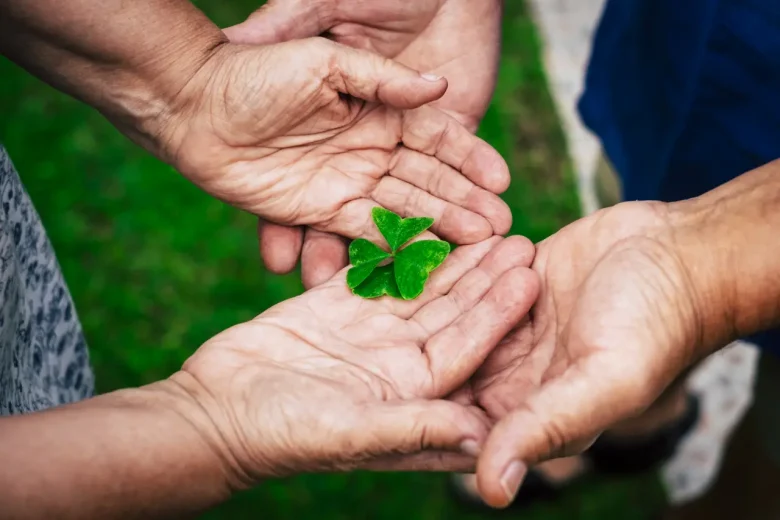
Clovers are the symbol of luck – not just the four-leafed ones, but the ordinary ones as well, since if you happen to spot them, it means you won’t have to go hungry. They serve as a reliable source of protein and grow in abundance, allowing you to harvest substantial quantities quickly.
Eat some so you’ll have the energy to face the trials ahead.
- Clovers are easy to spot. They usually have three leaves with a rounded edge, and they are widespread along the ground; they grow in large groups, so you can take as many of them as you want. The flowers are edible too.
- After you’ve cleaned them, you can put them in your mouth and chew them up without any preamble.
- However, clovers can be hard on the digestive system. We recommend mashing them into a pulp first.
- If you’ve got a way to boil water, you can also make yourself a cup of clover tea. It’ll help calm you down so you’ll be able to think clearly again.
Edible Plant #3: Dandelion

Due to their distinct appearance, dandelions are easy to spot and thus make for a great food source in the wild. It helps that dandelion is a type of weed – and like all weeds, they are the master of fast reproduction.
Where you find one, you’ll typically find plenty more.
- While we usually associate dandelion with a crown of white, fluffy hair, they actually also come in pretty yellow blossoms. Both types are 100% edible.
- You can eat the flower raw – right after you’ve cleaned it, of course.
- For the leaves, you’ve got to be a bit choosier. Avoid old and full-grown dandelions and keep an eye out for young, budding ones. It’s not that dandelions grow poisonous as they get older; it’s just that the young ones taste better because they are less bitter. If you can’t tell the difference, just pick any and boil them all for around 10 minutes to get the bitter taste out.
- If you want to eat the roots, you’ll also have to boil them first. Don’t throw away the water you’ve steeped the dandelion roots in after you’re done; drink it – the dandelion tea will soothe your nerves.
Edible Plant #4: Cattail
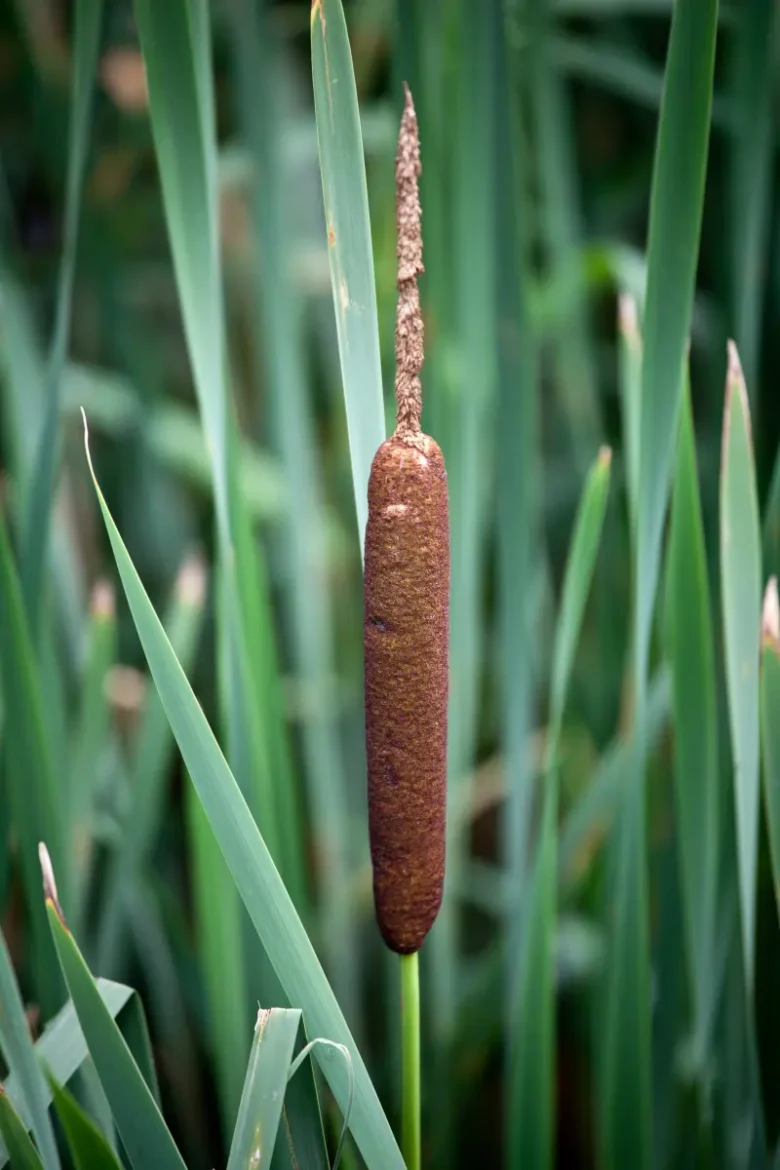
Meet your new survival best friend: the cattails. These brown, cigar-shaped plants are as easy to recognize as they come, and they are pretty common, especially if you happen to find yourself somewhere around wet marshlands.
The cattails are an awesome, all-purpose plant. If you’re skilled at handcrafting, you could make sturdy baskets, mats, or ropes out of them. Most importantly, those brown heads catch fire really easily, especially if you help them along by first dipping them in oil or fuel.
You can use them as makeshift torches or to make a fire pit. Once you’ve gotten the flame going, it’s time to get cooking.
- You will want to avoid the stalk since it’s too thin to really make anything out of. Focus on the upper and lower ends of the plant.
- Whether you decide to go for the rootstock or the flower spikes, wash them clean.
- You can eat the roots raw. Just make sure to stick to the bottom parts that are white in color and remove the rest as much as you can. You can also boil the roots to steep tea or just to remove the bitter taste before you eat them.
- It’s the same with the flower spikes—eat them raw or boil them. These are best eaten when they are young and still growing; for cattails, that usually means during the early days of summer.
- The leaves are also edible. Just make sure to boil them first, or they will taste rough and bitter.
Edible Plant #5: Burdock

If you live in an area with wild burdock, you have probably spent time picking their annoying, prickly seed pods out of your clothing. But if you spot burdock while lost in the woods, you should consider it a massive stroke of luck.
Burdock roots and stalks are packed with fatty acids, carbohydrates, and antioxidants. The plant also contains natural antibacterial properties. This means you can consume it to fill your stomach, or crush the leaves to dress minor skin injuries and ward off infections.
- The edible parts of burdock are the stalks, leaves, and the roots.
- The roots and the stalks can be peeled, then immediately eaten raw – although boiling them for 15 minutes first is recommended.
- As for the leaves, you’ll need to boil them for twice as long – around 30 minutes – because these are really bitter.
Edible Plant #6: Amaranth
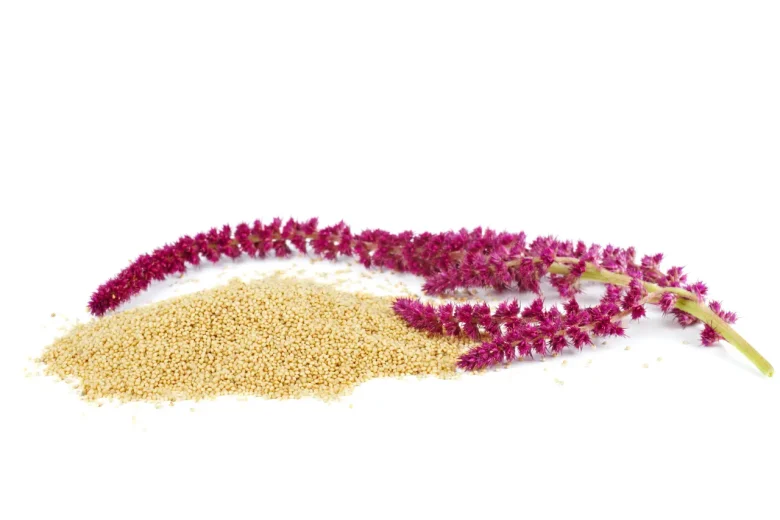
When you need to replenish essential minerals like iron, magnesium, and calcium, amaranth is your best option. It contains three times as much calcium as spinach, making it an incredible nutritional asset.
However, amaranth can be a double-edged sword. The plant naturally accumulates high concentrations of nitrates from the soil. While it will not poison you instantly, eating large quantities of raw amaranth can cause digestive distress and long-term health issues.
- The plant is 100% edible. Just make sure to prep the parts that you plan to eat first.
- Boil the parts for a good 20 to 30 minutes, then throw the water away once you’re done. Avoid drinking it as tea.
- As mentioned, it is not recommended that you eat the plant raw; but if you’ve been pushed into a corner, it’s okay to do that. The most important thing right now is to ensure that you don’t die of starvation.
Your choices for wild greens extend far beyond these options. I have focused on widely recognized plants that a reader can easily identify by name and appearance.
If you possess a deeper interest in botany, you might also look out for wood sorrel, white mustard, purslane, and the edible pads of the Opuntia cactus.
If instead of the kingdom of Plantae you’re better-versed in the kingdom of Animalia, then the next category may be of interest to you.
Catching Fish and Other Wild Animals
We have separated this section into two different categories, fish-angling and game-trapping. No matter which of them you think will be more useful to you in the long run, we recommend that you go through both. Better safe than sorry, because out in the backcountry, adaptability keeps you alive.
Meat Source #1: Fish
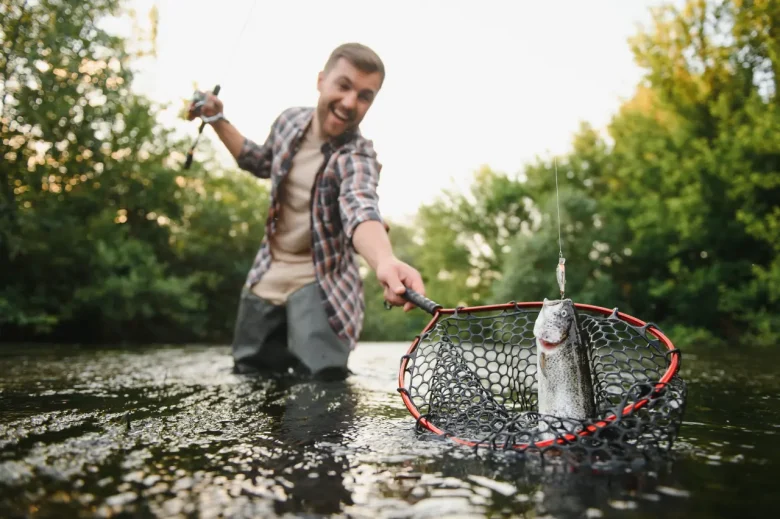
If you’re stranded near the river or on a deserted island in the ocean, then as long as you know how to fish, you won’t have to worry about going hungry. But be warned that that by “fishing,” we mean survival fishing.
Survival fishing includes several different methods:
Hand Fishing: It is far from easy and can feel unsettling the first time you try it. But once you acquire the physical technique, you can secure an excellent food source that will sustain you for days. The best target for this method is catfish, so I always look for deep, murky holes along riverbanks.
If you find a catfish lounging in a hollow space, block the exit route with your body and thrust your hands into the cavity to snag the fish securely by the gills. It is a primitive method, but it delivers immediate results.
Makeshift Fishing: I always pack a basic emergency kit containing a spool of high-test line and a few small hooks when I head into the wilderness. And always have a reliable bushcraft knife on hand.
Even without a traditional fishing pole, you can secure a substantial dinner.
Dig into damp earth to find a wild earthworm or grasshopper, attach it firmly to the hook, and lower it into the current. I always make sure to wear heavy gloves when pulling a fish out by hand. Pulling a taut, wet line with bare skin is an easy way to cause deep, disabling lacerations.
Spear Fishing: If hand fishing feels too invasive, spear fishing is an excellent alternative. It gives you the advantage of selecting your specific target before striking.
This method requires sharp hand-eye coordination because light refraction through water creates an optical illusion, making fish appear closer to the surface than they actually are.
I recommend crafting a specialized spear using a flexible green willow sapling. Split the tip of the shaft into four distinct prongs and use small twigs to wedge the points apart. When you thrust down hard on the target, the prongs spread open and pin the fish securely to the riverbed.
Meat Source #2: Land-Based Game
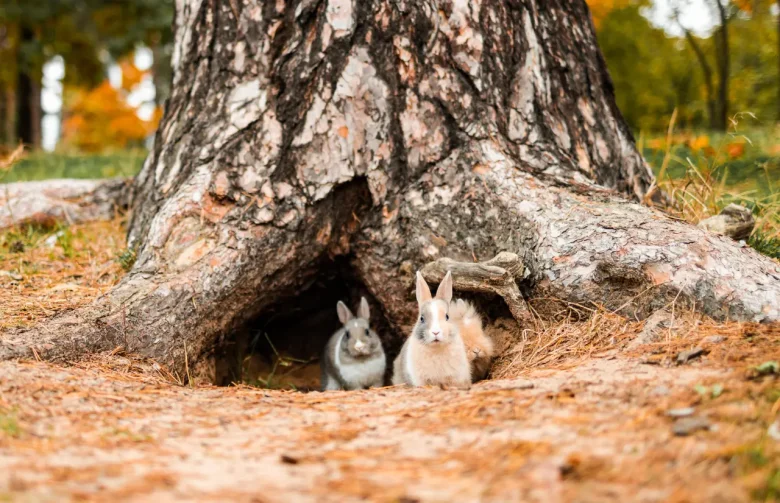
Skinning land-based game such as rabbits and deer is definitely harder and gorier than filleting fish, but if fishing is a no-go for you for some reason, you will want to have an alternative at hand.
If you’re skilled and you’ve got a weapon (such as a gun or perhaps even a bow and an arrow) with you, it’s just a matter of sniffing out the prey.
If the direct route is impossible, however, don’t worry because you can still set up some simple traps:
Deadfall Trap. This is a classic gravity-driven trap designed to crush smaller prey like rabbits, squirrels, or lizards.
It utilizes a heavy, flat rock or a weighted log propped up at an angle by a precise trigger mechanism made of three carved sticks.
You place a highly aromatic bait on the trigger stick. When the animal moves into the trigger area to feed, the mechanism collapses instantly, and the weight comes crashing down.
If you cannot locate a heavy rock, you can use a sturdy woven basket weighted down with heavy stones.
Spring Snare. If you have a rope with you, tie one end to the branch of a tree and pull it down until it’s straining.
Tie the middle of the rope onto a piece of wood you’ve staked into the ground, then leave the other end of the rope hanging after you’ve tied it in the shape of a noose.
You can catch anything from a boar to a deer with this simple trap. Once they are caught in the noose, the stake would come off, and the tree branch will fly upwards, dragging the game by the neck with it. The key is to find a tree branch that’s easy to bend but won’t snap off easily.
Surviving on Edible Insects
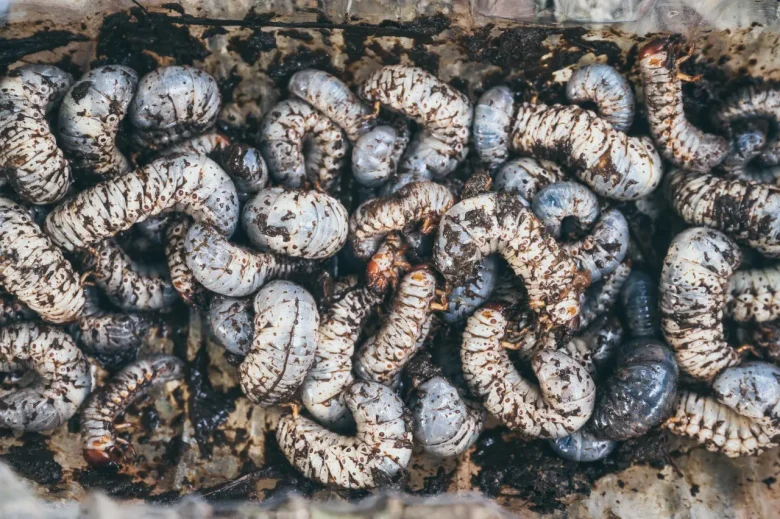
If you have no access to plant life, fish, or mammals, you must turn to insects. They might look unappealing, but bugs represent an incredibly dense source of protein, healthy fats, and omega 3 fatty acids.
A small handful of insects can provide the precise caloric boost needed to prevent muscular atrophy and keep you moving.
Not all insects are safe for human consumption. Many brightly colored bugs or those that emit strong, pungent odors are highly toxic. The specific insects you can safely consume include:
Beetles
Although beetles are usually found solo, they are the giants of the insect kingdom, so they won’t be hard to spot. They can usually be found hanging around damp or rotting wood. Don’t eat them raw; cook them first by roasting over a fire. Then you can stuff them into your mouth right away or crush them to use as seasoning.
Ants
Capturing individual ants is a waste of precious physical energy, but you can harvest them in bulk if you locate a mature anthill.
Gently poke a long, smooth stick into the center of the nest. To protect their colony, the worker ants will immediately swarm up the shaft.
When the stick is covered, quickly dunk it into a deep container filled with water to wash them off.
Boil the captured ants for 10 minutes before eating. You must never eat them raw because their bodies contain high amounts of formic acid, which causes painful gastric irritation if ingested alive.
Maggots
Maggots are perhaps the easiest type of bug to find out in the wild. Anywhere there is a dead body, you can count on finding maggots nearby. They can be eaten raw, but they taste better (arguably) if you cook them first.
Grasshoppers and Crickets
Grasshoppers and crickets are some of the safest, most abundant insects you can forage in open grasslands. Because they move quickly, catching them by hand during the heat of the day can burn more calories than they provide.
Instead, hunt for them in the early morning when the dew keeps them cold and sluggish. You can also bury a smooth plastic water bottle with the top cut off to form a funnel, placing a piece of wild fruit or a light source inside to act as a trap.
They jump in to feed and cannot climb the slick walls. Always roast them thoroughly and pull off the large hind legs and wings before eating to avoid internal digestive obstructions.
Earthworms
You might be wondering: why would you want to actively seek out these parasites and willingly eat them? That’s because they are a great source of protein.
If you prefer the chewy texture over the crunchy texture, earthworms are a great alternative. Make sure to boil them first because if you swallow them alive, you run the risk of becoming their food source instead of the other way around.
For even more options, check out my article detailing the types of edible snails.
Wrap Up
The wilderness is incredibly beautiful, which is why so many of us are drawn to explore it. But never forget that nature can turn unforgiving in a matter of minutes.
When a sudden storm or a broken ankle leaves you stranded, knowing how to extract nutrients from your immediate surroundings changes everything.
Stay calm, analyze your resources, and utilize these techniques to sustain your body until rescue teams find your position.
Have you ever been stranded in the wild? What did you do to make sure you live to see another sunrise? If you’ve got any opinions, suggestions, or related story, please share them with us in the comments section below.

Daniel is a gear freak when it comes to hiking, climbing and camping. He went to REI Outdoor School to meet new people and learn best practices. Don’t even try to argue with him about the latest backpack or ice axe, he tried most of them. Daniel’s dream is to climb Mount Everest.