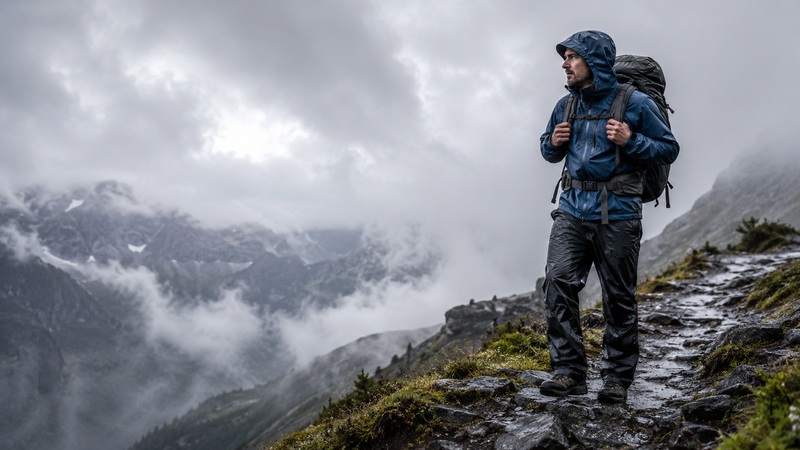
To stay dry backpacking in the rain, wear a waterproof hard shell jacket over moisture-wicking (not cotton) layers, keep your gear dry with a pack liner and dry sacks rather than relying on a pack cover alone, choose waterproof footwear with deep-lug soles, and pitch a well-tested tent on high ground. Watch for trail hazards like swollen creeks and flash floods, know the signs of hypothermia, and keep one dry set of clothes sealed away for camp. With the right gear and mindset, rainy backpacking means empty trails, more wildlife, and nature at its most peaceful.
Serious backpackers don’t let rain, sleet, or snow stop them, and wet-weather trips have real upsides. When it rains the trail isn’t dusty, crowds thin out, and you often see more wildlife and experience nature in a completely different way. Rain does make things harder, though, since it’s cold, wet, and visibility drops, and an unprepared trip can turn miserable fast. The good news is that wet-weather backpacking is a skill you can learn. Knowing how to prepare and what to expect is the difference between a memorable adventure and a soggy ordeal, so here’s everything you need to know to stay dry and enjoy it.
It’s All About the Gear
The right gear turns a downpour from a problem into a non-issue. Get your clothing, pack protection, and footwear sorted and you can focus on the quiet, crowd-free trail instead of the weather.
Clothing
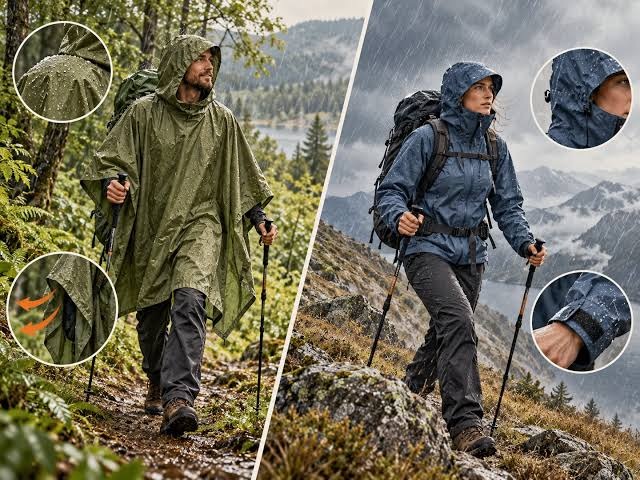
It’s easy to shrug off the weather when you’re dressed for it. If rain is in the forecast, wear proper waterproof clothing, since a soft shell jacket often isn’t enough. Opt for a hard shell rain jacket for full waterproof protection. Avoid cotton entirely, especially next to the skin, because it soaks up water and doesn’t wick moisture. Choose moisture-wicking base layers in wool or synthetic instead, which keep you warm and comfortable under your shell even when damp.
If you already own waterproof gear, check its Durable Water Repellent (DWR) coating before you go. Splash a little water on it, and if the drops bead up and roll off, you’re good. If they soak in, renew the coating with a DWR spray to restore performance. Keep your feet dry too, since waterproof footwear is best when temperatures drop. Non-waterproof mesh shoes work in mild conditions, but you’ll want deep-lug soles for traction on mud and slippery logs. A pair of rain pants is a solid choice, and for more breathability add gaiters to keep water out of your socks and boot tops. Pack an extra pair of pants as well.
Pack Protection
Your pack needs to stay dry so its contents are usable at camp. Most packs are made from water-resistant fabric, but their seams usually aren’t sealed, so water still gets in. Use a pack rain cover if yours didn’t come with one, or wrap the pack in a trash bag in a pinch. Even better, line the inside with a pack liner or a trash compactor bag, and use smaller zip-top bags to keep items dry in the outer pockets.
Protect your essential gear (sleeping bag, clothing, electronics, food) inside lightweight dry sacks. A sleeping bag’s stuff sack is great for compression but rarely waterproof, so slide it into a dry sack or compactor bag to keep your bed dry. A waterproof phone case adds protection for your phone, GPS, and other electronics.
Rain Gear Checklist
| Item | Why it matters |
|---|---|
| Hard shell waterproof jacket | Primary barrier against rain |
| Moisture-wicking base layers | Warmth that works even when damp |
| Waterproof footwear with deep lugs | Dry feet and traction in mud |
| Rain pants and gaiters | Keep legs, socks, and boot tops dry |
| Pack liner and dry sacks | Keep gear dry from the inside out |
| Pack rain cover | First line of defense for the pack exterior |
| Extra clothes and socks | Dry change at camp, blister prevention |
| Trekking poles | Stability on slick, uneven ground |
| NOAA weather radio | Track incoming storms |
Identify Trail Hazards
Trail hazards are the main reason people avoid rainy trips, and a storm system can add real danger, so prepare for it. Check and monitor the forecast before deciding whether to hike. If you don’t need to move camp, stay dry in your tent and ride out the weather, making sure your tent is secure and your gear and food are stored inside. If it’s windy, clear the area of debris that could puncture your tent.
If you do need to move, deep-lug soles help you handle mud and slippery surfaces, but stay careful even in the right footwear to avoid a face-first fall. Trekking poles add valuable stability in the rain. One of the biggest dangers of the rainy season is swollen rivers and creeks, which rise quickly and run higher and faster. Unbuckle your hip belt before crossing so you can ditch your pack if you slip into fast-moving water, and in canyon country always check the forecast and watch for higher ground because of flash floods.
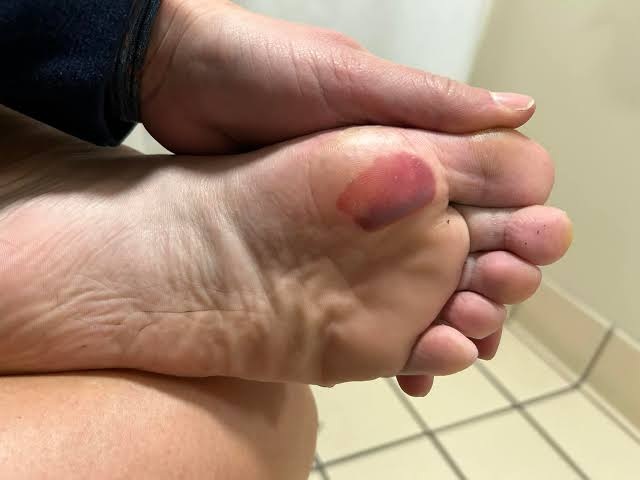
Hypothermia is a serious threat when you’re miles from help, so learn to recognize the signs and how to respond. Wear wool or synthetic clothing that insulates even when damp, and keep eating and drinking regularly, since it’s easy to forget hydration in the rain. Eat and drink on the move if you can’t stop. For foot care, read our guide on how long a blister takes to heal, since wet feet blister easily.
Campsite Strategies
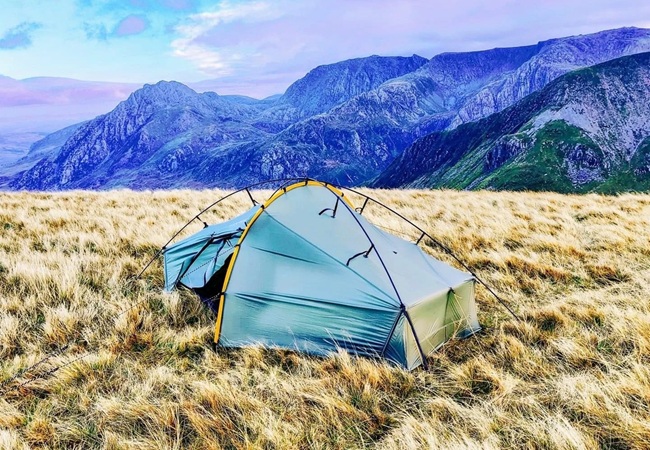
A good campsite makes for a comfortable night. Look for higher, drier ground, and consider a spot under tree cover, which creates a slightly warmer microclimate with less condensation. Avoid camping under damaged limbs or dead trees, though, since wind can bring branches down on you. Orient your tent door away from the wind to keep rain from blowing inside.
Be able to pitch your tent fast, and if it’s new, practice at home first. Here’s a correction to a common myth: a tent that pitches fly-first or all-in-one is actually an advantage in rain, because the inner stays protected while you set up, whereas an inner-first tent exposes the mesh body to the rain. Whichever design yours is, know how to pitch it quickly. Use a tent footprint for an extra waterproof layer between your tent floor and the wet ground, and for a cheaper option see our guide on making a DIY tent footprint.
If you’re with others, ask a campmate to hold the rainfly over the inner while you pitch, which keeps rain out of the main tent. Tighten the rainfly and stake the guylines before you climb in. Open vents at opposing ends to reduce condensation, and check them regularly so they’re not letting rain in.
Take Time to Dry Out
When the sun finally breaks through, seize the chance to dry your gear. Rig an impromptu clothesline with cord between two trees and hang your wet clothing. If it’s still raining, string the line under a tarp or other waterproof cover so clothes can still dry. A midday change into dry pants, socks, and a base layer lifts your spirits and helps ward off hypothermia. Keep one dry set of clothes sealed in a plastic bag and don’t open it until you’re inside the tent, since dry clothes do wonders for both comfort and morale.
More Tips to Stay Dry
- Always check the local forecast, and carry a NOAA weather radio so you know what’s coming and can make smart decisions on the trail.
- When rain starts or threatens, take five minutes to waterproof your pack. Never assume a pack is waterproof even if it claims to be, since light showers penetrate seams and stitching.
- Remember that pack covers don’t protect the back panel, where water runs off your jacket and soaks through. Protecting the inside with a liner and plastic bags is usually more reliable.
- Avoid cotton and denim, which absorb moisture and get heavy when wet.
- Use your jacket’s pit zips, wrist straps, and main zipper to regulate temperature, leaving some open to prevent overheating. A lightweight shell with good ventilation is ideal.
- Stay alert to your surroundings, since flash floods, mudslides, and rockslides are more common in heavy rain.
- Test your shelter before the trip. An old tent may have holes you can’t fix in camp, and with a new one you’ll want to pitch it fast.
- Pack blister supplies, since moisture makes feet more blister-prone, and carry several pairs of moisture-wicking socks.
- Always bring extra clothes, one of the Ten Essentials, and don’t skimp in wet or cold weather.
- Keep your map in a zip-top bag unless it’s already waterproof.
Frequently Asked Questions
Is it safe to go backpacking in the rain?
Yes, with preparation. Rain itself is manageable with waterproof gear and dry layers, but you must watch for hazards like swollen creeks, flash floods, mudslides, and hypothermia. Check the forecast, avoid canyon bottoms and water crossings in heavy rain, and know the signs of hypothermia before you set out.
What should you wear backpacking in the rain?
Wear a waterproof hard shell jacket over moisture-wicking wool or synthetic base layers, never cotton, which stays wet and cold. Add rain pants, gaiters, and waterproof footwear with deep-lug soles for traction. Use your jacket’s pit zips and vents to avoid overheating and sweating through your layers.
How do you keep your backpack dry in the rain?
Use layered protection. Line the inside of your pack with a waterproof pack liner or trash compactor bag, stow essentials in dry sacks, and add a rain cover on the outside. A pack cover alone isn’t enough, since water runs down your back panel and seeps through unsealed seams.
How do you keep your sleeping bag dry while backpacking?
Most stuff sacks aren’t waterproof, so slide your sleeping bag inside a dry sack or trash compactor bag within your pack. Keep it in the pack liner too, and never strap it to the outside in wet weather. A wet sleeping bag loses insulation and can quickly become a safety issue.
Should you camp under trees when it’s raining?
A spot under healthy tree cover is often warmer and produces less condensation than open ground. Never camp under dead or damaged limbs, though, since wind can bring them down. Pick higher, drier ground, orient your door away from the wind, and use a footprint under the tent.
How do you prevent hypothermia backpacking in the rain?
Stay dry, wear wool or synthetic layers that insulate when damp, and change into dry clothes when you can. Keep eating and drinking to fuel your body heat, add layers before you get cold, and learn the early signs like shivering and clumsiness so you can act before it becomes dangerous.
Wrap Up
With the right mindset, a rainy forest becomes a beautiful, peaceful place with the trail all to yourself. If you backpack long enough, you will meet rain eventually, and knowing what to do and what gear to bring makes all the difference between a miserable slog and a memorable trip.
Follow these tips and you’ll stay drier, warmer, and happier out there. Rainy backpacking can be an acquired taste, but the solitude, wildlife, and mystical setting have a way of becoming addictive, so it’s worth trying at least once. Have you backpacked in the rain? Share your own tips in the comments below.