
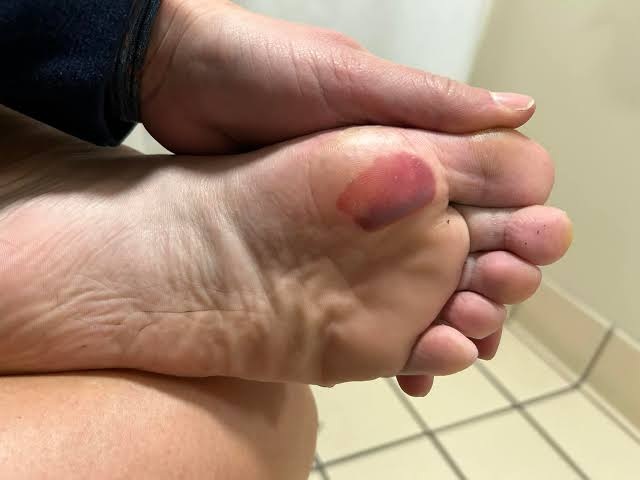
Most friction blisters heal in about one week if they’re left intact and protected from further rubbing. Healing time depends on the cause and size: friction and blood blisters take roughly a week, sunburn blisters about a week, cold sores (fever blisters) 8 to 10 days, and insect-bite blisters anywhere from a few days to several weeks. The fastest recovery comes from keeping the blister clean, cushioned, and free of pressure, and only draining it with sterile technique if it’s large and painful.
Medical disclaimer: This article is general information, not medical advice. If a blister is large, very painful, on someone with diabetes or poor circulation, or shows signs of infection, see a healthcare professional.
Blisters are nobody’s friend. Whether yours came from ill-fitting shoes, hours on your feet, too much sun, or an insect bite, it’s a painful reminder that feet need decent gear and a little care to handle the outdoors. Reaching the midpoint of a hike and feeling that nagging rub at your heel is one of the most frustrating problems to deal with, and knowing how to heal a blister faster gets you back on the trail sooner.
A confident stride can quickly turn into a careful limp, and a great day out can sour fast once a blister sets in. Wearing well-fitted shoes goes a long way toward keeping your feet healthy, but blisters are something nearly every hiker knows, and even seasoned walkers get them. So let’s look at how long you can expect a blister to last and how to speed things along.
See also: How to Break in Hiking Boots, which helps prevent blisters in the first place.
Average Blister Healing Time
Most blisters heal quickly and disappear without a trace, while some are more stubborn and need a little help. Smaller blisters heal faster, and larger ones naturally take longer. A big factor is what caused the blister in the first place.
It’s important to note that any blister that isn’t a simple friction, sunburn, or insect-bite blister, or that appears for no obvious reason, should be checked by a qualified healthcare provider to rule out anything serious or contagious. Here are the common blister types and their typical healing times.
| Blister type | Typical healing time | Notes |
|---|---|---|
| Friction blister | About 1 week | Most common in active people; leave intact if possible |
| Blood blister | About 1 week (longer if large) | Same care as friction blisters |
| Fever blister (cold sore) | 8 to 10 days | Caused by a virus and contagious; don’t pick |
| Insect-bite blister | A few days to several weeks | Watch for infection or a severe reaction |
| Sunburn blister | About 1 week | Keep cool and out of further sun |
Friction Blister
Healing time: about 1 week. A friction blister is the most common type on active feet, caused by repeated rubbing and abrasion on one area of skin. A new layer of skin forms beneath the damaged layer, so quick recovery depends on keeping the area protected and free of further rubbing. With no continued pressure, it should heal within a week and leave no scarring. If one starts forming mid-hike and you have to keep going, applying a blister plaster, moleskin, or a lubricant can reduce friction and stop it from worsening.
Blood Blister
Healing time: about 1 week. Some blisters fill with clear fluid and some with blood, but there’s no major difference in how they heal. A blood blister simply means small blood vessels were damaged and bled beneath the skin. Treat it like a friction blister, leave it alone unless it becomes very painful, and it should recover in a similar timeframe.
Fever Blister (Cold Sore)
Healing time: 8 to 10 days. Fever blisters, also called cold sores, usually appear around the mouth and are caused by the herpes simplex virus, which means they are contagious. They typically clear within 8 to 10 days and leave little to no scarring. Don’t scratch or pick them, since that can spread the virus, cause further trauma, and lead to scarring. Antiviral creams can help if used early.
Insect-Bite Blister
Healing time: a few days to several weeks. Bites from bees, ants, mosquitoes, wasps, and ticks can all blister. These can be painful and may take several weeks to fully resolve. Seek medical attention if you see signs of infection, or if the reaction seems disproportionate or severe, and be especially mindful of tick bites given the risk of tick-borne illness.
Sunburn Blister
Healing time: about 1 week. Spending time outdoors with unprotected skin can lead to sunburn, and blistering may take a day or two to appear after the burn. Keep the skin cool and shielded from further UV damage while it heals. Note that blistering sunburn is a second-degree burn, so if it covers a large area or comes with fever, chills, or feeling unwell, see a doctor.
These times are approximate and can vary, with the biggest factors being how well the area is protected and allowed to recover.
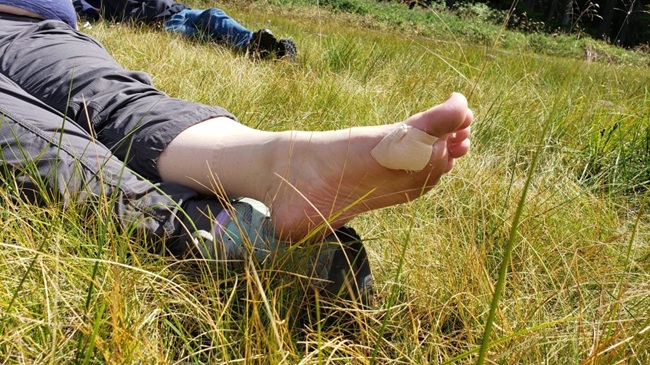
How to Help a Blister Heal Faster
Healing time depends on the blister’s severity, its location, and whether the area can stay clean, protected, and free of further rubbing. The body is remarkably good at healing itself, but a little smart care speeds things along, especially if you’re keen to get back on the trail. For more detail, see our full guide on how to care for blisters.
Should You Pop a Blister?
In general, no. Leaving a blister intact keeps the sensitive skin beneath cushioned and maintains a natural, sterile barrier against infection. Popping it can introduce bacteria, lead to more scarring, and sometimes cause the blister to refill with fluid, which is more painful the second time and extends healing.
The only good reason to drain a blister is to relieve genuinely painful pressure on a large one. If you must drain it, minimize infection risk with these steps:
- Wash your hands and use sterile materials.
- Puncture the blister at a low point on the side using a sterilized needle.
- Gently drain as much fluid as you can without tearing the skin.
- Clean the area, especially the opening, with a disinfectant.
- Leave the overlying skin (“roof”) in place, since it acts as a natural dressing, then cover with a sterile bandage. A waterproof (occlusive) or hydrocolloid dressing is ideal, since hydrocolloid is water- and airtight and absorbs fluid while cushioning the wound.
- Leave the dressing on, changing it only if it starts leaking or peeling, which may be up to several days.
Tape or Cushion the Blister
A blister can be taped or padded to protect it, reduce pain, and prevent further chafing. Make sure any tape or dressing is stuck down securely, because if it peels up it can rub and cause more blistering. Hydrocolloid blister plasters are purpose-built for this and stay put well.
Let It Breathe When You Can
When you’re not on the move, letting an intact or healing blister get some air has a gentle drying effect and often feels more comfortable than keeping a tender spot covered and rubbing against a sock or shoe. On the trail, though, keep it covered and protected while you walk.
Keep It Clean and Use the Right Products
If a blister has an opening, or pops accidentally, clean the area and apply an antiseptic or antibiotic ointment to keep it hygienic, then cover it. A few evidence-based helpers:
- Hydrocolloid blister bandages cushion the blister, absorb fluid, and create a moist healing environment that can speed recovery.
- Antibiotic or antiseptic ointment on a clean, open blister helps prevent infection.
- Aloe vera gel is a gentle, natural anti-inflammatory that keeps skin moisturized, which is especially useful for sunburn blisters.
A note on home remedies: skip putting apple cider vinegar or undiluted essential oils like tea tree oil directly on an open blister. They sting because they’re irritating raw tissue, not because they’re healing it, and they can damage the new skin or trigger an allergic reaction. Stick to clean water, a mild antiseptic, and a proper dressing.
Prevention Is Better Than Cure
The best blister is the one you never get. Reduce your odds with a few habits:
- Wear well-fitted shoes. Footwear shouldn’t slide up and down at the heel, but it shouldn’t be so tight that it pinches either, since both cause blisters. Break in new hiking boots before a big trip.
- Manage moisture and friction. Wear moisture-wicking socks (merino or synthetic, not cotton), and use a blister-prevention balm or foot powder on hot spots. Consider liner socks for long hikes.
- Act at the first hot spot. The moment you feel rubbing, stop and cover the area with tape, moleskin, or a blister plaster before it becomes a blister.
- Protect against sun and bugs. Apply a broad-spectrum sunscreen and a reputable insect repellent when you’re outdoors.
The single most important factor in how fast a blister heals is giving it the right conditions: no continued trauma, clean air when possible, and proper hygiene. Keep rubbing it, keep it dirty, or keep it smothered without care, and it will take far longer to mend.
When to Seek Medical Attention
Most blisters are harmless, but see a doctor if a blister is spreading, feels hot, or shows signs of infection such as increasing redness, swelling, warmth, pus, red streaking, or fever. Infection that takes hold can be hard to control and may need antibiotics. You should also get professional care for blisters if you have diabetes or poor circulation, since foot wounds can become serious quickly, and for any large, deep, or severe burn or allergic reaction.
If a healed blister leaves noticeable scar tissue, keeping the new skin moisturized can help its appearance over time, though the evidence for specific scar treatments like vitamin E oil is mixed. Remember that a blister is your body’s way of creating a sterile, cushioned space while it builds new skin underneath, so working with that process rather than against it is the fastest route to healing. Before you head out, make sure you’re prepared by reading our guide to choosing the best first aid kits.
Frequently Asked Questions
How long does a blister take to heal?
Most friction, blood, and sunburn blisters heal in about a week if left intact and protected. Cold sores take 8 to 10 days, and insect-bite blisters can take a few days to several weeks. Size and continued rubbing are the biggest factors in how long it takes.
Should I pop a blister or leave it?
Leave it intact whenever possible, since the skin protects against infection and cushions the area. Only drain a large, painful blister, and if you do, use a sterilized needle at the edge, leave the overlying skin in place, and cover it with a clean dressing.
How can I make a blister heal faster?
Keep it clean, protected from further rubbing, and cushioned with a hydrocolloid bandage, which maintains a moist healing environment. Avoid popping it, let it breathe when you’re resting, and watch for any signs of infection.
Do blisters heal faster covered or uncovered?
While you’re active, keep a blister covered and cushioned to prevent further damage. When resting, letting an intact or healing blister get some air can help it dry gently. A hydrocolloid dressing offers the best of both by protecting the area while supporting healing.
What should you not put on a blister?
Avoid apple cider vinegar, undiluted essential oils like tea tree oil, and harsh antiseptics on an open blister, since they irritate and can damage the healing skin. Stick to clean water, a mild antiseptic or antibiotic ointment, and a proper dressing.
When should I worry about a blister?
See a doctor if a blister becomes hot, spreads, or shows redness, swelling, pus, red streaks, or fever, since these signal infection. Also seek care if you have diabetes or poor circulation, or if the blister is from a severe burn or a strong allergic reaction.
Final Thoughts
Most blisters are harmless, and the worst of it is usually the sting or ache when they’re touched. Give a blister the right conditions, meaning clean, protected, and free of pressure, and it will usually heal within a week with no lasting mark. Better still, prevent them with good footwear, moisture-wicking socks, and quick action at the first hot spot, and you’ll spend more time enjoying the trail and less time nursing your feet.
What’s the worst blister you’ve ever had, and how did you heal it? Share your story and your own tips in the comments below.


Thank you for this Jerry, this will surely help a lot of people. When I was still a newbie in hiking, this has always been my problem. I really believe that prevention is always better than cure that’s why I made sure to buy the correct shoes with a perfect fit.
It’s a good thing you mentioned when to seek medical attention. Most of the time, we tend to overlook the danger signs because blisters usually just go away after some treatment. It will be harder if the blisters worsen and you end up catching an infection. I will definitely share this to my family and friends.
That is great!
Definitely true!