
Camping is one of the most rewarding outdoor activities you can try. Still, the wilderness rewards preparation and punishes carelessness in equal measure. These camping safety tips will help you plan a trip that stays fun, comfortable, and genuinely safe from the first night to the last.
Ask any seasoned camper and they will tell you the same thing. Safety is the one part of the trip you cannot afford to wing. People underestimate the outdoors all the time, and the backcountry often teaches that lesson the hard way.
So whether this is your first night in a tent or your fiftieth, use this guide as a pre-trip checklist. It covers the basic outdoor survival skills that keep you out of trouble.
Why Camping Safety Matters
Good camping safety is simply the habit of planning ahead so small problems never become big ones. A soaked sleeping bag, an untreated cut, or an unattended fire can each end a trip early. Fortunately, almost all of these mishaps are preventable.
The rest of this guide breaks the essentials into clear, manageable steps. Work through them in order, and you will cover the areas that matter most.
How to Choose a Safe Campsite
Choosing the right spot is one of the most underrated outdoor skills there is. A little research up front saves you from a lot of misery later. This matters even more when you are just starting out, so run through these questions before you commit to any location.
How close is the nearest water source? You need water for drinking, cooking, and cleaning. Therefore, camping near a reliable source means you do not have to haul gallons in on your back. If there is no water nearby, plan ahead and pack enough for your whole group. Either way, never assume natural water is safe to drink untreated.
Is the site exposed to natural hazards? Look hard at the terrain first. A dry wash can flash flood after a storm upstream. A slope can send down rockfall or, in winter, an avalanche. Even a “perfect” tree can drop dead limbs onto your tent overnight. In short, awareness of the local environment is non-negotiable.
Who owns the land? Depending on the area, you may need permits, reservations, or written permission to camp. Because rules vary widely, check whether the land is public, private, or protected. Then read up on local regulations, fire bans, and seasonal restrictions before you go.
Is the ground level, dry, and durable? A flat, well-drained patch keeps water out of your tent and your spine happy. So pitch on durable surfaces like gravel, packed dirt, or established pads rather than fragile plants. Also avoid the lowest point in any area, where cold air and rainwater both collect.
Essential Camping Safety Gear
Preparation is the backbone of a good trip, and a big part of that is bringing the right kit. These items do more than add comfort. Several of them can genuinely keep you alive, so build your packing list around the essentials below.
Knife
A good knife earns its place many times over. For example, you can use it to build emergency shelter, cut cord, prep food, open packaging, and even trim bandages. For camp, a sturdy fixed blade handles demanding tasks better than a folder. Save the folding knife for lighter jobs.
Map and Compass
Even if you bring your phone, expect zero signal where you are going. As a result, you cannot lean on GPS. A paper map and a compass will get you around your area and, crucially, back to your car. Learn to use them before the trip, including how to set declination for your region.
First-Aid Kit
Out here, a minor wound can become a serious problem once it gets infected. A well-stocked first-aid kit lets you treat cuts, blisters, sprains, burns, and bites quickly. In addition, pack any personal medications with a few days of buffer. If you camp often, consider taking a wilderness first-aid course.
Lighting
Pack a reliable light source so you are not stumbling around in the dark. A headlamp is the most practical choice because it keeps your hands free. Bring at least two lights, plus spare batteries, or choose solar-rechargeable models.
Sun Protection
Long days outside mean long sun exposure, and repeated bad sunburns raise your risk of skin cancer. Therefore, pack broad-spectrum sunscreen and apply it about 30 minutes before heading out. Reapply through the day, and add a brimmed hat and UV-blocking sunglasses for full coverage.
Hydration System
Without water, nothing else matters. Skip flimsy soft bottles that puncture easily, because a durable bottle or a hydration bladder lasts far longer. Aim for steady sips throughout the day, roughly 16 ounces per hour, and more during heat or hard effort. Always carry a way to purify water, too.
Signaling Equipment
If you get separated or trapped, you need a way to be found. A loud whistle and a signaling mirror are lightweight and effective by day. Three whistle blasts is the universal distress signal. After dark, a bright flashlight doubles as a signal, and a satellite messenger or personal locator beacon adds real security on remote trips.
Insect Repellent
Bugs can wreck an otherwise great night. However, one spray does not handle every pest, so read the label. Look for at least 20% DEET, or picaridin as an alternative. For tougher conditions, treat your clothing with permethrin.
Emergency Food
Pack no-cook options you can fall back on when a fire or stove is not practical. Steady rain, for instance, can make cooking impossible. Granola bars, jerky, trail mix, nut butter, and canned beans all travel well and deliver quick calories.
Quick-grab checklist: knife, map and compass, first-aid kit, two light sources, sunscreen and hat, water plus purification, whistle and mirror, insect repellent, emergency food, fire starter, extra layers, and trash bags.
Why You Should Always Purify Water
Untreated water sends more campers home sick than almost anything else, which is why this step deserves its own section. Clear, fast-moving water can still carry Giardia, Cryptosporidium, and bacteria. So always treat water from natural sources using one of these methods:
- Boiling. Bring water to a rolling boil for at least one minute. Above 6,500 feet, boil for three minutes.
- Filtering. A quality pump or squeeze filter removes protozoa and bacteria.
- Chemical treatment. Purification tablets or drops are light and make a great backup.
- UV purifiers. These work quickly in clear water when the batteries are charged.
Carry a primary method and a backup. After all, dehydration and waterborne illness are two of the most common and most preventable reasons trips go sideways.
How to Choose the Right Tent
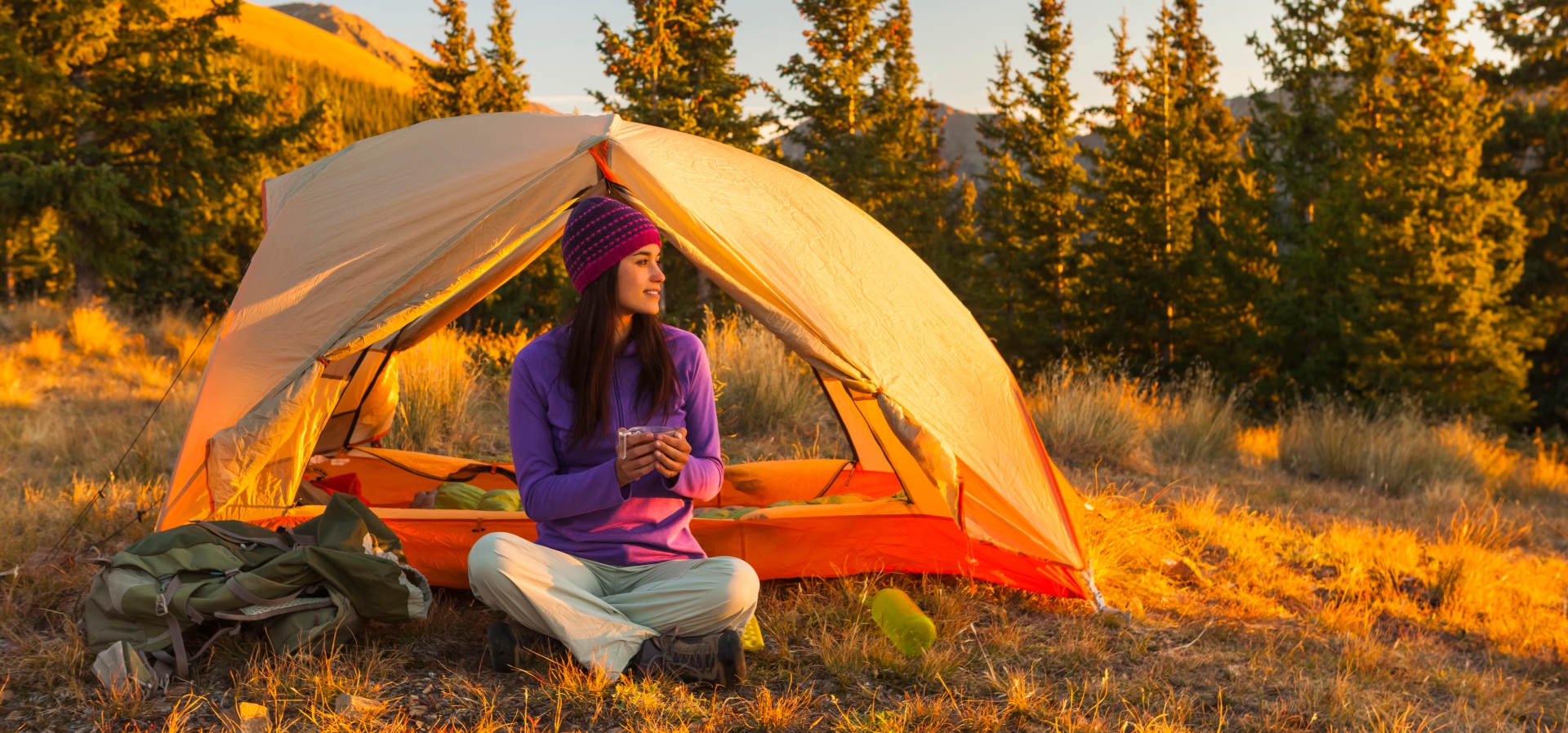
Your tent is your home base in the outdoors, so choosing the right one is a core part of camping safety. Unless you fancy sleeping exposed to the weather, you need shelter that fits your trip. Use these factors to narrow the field.
Size. Match capacity to your group, then size up. A tent’s stated rating is snug, so buying one rated for more people gives you room for gear. Many outdoor shops will pitch a model in-store so you can judge for yourself.
Comfort. Check the peak height first. Can you sit up, or even stand? Also look for solid ventilation and mesh panels, because they cut condensation and keep things bearable on hot afternoons.
Weather rating. Get a tent built for the worst conditions you realistically expect. A 3-season tent covers most spring, summer, and fall trips. For high winds, heavy snow, or winter camping, step up to a sturdier 4-season design instead. Above all, prioritize a quality rainfly, sealed seams, and a waterproof floor.
Weight. If you plan to hike to your site, every ounce counts. Compare packed weights carefully, since some pricier large tents actually weigh less than cheaper small ones. Easy packing and carrying matter too.
Ease of setup. Newer campers should favor simple, fast-pitching designs. Some go up in under ten minutes, which is a lifesaver when you arrive at dusk. Practice pitching your tent once at home before the trip.
Price and warranty. Pricier tents usually buy you durability and better weather protection. Still, deals exist, so watch for end-of-season sales. Finally, a brand with a strong warranty stretches the value of your money.
What to Wear Camping
The right clothing is not about looking the part. Instead, it keeps you comfortable and helps you avoid real dangers like hypothermia and heat exhaustion. Smart layering also lets you adapt as the temperature swings between midday and midnight.
Base layer. This sits against your skin. Resist the urge to wear cotton, because it traps sweat and then chills you fast once it is damp. Choose synthetics like polyester, or merino wool, for their moisture-wicking warmth.
Mid and camp layers. Bring a designated set of camp clothes. Durable pants or shorts that you do not mind dirtying near the fire work best. In addition, pack extra clothing and underwear so you can change out of anything wet.
Insulation and rain shell. Add an insulating layer, such as fleece or a puffy, for cold evenings. Never leave the rain jacket at home, either. A good shell keeps you warm and dry, and it protects your pack as well.
Hat. A brimmed hat shields your face from sun and rain alike. Water-repellent hiking hats also keep your head warm and dry in a downpour.
Footwear and socks. The right boots or trail shoes prevent blisters and aching feet. Pick a durable, comfortable pair suited to your terrain, and break them in before the trip. Then pair them with wool or synthetic socks that wick moisture, and skip cotton here as well.
Wildlife and Animal Safety Tips
Spotting a deer can be a highlight, yet it can also mean a predator is nearby. Good wildlife safety therefore starts with avoiding encounters in the first place. If your site sees frequent animal activity, plan around it, and never assume you know the area better than you do.
Research the wildlife. First, find out which animals live where you are headed and how common encounters are. Beginners may prefer a site with low animal activity, or the company of someone experienced. Established campgrounds and state parks are generally the safest bet.
Camp away from animal corridors. Water draws wildlife just as it draws people. As a result, a lakeside spot can become a busy animal highway after dark. Camp near water for convenience, but not right on top of it.
Store food and scented items properly. Bears especially can smell food from a distance and will happily investigate. So seal leftovers, use a bear canister or a proper food hang, and pack out all trash. Never keep food inside your tent.
Skip the scented products. Colognes, scented deodorants, lotions, and soaps can attract wild animals too. Keep them to a minimum, and store them with your food, away from where you sleep.
Know how to react. Learn the right response for local species before you go, because bear behavior differs by type. Generally, do not run, make yourself known, and give animals plenty of space. Above all, keep wildlife wild by never feeding it.
Campfire Safety Tips
A campfire is half the magic of camping, but it is also one of the fastest ways to start a disaster. This risk climbs in dry summer conditions, so keep these fire safety rules front of mind.
Look up and around. Before you build anything, choose a spot clear of bushes, dry grass, and low branches. Then keep an open area of roughly 8 to 10 feet around the fire.
Check for fire bans first. During dry spells, many areas ban open fires entirely. Therefore, always confirm current restrictions before you strike a match, and respect them.
Use or build a safe pit. Use established fire rings wherever they exist. If you must build one, clear all debris down to bare soil and ring it with rocks to contain the flames.
Keep control tools ready. Wind can flare a fire fast. For that reason, keep a bucket of water or dirt and a shovel within arm’s reach the entire time.
Never leave it unattended. Watch the fire constantly and keep it modest and manageable. Never use flammable liquids to start or feed it, either.
Drown it before bed. Put the fire out completely. Douse it with water, stir the ashes, and douse again until the coals are cold to the touch. Remember, if it is too hot to touch, it is too hot to leave.
How to Plan for Emergencies
Even careful campers hit surprises, so a little planning turns a scare into a story. Cover these bases before you head out.
- Leave a trip plan. Tell someone reliable where you are going, your route, and your return time. Also agree on what they should do if you fail to check in.
- Check the forecast, then prepare for worse. Backcountry weather changes fast. Consequently, you should pack for conditions colder and wetter than predicted.
- Carry the Ten Essentials. These are navigation, sun protection, insulation, illumination, first aid, fire, tools, nutrition, hydration, and emergency shelter.
- Know your exit. Identify the nearest road, ranger station, or trailhead. In addition, keep emergency numbers written down, since your phone may die.
- Watch for hypothermia and heat illness. Learn the early warning signs of both, and address them immediately.
Leave No Trace Camping
Safety and stewardship go hand in hand. Following Leave No Trace principles protects the places you love and the people who follow you. In practice, that means planning ahead, camping on durable surfaces, packing out everything you pack in, disposing of waste properly, leaving what you find, minimizing fire impact, respecting wildlife, and staying considerate of others. Better still, a clean camp is a safer camp, because it attracts fewer animals and leaves less to trip over in the dark.
Frequently Asked Questions
What are the most important camping safety tips for beginners? Choose a well-researched, level campsite, and pack the essentials, including navigation, first aid, lighting, and water purification. Then store food away from your tent, and put your fire dead out before you sleep. Finally, tell someone your trip plan.
How do I keep animals away from my campsite? Store all food and scented items in a sealed, bear-proof container or a proper food hang. Also keep your camp clean, avoid scented toiletries, and never eat or store food in your tent.
Is it safe to drink water from a stream while camping? No, not without treating it first. Even clear water can carry pathogens. Therefore, boil, filter, chemically treat, or UV-purify all natural water before you drink it.
Do I really need to fully extinguish a small campfire? Yes, always. Even a few hidden embers can reignite and spread. So douse, stir, and douse again until the ashes feel cold to the touch.
Final Thoughts
Camping is one of the best ways to experience the outdoors, and the magic depends on planning. Choose your site wisely, pack the essentials, and dress for the conditions. Then respect the wildlife, handle fire responsibly, and keep a plan for when things go sideways. Do that, and you set yourself up for a trip that is fun, comfortable, and safe.
These camping safety tips should put you on the right track. Do you have a favorite safety habit we missed? Share it in the comments, because your tip might just save someone else’s trip.

Daniel is a gear freak when it comes to hiking, climbing and camping. He went to REI Outdoor School to meet new people and learn best practices. Don’t even try to argue with him about the latest backpack or ice axe, he tried most of them. Daniel’s dream is to climb Mount Everest.
I’ll be tent camping without a car next week and my plan is to lock our tents upon leaving our site. Still, I strongly recommend to befriend your neighbors and make a pact to look out for each another’s stuff. Sometimes, I think it would also be nice to try camping all by yourself. I’ve met a lot of solo backpackers, but the overwhelming majority are male. But, being alone in the wilderness is a greater risk, so I have to rethink.
Hi Molly! Camping with friends or family is always a good option. You get to bond and it really does strengthen ties and relationships. It’s always a wise move to go with a buddy – that goes for both men and women.
I was wondering what to look for in brands of camping gear. I found what they must have here. I was overwhelmed with the range of choices in stores for outdoor needs. There are also items available online. I haven’t considered camping alone although I feel it’s adventurous to do so. I love campfires with my buddies so I’d stick with that for now.
When I was starting out, my Dad told me to not skimp on quality gear, go for trusted brands that have been in the market for years and invest on these things. Going camping is enjoyable but you have to be prepared for anything. And making sure you have durable equipment is a start.