
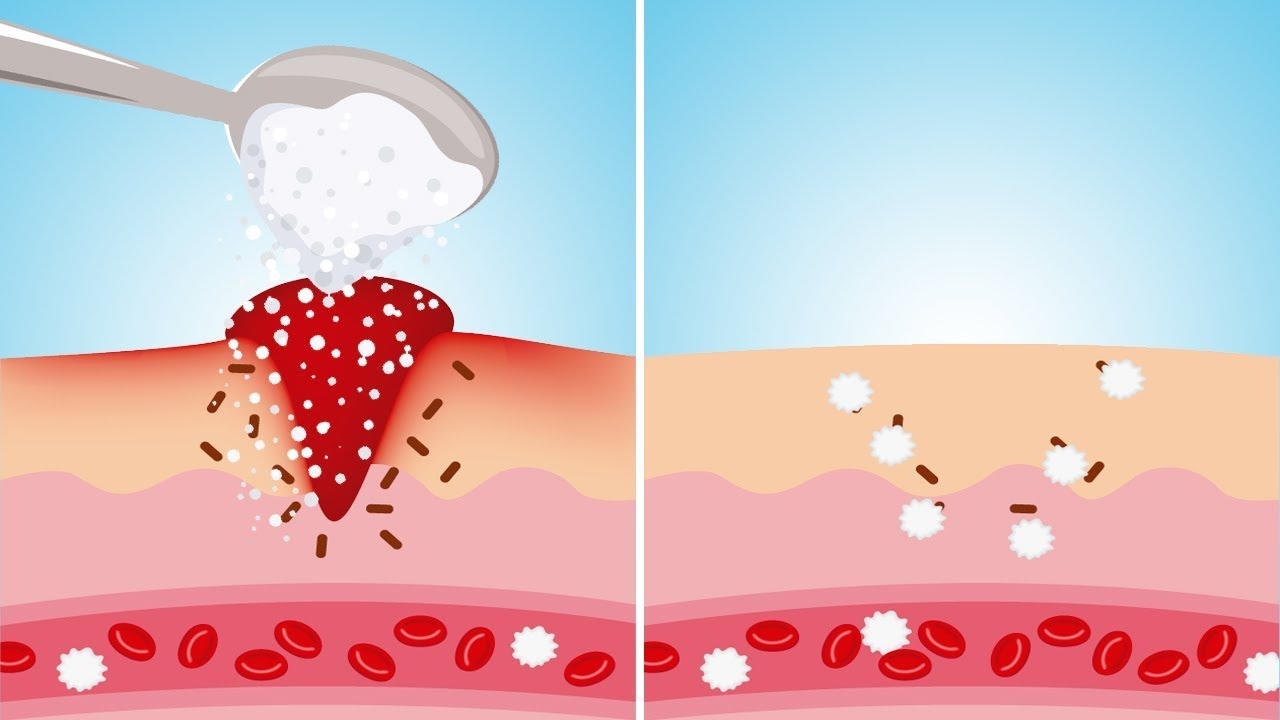
Treating wounds with sugar is a surprisingly effective, low-tech way to clean a minor injury and help stop it from getting infected, and it’s a genuinely useful trick to know for small cuts and scrapes when you’re far from a pharmacy. Sugar draws moisture out of the wound, which creates a dry environment where bacteria struggle to survive.
Your chances of getting a minor injury go up considerably any time you’re outdoors, and most of the time all you need is a quick, clean fix. Scrapes from bushes and small cuts from a slip or a fall are common on the trail, and they’re rarely life-threatening on their own. Left untreated, though, they can still turn into a real problem.
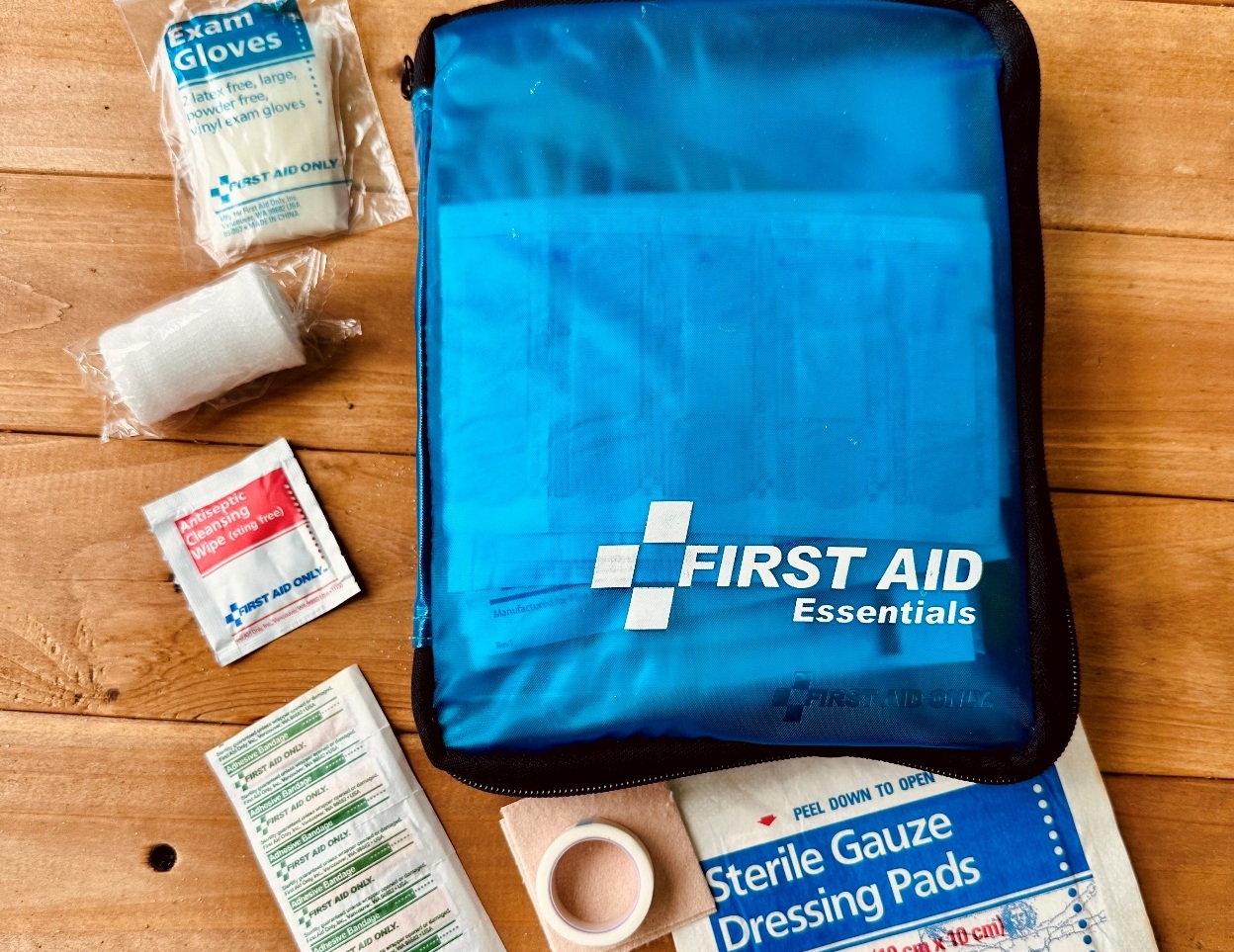
If you don’t have antibiotics or antiseptic ointment on hand, sugar is one of the better backup options. See our complete camping first aid kit guide for what else you should be carrying alongside it. Sugar is easy to have in your pack anyway, since most people already bring it for coffee or tea, so it pulls double duty without adding weight.
Here’s everything you need to know about using it to treat a wound in the field. A quick note before we start: this technique is genuinely backed by clinical research (more on that below), but it’s best treated as a field first-aid method for minor to moderate wounds, not a substitute for proper medical care. We’ll cover exactly when you should skip the sugar and get real treatment instead.
Editors note : Article was updated July 2026.
How to Treat a Wound With Sugar
First, gather everything you need and set it down in a dry, clean spot, so you’re not scrambling mid-treatment and the sugar doesn’t get dirty or wet before you use it. Wash your hands thoroughly before you start, then follow the steps below.
What You’ll Need
- Sugar (plain granulated is fine)
- Soap and clean water
- Povidone-iodine solution, if you have it (not required, but helpful)
- Gauze or a bandage
- Tape, to secure the bandage
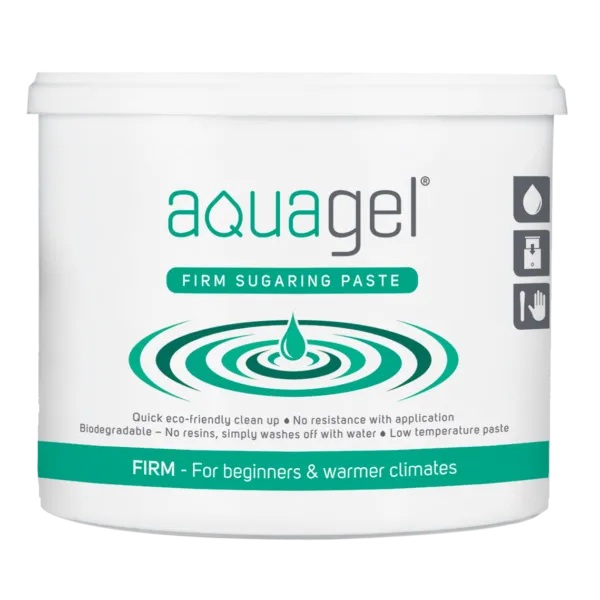
Honey works well alongside sugar and can make for a better-adhering wound cover. Glycerin is another option that can be combined with sugar for the same purpose.
Step-by-Step Instructions
Follow these steps in order, because skipping ahead can undercut how well this actually works.
Step 1: Clean the wound.
Pour clean water gently over the area until visible dirt and debris are washed away, then wash thoroughly with soap. Make sure no dirt, grit, or other foreign material is left in the wound, and carefully remove anything embedded if you can do so safely.
Step 2: Dry the wound.
Pat it dry with a clean, soft cloth using gentle dabbing motions, and don’t rub, since that can cause further irritation. Make sure it’s fully dry before moving on.
Step 3: Apply the sugar.
First, confirm the wound isn’t actively bleeding (see the note on bleeding below if it is). Then choose the method that fits your situation:
- For shallow wounds, or if you don’t have honey on hand, you can pour sugar granules directly onto the wound, making sure it actually reaches inside the injury.
- For bigger or deeper wounds, or if loose granules won’t stay put, mix sugar with honey to form a paste, which stays in place and keeps working longer.
- If you have glycerin, mix two tablespoons of sugar with an equal amount of glycerin for a similar effect.
Step 4: Bandage it.
Wrap a bandage around the wound and secure it with tape. This holds the sugar in place and keeps the area protected from dirt and further damage. Keep the bandage snug but not tight, because overly tight wrapping can restrict blood flow to the area and actually slow healing. Very small, shallow, linear cuts that aren’t gaping open don’t necessarily need a bandage at all.
Puncture wounds are a special case, since they carry a higher risk of trapping bacteria deep in the tissue, so it’s worth cleaning them thoroughly and watching closely for signs of infection. If a puncture is deep, from a dirty object, or from an animal bite, it’s genuinely worth having a professional take a look rather than treating it solely with sugar in the field.
Step 5: Change the bandage daily.
When it’s time to remove it, do so gently rather than ripping it off. A slow, careful peel (moistening the bandage first if it’s stuck) causes far less pain and disruption to the healing tissue than a quick pull. Reapply fresh sugar or sugar paste, then rebandage.
Step 6: Repeat daily.
Until the wound has healed. Full healing time varies with the size and depth of the wound, but many people notice reduced pain, swelling, and throbbing within the first several hours of starting treatment.
How to Make a Sugar Paste for Wounds
Mix sugar and honey in equal parts to make a paste that covers a wound more securely than loose granules, and the same works with glycerin instead of honey. The paste holds the sugar in place against the wound and keeps the surrounding area dry, which denies bacteria the moisture they need to survive.
What Kind of Wounds Does Sugar Work On?
Sugar has genuine value for everyday scrapes and small cuts, and clinical studies have also explored its use on larger, more serious wounds under professional supervision, including post-surgical wounds and pressure sores (bed sores) in hospital settings. That’s a meaningfully different context from self-treating a large or deep wound alone in the backcountry, though, so treat the research as encouraging rather than as a green light to handle anything and everything with a sugar packet.
As a general rule, minor cuts, scrapes, and blisters are a great fit for this method. Anything deep, gaping, heavily bleeding, or showing signs of serious infection needs real medical evaluation. Sugar can be a helpful stopgap on the way to care, but it isn’t a replacement for it.
The Research Behind It
Using sugar to treat wounds isn’t a new idea, and it dates back centuries, with early documented use as far back as the 17th century. It has seen renewed interest thanks to Moses Murandu, a senior lecturer in nursing at the University of Wolverhampton, who grew up watching his father treat wounds with sugar in Zimbabwe and later brought the practice into clinical research in the UK.
Murandu’s lab studies found that granulated sugar has real antimicrobial activity against a range of bacteria, and his pilot clinical studies, along with a growing number of case reports globally, have shown positive results treating wounds, including some resistant to antibiotics.
It’s worth noting, though, that a broader systematic review of the existing evidence found the current research isn’t yet robust enough to support sugar dressings as a routine, first-line treatment in modern clinical settings. In other words, the early results are genuinely promising, and it clearly has a real mechanism of action, but it’s still considered a complementary or backup approach rather than a proven replacement for standard wound care.
How Does Sugar Work on Wounds?
In the outdoors especially, wounds are prone to infection simply because the environment around you isn’t sterile. Bacteria need moisture to survive and multiply, and sugar is highly effective at drawing water out of a wound. Once the area dries out, it becomes a much harder environment for bacteria to thrive in. That drying effect helps disinfect the wound and can speed up healing.
Sugar is also thought to draw macrophages, the immune cells responsible for fighting off bacteria and other pathogens, toward the wound site, which adds another layer of benefit beyond the simple moisture-control effect.
Pros and Cons of Using Sugar for Wound Healing
Like most backcountry remedies, this one comes with real upsides and a few genuine downsides worth knowing in advance. Pros:
- If you’re camping or hiking, there’s a good chance you’re already carrying sugar, so there’s no need to pack anything extra.
- It’s lightweight and takes up almost no space.
- It’s easy to carry in small resealable bags or pre-portioned sachets.
- Being a natural substance, allergic reactions are very unlikely.
- It’s genuinely effective across a range of minor-to-moderate wound types and severities.
- It can help on wounds that are already infected, since it works against bacterial survival.
- It works well on weeping wounds, since it actively draws moisture away.
- Many people notice reduced pain and swelling fairly soon after application.
- It’s simple to use, with no special training required.
- It’s inexpensive compared to buying dedicated wound-care creams or ointments.
- Both sugar and honey can help wounds contract and close faster.
Cons:
- If stored in a Ziploc-style bag, granules can jam the seal and make the bag hard to reopen.
- You still need to carry bandages to hold the sugar in place, or it will simply fall out of the wound.
- A sugar-honey paste can stick to the bandage, making removal trickier, so moisten it first and remove it gently rather than yanking it off.
- Sugar can attract flies, particularly in hot, humid, or tropical conditions, and flies can introduce their own bacteria to an open wound, so keep it covered and protected.
- Some people experience mild itching from sugar applied to a wound.
- Honey mixed with sugar can attract flies even more readily than sugar alone.
A Word of Caution
For sugar to be effective, it needs to be applied generously, because a light dusting won’t draw out enough moisture to make a real difference and may do little to nothing for the wound. Make sure the entire wound surface is well coated before bandaging.
When to Skip the Sugar and Seek Real Medical Care
Sugar is a solid field first-aid tool, but it isn’t a substitute for professional treatment when a wound is serious. Get proper medical attention rather than relying on sugar alone if you’re dealing with any of the following:
- Deep or gaping wounds, or ones that may need stitches
- Bleeding that doesn’t stop with direct pressure
- Puncture wounds, especially from dirty or rusty objects, or animal bites
- Signs of a spreading infection, such as increasing redness, warmth, swelling, pus, red streaking, or fever
- Wounds on someone with diabetes or a compromised immune system
- Uncertain tetanus vaccination status, particularly with dirty or puncture wounds
Frequently Asked Questions
Is putting sugar on a wound good?
Yes, for minor to moderate wounds. Sugar helps seal the injury off from moisture. Since bacteria can’t survive well in a dry environment, this helps disinfect the wound and support healing. Mixing it with honey creates a stickier, longer-lasting paste that holds up even better.
Is sugar a natural antibiotic?
Not exactly. Sugar isn’t an antibiotic itself, but it creates conditions that are hostile to bacteria, which can make antibiotics more effective when they’re used together. Keeping the wound dry limits bacterial spread, effectively doing some of the work before antibiotics even enter the picture.
Does sugar stop a wound from bleeding?
No. Sugar doesn’t stop bleeding, and its role is preventing infection after the bleeding has already been controlled. Stop any active bleeding first by applying firm, direct pressure. Only once it has stopped should you clean the wound and apply sugar following the steps above.
How long does it take for sugar to heal a wound?
Healing time depends on the size and depth of the wound, but many people notice less pain and swelling within the first several hours. Change the dressing and reapply sugar daily until the wound closes, and seek medical care if it isn’t improving or shows signs of infection.
Wrap Up
Packing for an outdoor trip always means balancing a mountain of “just in case” supplies. Against limited space in your bag. Sugar, for all its downsides when eaten in excess. It turns out to be a genuinely useful ally when applied to minor wounds and injuries out on the trail. Now that you know how to use sugar to treat a wound properly. Just as importantly, when to skip it and get real medical help instead. You’re better prepared for the inevitable cuts and scrapes that come with spending real time outdoors.
It’s worth pairing this knowledge with a properly stocked camping first aid kit so you’re never caught without the basics. This article is for educational purposes and isn’t a substitute for professional medical advice. If you’re dealing with a serious wound or have any doubts about how to treat an injury. Seek care from a qualified medical professional.


Thank you for this Jerry! I never knew about this one. I love camping and hiking and I usually have a first aid kit with me, but this is something that will be helpful in case of emergency. I will definitely take some sugar with me on my next trip.
I was quite surprised that sugar also works well for large wounds and injuries. I really thought it can only be used for small cuts and scrapes. If doctors use it for bed sores and post-operative wounds then it must really be effective. I will put a cup of sugar in my first aid kit for sure.
Many people bring sugar for their coffee but it definitely has other uses!
Absolutely! Bring enough for your coffee too!
I used similar technique. From an African doctor working in a Birmingham NHS hospital. At the time the following treatment was not allowed in his hospital (much to his surprise), but this was about 6 years ago.
Basically the same as above but with vegetable glycerine. Mix the sugar and glycerine into a paste and apply and cover. That’s it. The glycerine is also hydroscopic (like sugar) and when I applied it to my month old wound on my lower leg, I saw results after 24 hours and very obviously a done deal after day 3. Previously my GP had had applied an antibiotic cream and bandage, but this kept the wound wet and there was no sign of improvement, with talk of surgical stockings being needed (or worse as the site of the wound is a tricky area to heal, being so low down).
Just had our dog at the vet for a huge cyst that had ruptured and before we got in, the wound had become infected. The cyst had a strong nauseating odor. The vet cleaned the wound and then scheduled the dog for surgery two days later.
We were to flush the wound and then pack regular granular sugar in the wound 2x a day. This cleaned and dried out the wound. No odor and the wound dried out and was pink and there was no more drainage. She’s ready for her surgery and is in no more pain. We learned something new about the use of sugar.