
Water is absorbed fast. On an empty stomach it can begin reaching your bloodstream within about 5 minutes, and most of it is absorbed within 20 minutes to 2 hours, depending on whether you’ve eaten. The bulk of that absorption happens in your small intestine, not the stomach, so the quickest way to rehydrate is to drink water on an empty stomach before a meal.
You probably toss a bottle or two of water in your pack before a hike without thinking much about what happens next. But understanding how your body absorbs water, how long it takes, and how to make wild water safe to drink helps you stay properly hydrated and avoid getting sick on the trail.
A small amount of water is absorbed through the stomach lining as soon as you take your first sip, but the real work happens further down. Water moves from your stomach into your small intestine, where the vast majority is absorbed into your bloodstream. Your large intestine then reclaims most of the remaining water before waste is expelled. How quickly this whole process runs depends heavily on one thing, which is whether your stomach is empty or full.
Why a Full or Empty Stomach Changes Everything
If you drink water on an empty stomach, it passes through quickly. Within about 5 minutes much of it moves out of the stomach and into the small intestine, where it’s absorbed into the bloodstream, so you rehydrate quickly and efficiently.
If you’ve been hiking hard with an elevated heart rate and core temperature, cold water may be absorbed slightly faster. The leading explanation is that cool water helps bring your internal temperature back toward its normal range of around 98.6°F (37°C), which supports circulation and absorption.
If you drink while eating, the picture changes. With food in your stomach, it can take 45 minutes or more for water to pass through, because your stomach prioritizes breaking down the meal first. The water essentially waits its turn.
On average, then, it takes anywhere from about 5 minutes to 2 hours for water to be fully absorbed into your bloodstream. So if it’s a hot day and you’ve fallen behind on fluids, the fastest way to catch up is to drink before you eat, not with your meal.
This is also why the little-and-often approach works so well on the trail. Steady sips keep absorption constant and hydration stable. Your lunchtime drink still counts toward your daily fluids, but it won’t rehydrate you as fast, so that one can happily be a juice or lemonade for variety while your real hydration happens between meals.
How to Stay Hydrated While Hiking
You normally need around a liter of water a day at rest, but that rises sharply once you’re hiking or doing anything that raises your heart rate and makes you sweat. These habits keep you topped up throughout a hike.
- Before you set off, drink one or two cups of water, juice, or an electrolyte sports drink so you start hydrated.
- Limit caffeinated drinks like coffee, tea, and cola, since they have a mild diuretic effect and can work against you.
- Use a hydration bladder or Camelbak so you can sip on the move, and carry a bottle as well for longer drinks at rest stops.
- Drink at least a quart of fluid per hour when it’s hot or you’re sweating heavily.
- Add an electrolyte drink to retain fluids and boost energy, but don’t replace plain water with it entirely.
- Keep drinking after you finish to replace the fluids you lost during the hike.
- Eat potassium- and sodium-rich foods such as bananas and citrus fruit to help your body hold onto the water you drink.
Know the Warning Signs of Dehydration
Learn to spot dehydration in yourself and your hiking partners before it becomes dangerous. The common early signs include:
- Weakness and unusual tiredness
- Excessive fatigue
- A rapid heart rate
- Small amounts of dark urine, or painful urination
- Dizziness or light-headedness
- A dry mouth and headache
Pushing on while dehydrated can lead to serious consequences, including heat stroke, muscle breakdown (rhabdomyolysis), and kidney damage. If you notice any of these signs, stop, rest in the shade, and drink steadily. When you set off again, return to drinking little and often rather than gulping a large amount all at once.
Why Staying Hydrated Matters So Much
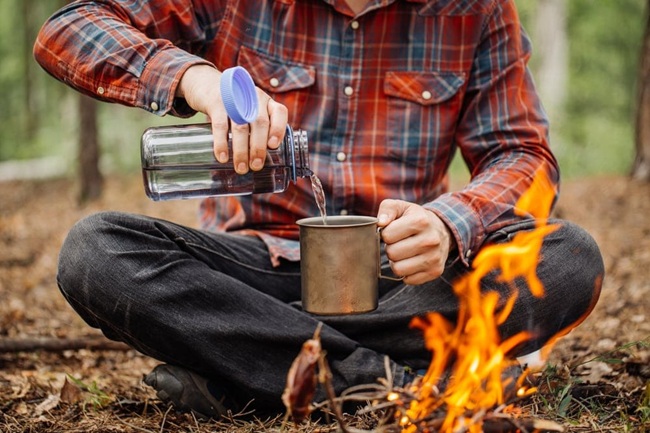
Water keeps every system in your body working, from your heart and brain to your muscles and joints. It carries nutrients to your cells, helps flush out waste and bacteria, regulates your temperature, and prevents constipation.
Your body can’t really stockpile water. It absorbs what it needs as you drink and expels the surplus as urine, which is exactly why drinking little and often beats occasional large volumes. Steady intake lets your body take up what it needs, when it needs it, instead of flushing away a sudden flood.
How Much Water Should You Drink?
A healthy adult should aim for roughly 1 to 1.5 liters of water a day at rest, spread throughout the day rather than consumed in one or two big hits. Steady sipping keeps your hydration level stable instead of spiking and crashing.
Expect to drink considerably more when hiking, because you’re burning more energy and losing fluid through sweat. If you’re confident you’re drinking enough but still feel thirsty, a couple of dietary factors can be quietly undermining your absorption.
Make Sure You’re Getting Enough Salt
Salt often gets a bad reputation, but you genuinely need some, especially if you exercise a lot and sweat out sodium. Your cells use salt to help retain water, so without enough of it your body struggles to stay hydrated even when you’re drinking plenty. Salt also helps your small intestine absorb nutrients and, crucially, water. This is the principle behind oral rehydration and electrolyte drinks, where a little sodium and sugar actively speed water uptake.
Eat Enough Fiber
Fiber helps hold water in your large intestine long enough for it to be absorbed steadily into the bloodstream. Without enough fiber, water moves through your gut too fast, so more of it is passed as urine and less is absorbed. A simple at-a-glance hydration check is your urine color, which should be the shade of pale straw. Anything darker is a sign you need to drink more.
Why Clean Drinking Water Matters on the Trail
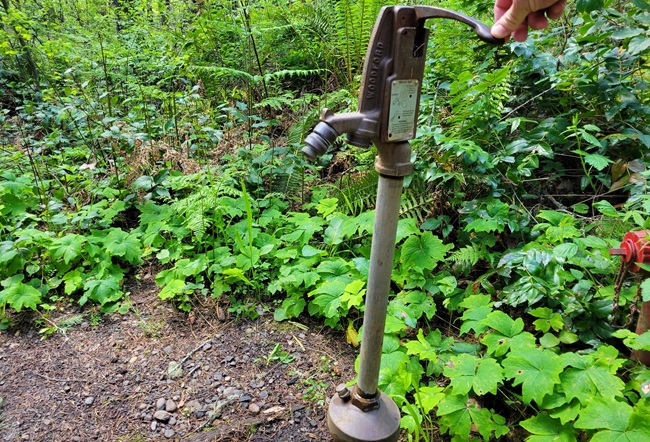
On a long hike you usually can’t carry all the water you’ll need, so you’ll likely refill from natural sources. The catch is that any water you add to your supply has to be made safe first.
See also: Does Boiling Water Purify It: Myths and Safe Practices
That crystal-clear mountain stream may look pristine, but you can assume it’s carrying bacteria, viruses, or parasites that can make you seriously ill. There could be an animal carcass upstream, feces along the bank, or runoff from someone washing dishes in the water. The only safe approach is to treat every wild water source as contaminated and purify it accordingly.
Waterborne Diseases and How to Remove Them Safely
Waterborne diseases come from drinking contaminated water, and the culprits fall into three groups: protozoa, bacteria, and viruses. The table below covers the most common ones and the treatment methods that actually work against each.
| Contaminant | Type | Potential health effects | Sources | Recommended removal | NOT recommended |
|---|---|---|---|---|---|
| Cryptosporidium | Protozoa | Gastrointestinal illness (diarrhea, vomiting, cramps) | Human and animal fecal waste | Boiling; filtration (1 micron or less); combined filtration and chlorine dioxide | Chlorine or iodine; chlorine dioxide alone |
| Giardia intestinalis (Giardia lamblia) | Protozoa | Gastrointestinal illness (diarrhea, vomiting, cramps) | Human and animal fecal waste | Boiling; filtration (1 micron or less); chlorine dioxide; combined filtration and chlorine dioxide | Chlorine or iodine |
| Campylobacter, Salmonella, Shigella, E. coli | Bacteria | Gastrointestinal illness (diarrhea, vomiting, cramps) | Human and animal fecal waste | Boiling; iodine or chlorine; chlorine dioxide; combined filtration and disinfection (0.3 micron or less); filtration (moderate effectiveness only) | — |
| Enterovirus, hepatitis A, norovirus, rotavirus | Viruses | Gastrointestinal illness, hepatitis, meningitis | Human and animal fecal waste | Boiling; iodine or chlorine; chlorine dioxide | Filtration |
As the table shows, boiling is the most effective all-around method and kills every type of pathogen. Bring water to a rolling boil for one minute, or for three minutes at altitudes above 2,000 meters (about 6,500 feet), where water boils at a lower temperature.
If you’d rather not carry a stove, the next best option is a two-step process of filtration followed by disinfection. Use a filter with a small enough pore size, meaning 1 micron or less for protozoa and 0.3 micron or less for bacteria, but remember that filtration does not remove viruses. After filtering, treat the water with a chemical disinfectant such as chlorine or iodine.
Keep in mind that a disinfectant’s effectiveness depends on contact time, dose, water temperature, cloudiness (turbidity), and pH. Cold, murky water needs more time and a stronger dose. Always follow the manufacturer’s instructions for your specific filter and disinfectant. If you want to build a backup, see our guide on how to make a DIY water filter.
One important safety note: water disinfected with iodine is not suitable for pregnant women, people with thyroid conditions, or anyone with an iodine sensitivity, and it shouldn’t be used continuously for more than a few weeks. For long trails, plan to carry an alternative disinfectant.
Still Thirsty No Matter How Much You Drink?
If you’re drinking enough water and getting adequate salt and fiber but still feel constantly thirsty, it’s worth seeing a healthcare professional. Persistent, unquenchable thirst can be a symptom of underlying conditions such as diabetes, so it shouldn’t be ignored.
The Best Way to Stay Properly Hydrated
Drink little and often, ideally before you feel thirsty, since thirst is already an early sign of mild dehydration. If plain water bores you, add slices of lemon, cucumber, or a few mint leaves, and consider a bottle with a built-in infuser compartment. You can also read our tips on choosing the best electrolyte supplement for proper hydration.
Treat all water from rivers and streams without exception. Decide on your treatment method in advance, and if you’re filtering then disinfecting, know your equipment’s instructions cold. If you hike regularly with a partner, carry more than one treatment method between you, because accidents happen. Stoves run out of fuel, disinfectant bottles leak, and filters tear, and you never want to be thirsty with no safe way to treat water.
Finally, think about timing. Since most water is absorbed within two hours, have a good drink before you set off, ideally on an empty stomach so it’s absorbed quickly. Do that, treat your water properly, and you give your body the best chance to stay safely hydrated all day on the trail.
Frequently Asked Questions
How long does it take for water to be absorbed by the body?
On an empty stomach, water starts reaching your bloodstream within about 5 minutes and is largely absorbed within 20 minutes to 2 hours. If you drink with a meal, absorption slows to 45 minutes or more because your stomach digests food first.
Where is most water absorbed in the body?
The small intestine absorbs the large majority of the water you drink, around 80 to 90%. The large intestine reclaims most of what’s left before waste is expelled. Only a small amount is absorbed directly through the stomach.
Does drinking water on an empty stomach hydrate you faster?
Yes. With no food to digest, water passes quickly from your stomach into the small intestine and into your bloodstream. That’s why drinking before a meal is the fastest way to rehydrate when you’re behind on fluids.
How much water should you drink while hiking?
Plan for at least a quart (roughly a liter) per hour in hot weather or during strenuous, sweaty activity, and more as conditions demand. Drink steadily rather than all at once, and pair it with electrolytes and potassium-rich foods on longer or hotter days.
Can you drink straight from a stream while hiking?
No. Even clear-looking water can carry Giardia, Cryptosporidium, bacteria, and viruses. Always treat wild water by boiling, filtering plus disinfecting, or using chlorine dioxide before you drink it.
Why am I still thirsty after drinking lots of water?
You may be low on salt or fiber, both of which help your body absorb and retain water. If you’ve addressed those and still feel constant thirst, see a doctor, since persistent thirst can signal conditions like diabetes.
Final Thoughts
Understanding how your body absorbs water takes the guesswork out of staying hydrated on the trail. Drink little and often, favor an empty stomach when you need to rehydrate fast, watch for the warning signs of dehydration, and support your body with enough salt and fiber.
Just as importantly, never drink untreated wild water. Pick a reliable treatment method, carry a backup, and follow the instructions for your gear. Do all of this and you give your body the best possible chance to stay well hydrated and healthy on every trip.
If we’ve missed your preferred water-treatment method or you have a great hydration tip, share it in the comments below.


Thank you so much Jerry for listing the signs of dehydration. I had a friend who was already on the brink of fainting during one of her hikes because of this. All of her companions did not notice the warning signs. It is really important to know what to do in cases like this.
We agree!
Your list on how to stay hydrated is awesome. I will surely take note of it all. I have never heard about limiting caffeinated drinks though. I really love coffee and I even bring a couple of sachets when I hike, but now, maybe I will try to cut it of.
Thanks for commenting!
Most people get dehydrated or overhydrated simply because they don’t know the importance of water to the human body, and the effects of drinking too much water. The info should enlighten you.
Hiking in a dehydrated state is definitely a bad idea, which can result to kidney failure, muscle breakdown, and heat stroke. Such are the kinds of things you can learn from this article. Remember to bookmark this page for reference.